







What's Happening?
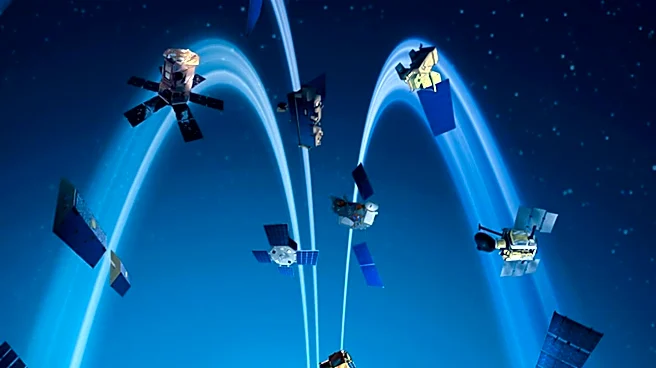
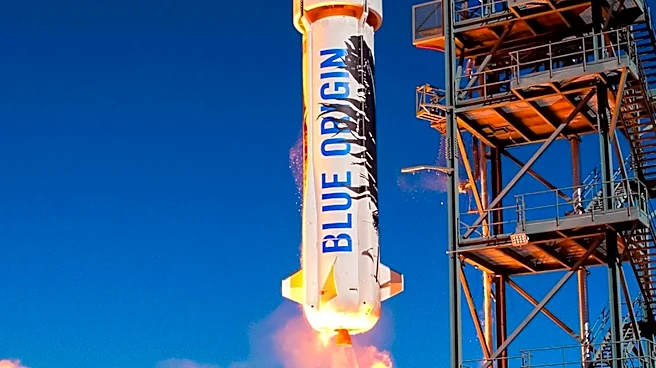
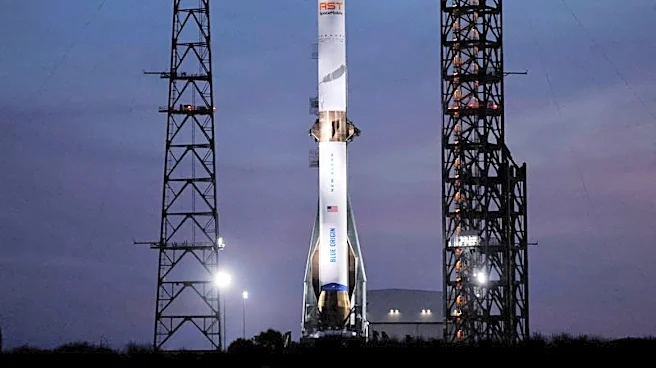
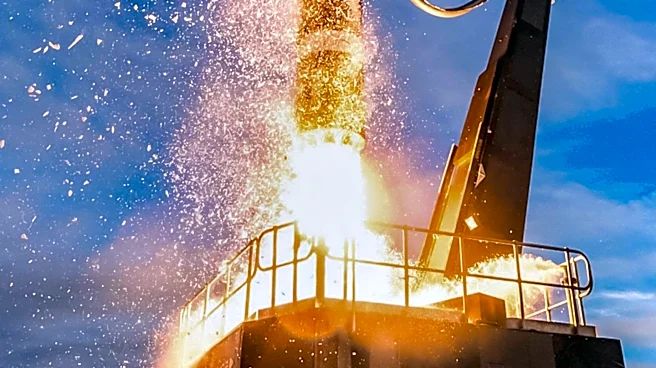
AST SpaceMobile, the Midland, Texas-based operator of the Bluebird direct-to-cell constellation, announced on Friday, November 6, 2026, its plans to develop and build its own reusable heavy-lift orbital rocket, named Blacklift. This initiative is supported
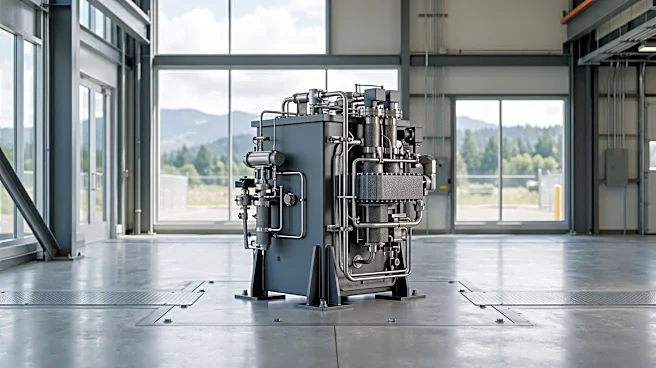
by an engine agreement with Firefly Aerospace, valued at under $1.3 billion. The company intends to construct the rocket in-house and aims for its first launch in 2028, primarily to deploy its broadband satellites. This strategic move is designed to integrate launch capabilities into AST SpaceMobile's operations, complementing its existing BlueBird manufacturing. The decision to develop Blacklift is seen as a measure to reduce reliance on external launch providers, particularly SpaceX, which is both a leading launch service and a direct competitor in the direct-to-cell market through Starlink Mobile. The company's goal is to achieve full vertical integration, extending its control from satellite design and manufacturing to the launch phase.
Why It's Important?
This development is significant for the U.S. space industry and the direct-to-device sector. By developing its own launch capability, AST SpaceMobile aims to mitigate commercial and schedule risks associated with relying on a competitor like SpaceX for launches. This includes potential issues with priority conflicts, pricing leverage, and information exposure. For the direct-to-device constellation market, where satellites are large and require heavy-lift capacity, controlling launch cadence can be a substantial advantage. It allows companies to align deployment schedules with spectrum and regulatory milestones more effectively. The engine agreement with Firefly Aerospace also highlights the increasing value and scarcity of propulsion technology in the launch chain, benefiting specialized engine suppliers. If successful, Blacklift could provide AST SpaceMobile with a durable structural advantage, potentially altering the competitive landscape for satellite broadband services and the broader launch market by removing demand from merchant launch providers.
What's Next?
Several key markers will determine the future of the Blacklift program. AST SpaceMobile is expected to disclose more specific details regarding the vehicle's specifications, engine types, and planned launch sites. The next critical steps will involve hardware milestones, such as engine test firings, tank qualification, and the development of stage-level test articles. Regulatory progress, including environmental reviews and obtaining an FAA launch license, will also be crucial, though these processes often take longer than initially anticipated. Industry observers anticipate that AST SpaceMobile will continue to utilize existing launch providers for several years, as a 2028 debut would be followed by a flight-test campaign before operational satellites can be launched at scale. Therefore, this announcement serves as a strategic commitment and a signal of future intent rather than an immediate shift in launch supply. Over the long term, if more constellation owners develop their own launchers, the merchant launch market could see a reduction in demand from large commercial customers.
Beyond the Headlines
The decision by AST SpaceMobile to develop its own heavy-lift rocket signifies a broader trend towards vertical integration within the space industry, mirroring strategies employed by companies like Amazon's Project Kuiper and SpaceX's Starlink. This move transforms a satellite operator's capital intensity and risk profile, as rocket development involves substantial costs, potential test failures, and lengthy certification timelines that differ significantly from satellite manufacturing. The success of Blacklift could influence how government and defense customers view assured access to space, as a new domestic heavy-lift vehicle, even a captive one, enhances national launch capabilities. Furthermore, the military utility of direct-to-device constellations, coupled with an independent launch system, could reduce exposure to single-supplier dependencies for critical space assets. This strategic shift underscores the evolving nature of space commerce, where control over the entire value chain, from manufacturing to launch, is becoming a critical competitive differentiator.