





What's Happening?
State Senator Mike Halpin and Senate President Don Harmon are actively supporting the Joslin community in Illinois after the abrupt closure of Tyson Foods’ beef plant. The closure has impacted nearly 2,500 employees, leaving many facing an uncertain future.
In response, Illinois has deployed its workforce and economic development resources to assist affected individuals. This includes making resources available through the Invest in Illinois Fund to attract potential buyers for the facility. The state's objective is to return the plant to productive use, thereby supporting jobs and the Illinois beef industry, sustaining economic activity in the Quad Cities Region, and increasing beef production capacity. Earlier this month, a rapid response event was held in Moline, bringing together over 1,000 affected workers, employers, and workforce partners from both Illinois and Iowa. This event provided opportunities for workers to meet prospective employers, learn about available jobs, training programs, unemployment assistance, and other support services. Informational sessions were also offered with interpreters to accommodate various language needs.
Why It's Important?
The closure of a major facility like Tyson Foods' Joslin plant has significant economic and social repercussions for the affected community and the broader region. The loss of nearly 2,500 jobs creates immediate financial hardship for families and can lead to a downturn in local businesses that rely on the plant's employees. The state's swift mobilization of resources, including the Invest in Illinois Fund, demonstrates a proactive approach to mitigating these negative impacts. By seeking new buyers and offering support services, Illinois aims to prevent long-term economic stagnation and retain skilled labor within the state. This situation highlights the vulnerability of communities heavily dependent on a single large employer and the critical role of state intervention in economic recovery and diversification. The efforts to attract new businesses to the facility could set a precedent for how states respond to similar large-scale industrial closures, emphasizing job preservation and regional economic stability.
What's Next?
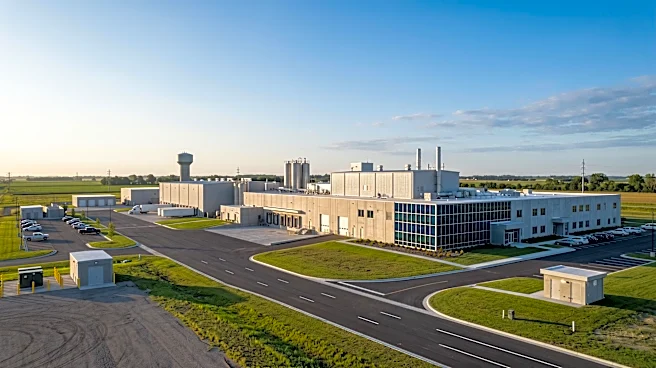
Illinois Senate Democrats plan to continue their support for workforce assistance in the Joslin community as the state engages with prospective buyers for the former Tyson Foods facility. The state's support is designed to strengthen its position in discussions with potential operators, aiming to facilitate a transition that could preserve jobs and economic opportunities in the Quad Cities Region and the Illinois beef industry. The Joslin plant, despite challenges in the beef industry, is considered a significant asset due to its large-scale infrastructure, experienced workforce, access to agricultural supply chains, and proximity to major transportation networks. These attributes could make it attractive for continued food production or other industrial activities under new ownership. The ongoing efforts will focus on securing a new employer to create good-paying jobs and bring greater economic stability back to the region, addressing the uncertainty faced by thousands of hardworking people and their families.
Beyond the Headlines
The closure of the Tyson Foods plant in Joslin, Illinois, underscores a broader trend of economic shifts in the U.S. manufacturing and agricultural sectors. While the immediate focus is on job displacement and economic recovery, the incident also highlights the need for communities to diversify their economic bases to reduce reliance on single industries or employers. The state's response, including rapid response events and efforts to attract new businesses, reflects a growing understanding of the interconnectedness of workforce development, economic stability, and community well-being. This situation could prompt discussions on policies that encourage industrial diversification, support for retraining programs, and incentives for businesses to invest in regions affected by plant closures. Furthermore, the emphasis on preserving the facility's infrastructure and leveraging its strategic location suggests a long-term vision for sustainable economic development, moving beyond immediate crisis management to foster resilient local economies.