




What's Happening?
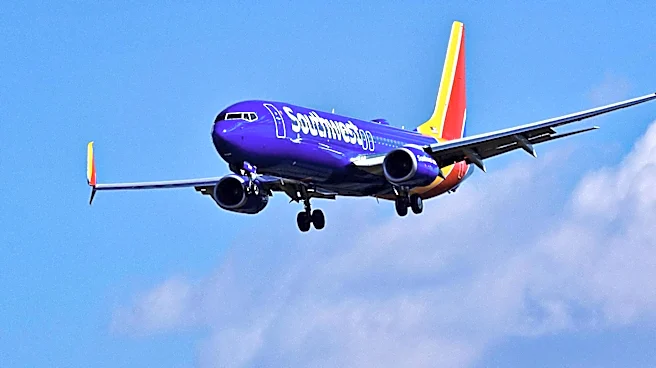
Southwest Airlines, once known for its unique customer-friendly policies, is now facing significant traveler complaints due to recent operational shifts. The airline has replaced its long-standing open-seating policy with assigned seating, a major change
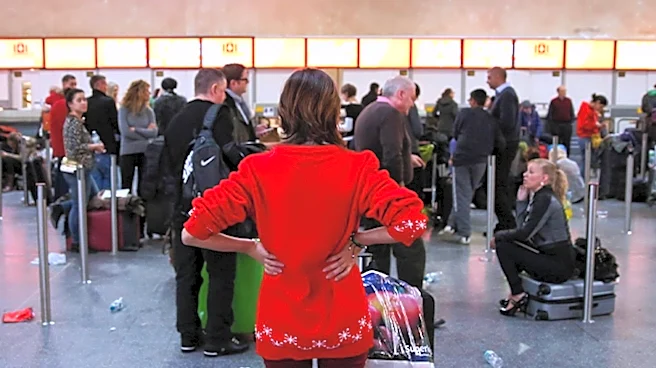
that has disgruntled many loyal customers. Furthermore, the popular 'Bags Fly Free' policy, a cornerstone of Southwest's marketing and customer appeal, has been largely eliminated, with most passengers now required to pay for checked luggage. These changes, along with the introduction of more restrictive 'Basic' fares that replaced the 'Wanna Get Away' options, have led to widespread dissatisfaction among travelers. The 'Basic' tier is described by Southwest itself as its most 'restrictive fare option,' imposing limitations reminiscent of ultra-low-cost carriers. These policy adjustments mark a significant departure from the airline's previous model, which emphasized flexibility and cost savings for passengers.
Why It's Important?
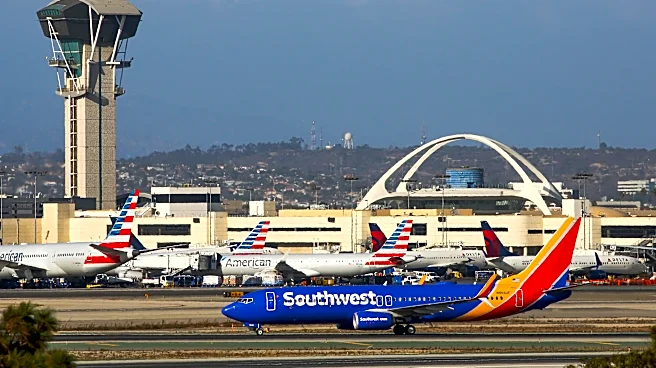
These policy changes by Southwest Airlines are significant because they erode the distinct competitive advantages that once set the airline apart in the U.S. domestic market. The 'Bags Fly Free' policy, in particular, was a major draw for customers, offering substantial savings compared to other major carriers. Its removal means Southwest is now more aligned with industry standards regarding baggage fees, potentially diminishing its unique value proposition. The shift to assigned seating also alters the passenger experience, moving away from the flexible boarding process that many Southwest loyalists appreciated. This could lead to a loss of customer loyalty and market share as travelers re-evaluate their airline choices based on these new cost structures and operational procedures. The changes reflect a broader trend in the airline industry where carriers seek to unbundle services and introduce new revenue streams, often at the expense of previously included benefits, impacting consumer expectations and travel budgets.
What's Next?
In the immediate future, Southwest Airlines will likely continue to navigate customer feedback and adapt its communication strategies regarding these new policies. The airline may face ongoing scrutiny from consumer advocacy groups and could see shifts in passenger booking patterns as travelers adjust to the new fare structures and seating arrangements. Competitors might leverage Southwest's policy changes in their marketing efforts, highlighting their own offerings or contrasting them with Southwest's new approach. Southwest will need to monitor customer satisfaction metrics closely to assess the long-term impact of these changes on its brand reputation and financial performance. There could also be internal adjustments as the airline adapts its operations to the assigned seating model and manages the logistics of increased baggage fee collections.
Beyond the Headlines
The policy shifts at Southwest Airlines highlight a broader evolution within the U.S. airline industry, where the line between full-service and budget carriers is becoming increasingly blurred. Southwest, traditionally seen as a hybrid offering value with unique perks, is now adopting practices common among its competitors. This trend suggests a market-wide move towards unbundling services, where passengers pay for each amenity individually, potentially leading to a more complex and less transparent pricing structure for consumers. The changes also raise questions about the future of customer loyalty in an industry where unique selling propositions are diminishing. As airlines increasingly standardize their offerings, factors like price, schedule, and route availability may become even more dominant in consumer decision-making, potentially reducing brand differentiation and increasing price sensitivity across the board.