




What's Happening?
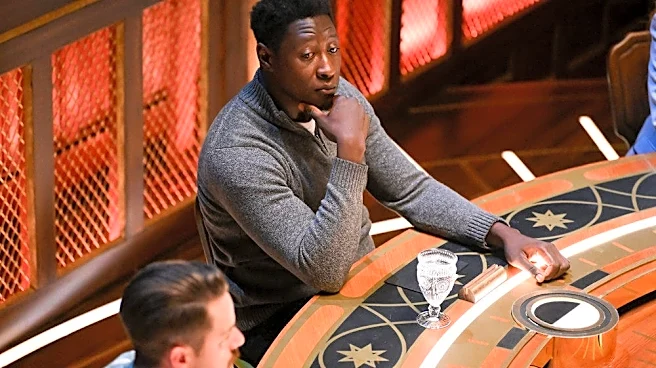
Ben McDonnell, a contestant on 'The Traitors: New Blood,' was murdered from the game despite building an impressive record as a Faithful, having voted against every Traitor by the time of his exit. McDonnell earned significant trust from his fellow players,
never receiving a vote at the roundtable, which ironically made him a target for the Traitors. In a post-exit interview with Pop Culturalist, McDonnell discussed his gameplay, expressing regret over not attempting to be recruited by Traitor Katie Fites. He believed that if he had approached her after banishing Joe, he could have offered to help her manage other players. McDonnell also reflected on the challenge of being a Faithful, where one must build trust without becoming too prominent, which can lead to being murdered. He noted that he wished he had created more suspicion around himself, similar to other players who initially drew heat but then faded into the background. McDonnell also touched upon the difficulty of playing the game without the full information available to viewers, emphasizing how different the experience is from watching it.
Why It's Important?
McDonnell's experience highlights the complex psychological and strategic dynamics inherent in social deduction games like 'The Traitors.' His clean gameplay, while effective in avoiding banishment, ultimately made him a prime target for elimination by the Traitors, illustrating a critical paradox for Faithful players: success in identifying Traitors can lead to one's own downfall. This dynamic underscores the importance of managing one's threat level and potentially employing counter-intuitive strategies, such as intentionally drawing suspicion, to survive. His reflections also offer insight into the emotional toll and unexpected personal connections formed during such intense competitions. The genuine friendships he developed, particularly with male contestants, challenged his preconceived notions and provided a healing experience, demonstrating how reality television can foster unexpected personal growth and social bonds beyond the game's competitive nature. This provides a deeper understanding of the human element within strategic gameplay.
What's Next?
Following his exit, Ben McDonnell will continue to engage with his audience through his podcast, 'It’s Ben a Week,' where he has already expanded on his experiences from 'The Traitors: New Blood.' Viewers can continue to stream the season on Peacock to see how the remaining contestants navigate the game's challenges and twists. McDonnell's insights may influence future contestants on similar reality competition shows, encouraging them to consider more nuanced strategies beyond simply playing a 'clean' game. His candid discussion about the emotional impact and the formation of genuine friendships could also shape how audiences perceive and engage with reality television, focusing more on the personal journeys of participants. The ongoing discussion around his gameplay, particularly his regret about not seeking recruitment, might spark further debate among fans and analysts about optimal strategies for Faithful players in 'The Traitors' format.
Beyond the Headlines
McDonnell's experience delves into the ethical and psychological complexities of reality television, particularly in games that blend strategy with social manipulation. His background as an actor provided him with unique insights into portraying a persona while simultaneously being his authentic self, highlighting the blurred lines between performance and reality in such environments. The challenge of hiding his acting career and podcast while playing the game underscores the constant vigilance required from contestants. Furthermore, his emotional revelation about never feeling like 'one of the boys' and the subsequent formation of genuine male friendships offers a powerful narrative about identity, acceptance, and breaking down personal barriers within an unexpected competitive setting. This aspect transcends typical game analysis, touching upon broader themes of social connection and self-discovery, demonstrating how reality TV can inadvertently become a platform for profound personal experiences and challenging societal norms.