


What's Happening?
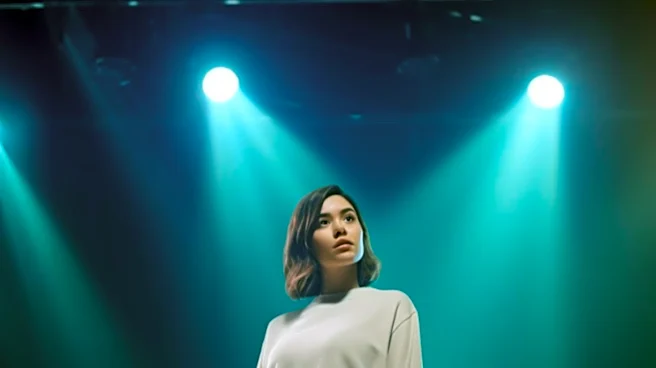
Female stand-up comedians in China are gaining significant popularity by addressing deeply rooted patriarchal norms and gender issues through their performances. Comedians like Xiao Pa, who uses dark humor to discuss childhood trauma and male-dominated
societal absurdities, resonate with female audiences who see their own frustrations reflected on stage. This rise in popularity, particularly among younger Chinese, comes as the country's leadership, under President Xi Jinping, is tightening controls on public discourse, especially concerning marriage and childbirth, due to an accelerating population decline. While female employment is high, a significant gender gap persists, particularly in politics. The government views feminist movements and discussions that discourage marriage or childbirth as potential sources of social unrest, leading to increased scrutiny and even suspension of social media accounts for comments perceived as fueling gender conflict.
Why It's Important?
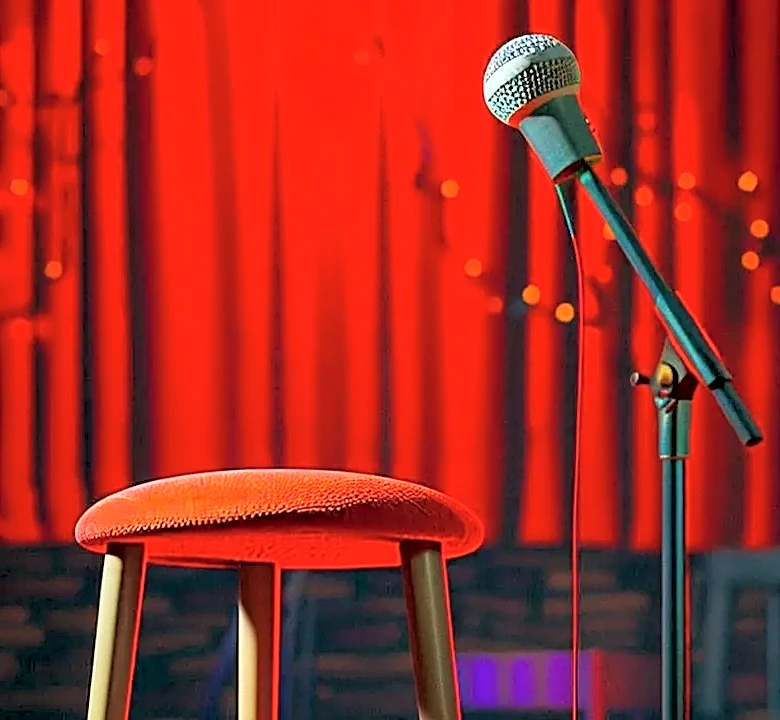
This phenomenon is important as it highlights a significant cultural and social shift within China, where public platforms are being used to challenge traditional gender roles and societal expectations. The comedians' ability to voice frustrations about patriarchy and gender inequality, despite government controls, indicates a growing demand for such discussions among the populace, particularly women. For the U.S. and international observers, this trend offers insight into the evolving social dynamics within China, contrasting with the government's efforts to promote 'positive views on marriage and child-rearing.' It underscores the tension between individual expression and state control, and how art forms like stand-up comedy can become a subtle yet powerful medium for social commentary, even in restrictive environments. The backlash against comedians for discussing gender issues also reflects the broader challenges faced by women's rights advocates globally.
What's Next?
The future of female stand-up comedy in China will likely involve a continued balancing act between artistic expression and government censorship. Comedians may need to navigate increasingly sensitive environments, potentially leading to more nuanced or indirect forms of social commentary to avoid repercussions. The government's response to these discussions, whether through further tightening controls or subtly acknowledging the underlying issues, will be crucial. This trend could also inspire similar movements in other art forms or public forums, as individuals seek avenues to discuss societal pressures. The ongoing debate between promoting traditional family values and addressing gender inequality will continue to shape public discourse and policy in China, with the voices of these comedians playing a role in bringing these issues to the forefront.
Beyond the Headlines
Beyond the immediate impact on the entertainment industry, the rise of female stand-up comedians in China touches upon deeper societal and ethical considerations. It reflects a global struggle for gender equality and the universal human need for self-expression and validation. The use of humor to address sensitive topics can be a powerful tool for social change, allowing for critical discussions that might otherwise be suppressed. Ethically, it raises questions about freedom of speech and the role of art in challenging established norms, especially in societies with strict governmental oversight. Culturally, it signifies a modernization of Chinese entertainment and a growing appetite for content that reflects contemporary social realities, even if those realities are at odds with official narratives. This movement could contribute to long-term shifts in gender perceptions and societal expectations within China, influencing future generations' views on marriage, family, and women's roles.