









What's Happening?
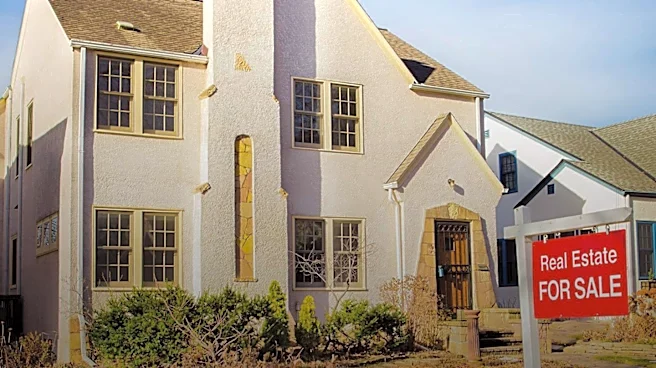
A new report from Harvard's Joint Center for Housing Studies suggests that the era of widespread middle-class homeownership in the U.S. may have been an anomaly rather than a norm. The report highlights that the conditions which enabled broad homeownership in the postwar
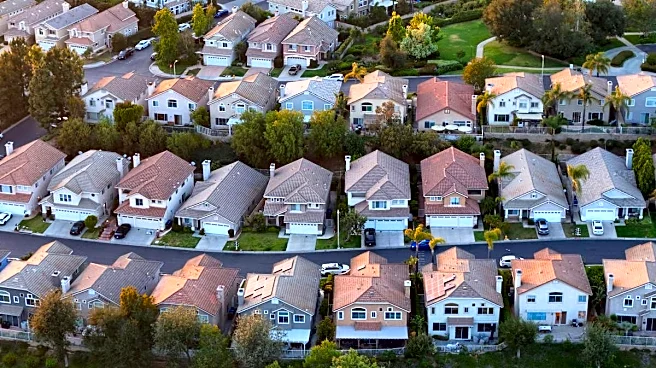
decades, such as federal mortgage guarantees and strong union density, have largely disappeared. The current housing market is characterized by high prices and limited affordability, with the median home price significantly outpacing median household income. The report also notes a growing disparity in homeownership rates, particularly among younger and minority households.
Why It's Important?
The findings underscore the challenges facing the U.S. housing market, where affordability issues and economic disparities are becoming more pronounced. The shift away from widespread homeownership has implications for economic mobility and wealth accumulation, as homeownership has traditionally been a key driver of wealth for middle-class families. The report calls attention to the need for policy interventions to address these challenges and promote equitable access to housing.
What's Next?
Addressing the structural issues in the housing market will require coordinated efforts from policymakers, industry stakeholders, and community organizations. Potential solutions may include increasing affordable housing supply, revising zoning regulations, and expanding access to housing finance. The evolving housing landscape will necessitate ongoing analysis and adaptation to ensure that homeownership remains accessible to a broad segment of the population.