



What's Happening?
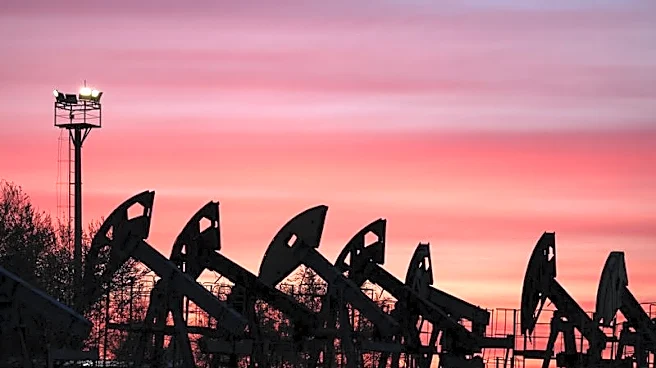
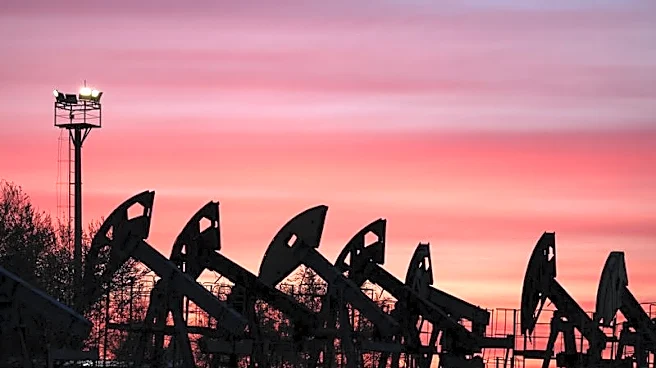
The upcoming OPEC+ meeting on August 2 is set to focus on oil supply security amid ongoing geopolitical tensions in the Middle East. The group is expected to approve a 188,000 barrels per day production increase for September, continuing a gradual reduction
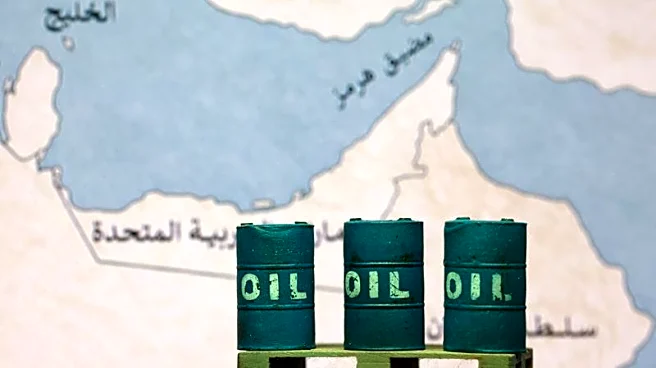
in voluntary output cuts. Despite disruptions in Gulf exports, OPEC+ producers are working to stabilize the market. The geopolitical situation, particularly in the Strait of Hormuz, remains a significant concern, with oil flows far below normal levels due to regional conflicts.
Why It's Important?
The OPEC+ meeting is crucial for global oil markets, as the group's decisions directly impact oil prices and supply stability. The geopolitical tensions in the Middle East, especially in the Strait of Hormuz, pose risks to global energy security. The group's ability to manage production and address supply disruptions will influence market confidence and economic stability. The outcome of the meeting could affect energy prices, impacting industries and consumers worldwide. OPEC+'s actions will be closely monitored by market analysts and policymakers.
What's Next?
OPEC+ will need to navigate internal disagreements and external pressures to reach a consensus on production levels. The group's future decisions will be influenced by geopolitical developments and market conditions. The resolution of conflicts in the Middle East, particularly in the Strait of Hormuz, will be critical for restoring normal oil flows. The group's ability to adapt to changing circumstances and maintain market stability will be key to its success. The meeting's outcome will have significant implications for global energy markets and economic growth.