





What's Happening?
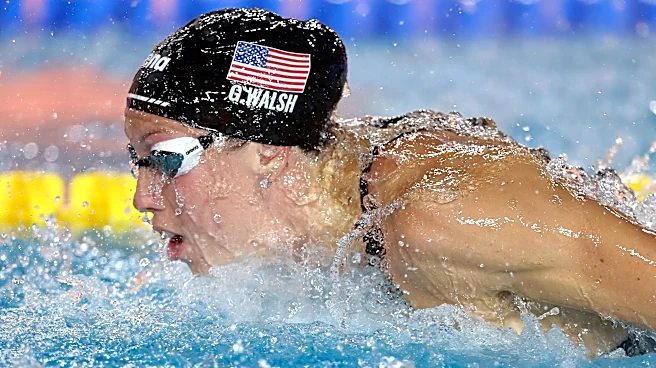
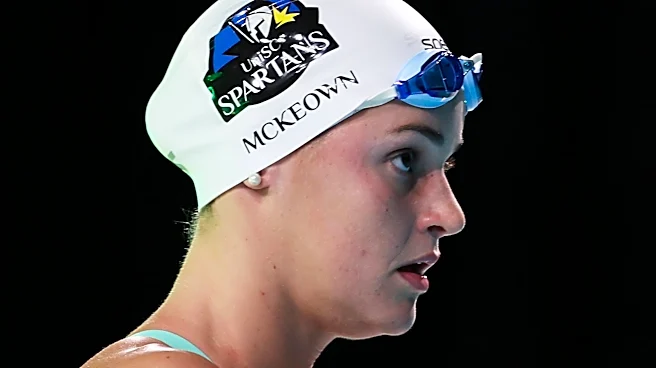
U.S. Olympic swimmer David Johnston has disclosed that a serious head-on car accident and multiple injuries have kept him from competing for over 13 months. Johnston, who last competed in October 2025, winning two freestyle events for the University of
Texas, transferred to the University of Florida in April 2026 hoping for a fresh start. However, his return to the pool was derailed by shoulder and knee injuries requiring injections and extensive rehabilitation. Approximately three months ago, he was involved in a car accident that resulted in a concussion and persistent neurological symptoms, making daily life challenging. Johnston shared this emotional update on Instagram on November 6, expressing gratitude for the support from the University of Florida's coaching and training staff during his recovery. He remains determined to regain his health and return to competitive swimming once his brain heals.
Why It's Important?
This development is significant for the U.S. swimming community, as David Johnston is a prominent distance swimmer with a notable career. His absence impacts the competitive landscape, particularly as he was expected to contribute to the University of Florida's swimming program. Johnston's situation highlights the vulnerability of athletes to unforeseen circumstances like accidents and chronic injuries, which can abruptly halt promising careers. His public sharing of his struggles also brings attention to the physical and mental toll such setbacks can take on athletes, emphasizing the need for comprehensive support systems. For fans and aspiring swimmers, Johnston's journey underscores the resilience required in elite sports and the long road to recovery from severe injuries.
What's Next?
Johnston has not provided a specific timeline for his return to competitive swimming, stating that he will be back "when my brain heals." His immediate focus will likely remain on rehabilitation for his concussion and neurological symptoms, alongside continued physical therapy for his shoulder and knee injuries. The University of Florida's medical and coaching staff will play a crucial role in guiding his recovery process. His return will depend on his medical clearance and his ability to regain the physical conditioning necessary for elite-level swimming. The swimming community will be watching for updates on his progress, hoping for his eventual return to the sport he loves.
Beyond the Headlines
Johnston's experience sheds light on the broader challenges athletes face beyond their performance in competition. The impact of a severe car accident, particularly a concussion with persistent neurological symptoms, can have long-lasting effects on an individual's overall health and quality of life, not just their athletic career. This situation also underscores the importance of athlete welfare programs that extend beyond immediate injury treatment to include mental health support and long-term recovery planning. His story could serve as a reminder for sports organizations and universities to continually assess and enhance their support mechanisms for athletes facing career-threatening health crises, ensuring they receive holistic care during difficult periods.