








What's Happening?
Wineries in Aomori Prefecture, northeastern Japan, have established an association with the goal of gaining recognition for their local wines. This initiative aims to elevate Aomori's reputation beyond its current status as a producer of rice, sake, apples,
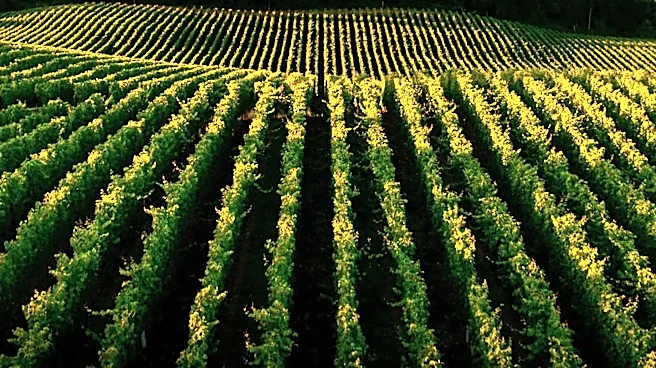
and seafood. Sun Mamoru Winery, a pioneering local establishment and one of the nine founding members of the association, began cultivating vineyards in 1998 in Mutsu, located on the Shimokita Peninsula. Yoshihisa Kitamura, president of Sun Mamoru Winery and chairman of the new association, expressed his desire to establish Aomori as a significant wine-producing brand. The region's unique climate, characterized by the 'yamase' (a cold wind from the Sea of Okhotsk during summer), was initially seen as a challenge for traditional crops but has proven beneficial for wine grapes. Kitamura notes that the yamase slows grape growth, helping to maintain acidity until autumn when sugar levels increase, resulting in a balanced flavor profile. The iron-rich volcanic soil also contributes to the grapes' color, and abundant sunshine further supports winemaking efforts. Tsugaru Winery, another member of the association, produces wine from Steuben table grapes, a popular local variety.
Why It's Important?
This move by Aomori's wineries signifies a strategic effort to diversify the region's agricultural economy and enhance its global market presence. By seeking official recognition, potentially through a Japanese government geographical indication, Aomori wines could gain protected status, similar to appellations in other renowned wine regions. This would not only guarantee the quality and origin of their products but also increase their market value and appeal to international consumers. The focus on unique climatic conditions, such as the 'yamase' wind and volcanic soil, highlights a growing trend in the wine industry to emphasize terroir—the complete natural environment in which a particular wine is produced. Success in this endeavor could attract more investment into Aomori's wine sector, create new jobs, and boost tourism, as wine enthusiasts seek out distinctive regional offerings. Furthermore, it could inspire other Japanese prefectures to explore and promote their own unique agricultural products, contributing to a broader economic revitalization in rural areas.
What's Next?
The Aomori winery association plans to pursue a Japanese government geographical indication (GI) to protect their local products and ensure their quality. This process typically involves rigorous evaluation of the region's specific characteristics, production methods, and the quality standards of the wines. If successful, obtaining GI status would provide a legal framework to prevent imitation and mislabeling, thereby safeguarding the authenticity and reputation of Aomori wines. The association will likely continue to promote the unique aspects of their terroir, such as the influence of the 'yamase' wind and volcanic soil, to differentiate their products in the competitive global wine market. Future steps may also include increased participation in national and international wine competitions, targeted marketing campaigns, and collaborations with tourism boards to integrate wine tourism into Aomori's existing attractions. The success of this initiative could serve as a model for other agricultural regions in Japan looking to gain specialized recognition for their local produce.
Beyond the Headlines
The formation of the Aomori winery association reflects a deeper cultural and economic shift in Japan, moving towards valuing and promoting regional specialties with unique characteristics. Historically, Japan has been renowned for sake, but there's a growing appreciation and investment in domestic wine production. This initiative underscores a broader trend of local communities leveraging their distinct environmental and agricultural assets to create high-value products. The emphasis on 'terroir' in Aomori's winemaking, particularly the adaptation to challenging climatic conditions like the 'yamase,' showcases innovation and resilience within the agricultural sector. This could lead to a re-evaluation of what constitutes 'ideal' conditions for viticulture, potentially opening up new regions globally for wine production. Furthermore, the pursuit of geographical indication status highlights a commitment to quality and authenticity, which can foster consumer trust and contribute to a stronger national identity around specialized agricultural goods. This movement also has implications for sustainable agriculture, as local producers often have a vested interest in preserving their unique environments.