




What's Happening?
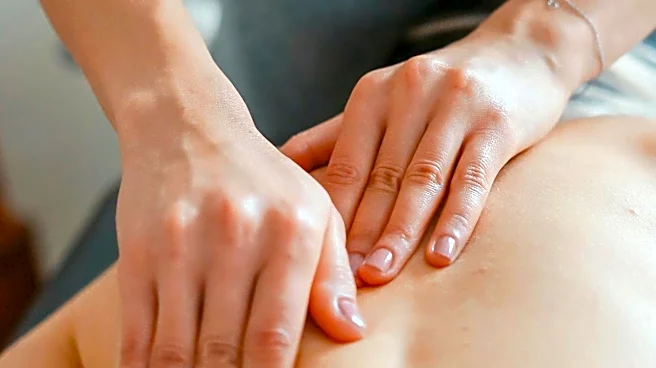
Lymphatic drainage is a specialized massage technique that employs light, rhythmic movements to stimulate the lymphatic system. This system is crucial for returning fluid from tissues to the bloodstream and plays a role in managing swelling. The technique is primarily
used in healthcare settings for conditions like lymphoedema and general swelling, encouraging fluid movement towards functioning lymph vessels and nodes. In the context of beauty treatments, lymphatic drainage facials are popular for temporarily reducing superficial facial puffiness, often seen after salty meals or short nights. While it can offer a soothing and de-puffing effect, experts emphasize that the beauty version of lymphatic drainage does not detox the body, permanently alter facial structure, or remove fat. Post-surgery, manual lymphatic drainage (MLD) is also utilized to support fluid movement and reduce swelling, aiding in recovery. The effectiveness of lymphatic drainage in beauty contexts is generally temporary, lasting a few hours, as it primarily addresses fluid retention rather than structural changes.
Why It's Important?
Understanding the true capabilities and limitations of lymphatic drainage is important for consumers and healthcare providers alike. For individuals seeking cosmetic improvements, it clarifies that while temporary de-puffing is achievable, claims of detoxification or permanent facial reshaping are not supported. This distinction helps manage expectations and promotes informed decisions regarding beauty treatments. In a medical context, particularly for post-surgical recovery or managing conditions like lymphoedema, lymphatic drainage offers a non-invasive method to alleviate swelling and discomfort, contributing to patient well-being and recovery. However, it is crucial to recognize that persistent or unexplained swelling warrants medical attention rather than self-treatment with massage. The technique's growing popularity in both medical and beauty sectors highlights the need for clear communication about its benefits and when it is appropriate, ensuring that individuals seek professional medical advice for underlying health issues.
What's Next?
As lymphatic drainage continues to gain popularity, particularly through social media, there will likely be an ongoing need for clear, evidence-based information to distinguish between its medical applications and its role in beauty and wellness. Consumers may increasingly seek out qualified practitioners who understand the nuances of the technique and can provide realistic expectations. Further research may also refine the understanding of lymphatic drainage's efficacy in various contexts, potentially leading to more standardized protocols for both medical and cosmetic applications. Healthcare professionals will continue to integrate MLD into post-operative care and lymphedema management, while the beauty industry will likely continue to offer lymphatic facials, emphasizing temporary de-puffing and relaxation benefits. Education campaigns could become more prevalent to inform the public about when to seek medical advice for swelling versus when a lymphatic massage might be a suitable temporary solution.
Beyond the Headlines
The widespread interest in lymphatic drainage reflects a broader societal trend towards holistic wellness and non-invasive cosmetic procedures. This trend often blurs the lines between medical treatments and beauty enhancements, leading to potential misinformation. The concept of 'detoxification,' frequently associated with lymphatic drainage in beauty contexts, taps into a popular but often scientifically unsupported wellness narrative. This highlights a larger challenge in the wellness industry: the need for consumers to critically evaluate claims and for practitioners to communicate transparently about what treatments can and cannot achieve. Ethically, practitioners offering lymphatic drainage must ensure they do not overpromise results or delay individuals from seeking necessary medical attention for serious underlying conditions. The rise of such treatments also underscores the public's desire for natural methods to improve appearance and well-being, prompting a need for both scientific rigor and ethical marketing in the health and beauty sectors.