
What's Happening?
UPSIDE Foods, a company specializing in cultivated chicken produced from animal cells, has lost its appeal against Florida’s state ban on lab-grown meat. This development occurred in March 2026, although
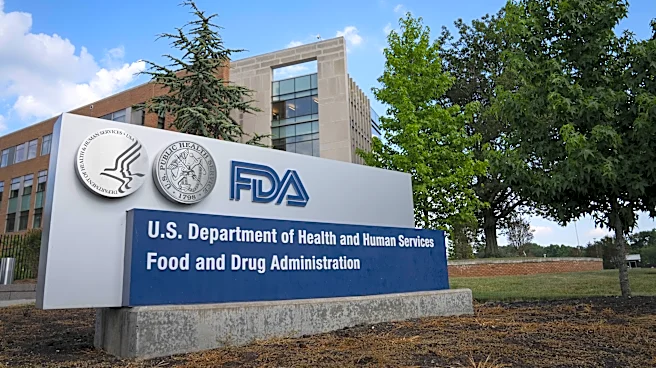
the broader legal challenge to the ban is still ongoing. The company had previously received significant regulatory approvals in the U.S., with both the FDA and USDA clearing its cultivated chicken for sale in 2022 and 2023. Despite these federal endorsements, individual states are enacting their own regulations. Texas, for instance, has also implemented a ban on lab-grown meat, which is set to remain in effect until 2027. A federal appeals panel is currently reviewing whether the Texas ban can legally stand, indicating a fragmented regulatory landscape for cultivated meat products across the United States. UPSIDE Foods, alongside GOOD Meat, was among the first companies to gain federal approval for their cultivated chicken products, marking a significant step for the alternative protein industry.
Why It's Important?
The Florida appeal loss for UPSIDE Foods highlights a growing tension between federal regulatory approvals and state-level legislative actions concerning novel food technologies. This divergence creates significant market uncertainty for companies like UPSIDE Foods, which rely on a consistent regulatory environment to scale production and distribution. State bans, even if challenged, can disrupt business plans, deter investment, and limit consumer access to these products. For the broader cultivated meat industry, these state-level prohibitions could fragment the U.S. market, making it more complex and costly to operate nationwide. It also raises questions about states' rights to regulate food products that have received federal health and safety clearances. Consumers in states with bans will be deprived of the option to purchase cultivated meat, potentially impacting dietary choices and the availability of alternative protein sources. The outcome of the federal appeals panel decision regarding the Texas ban will be crucial in setting a precedent for future state-federal conflicts over food technology regulation.
What's Next?
The ongoing wider case against Florida’s ban means that UPSIDE Foods will likely continue its legal efforts to overturn the state-level prohibition. The decision from the federal appeals panel concerning the Texas ban will be a critical indicator for the future of cultivated meat regulation in the U.S. A ruling in favor of the federal approvals could weaken state bans, while a ruling upholding state bans could embolden other states to enact similar legislation. Industry stakeholders, including other cultivated meat producers and investors, will closely monitor these legal battles as they will shape the market access and operational viability of cultivated meat companies. Furthermore, lobbying efforts at both federal and state levels are expected to intensify as companies and advocacy groups seek to influence future regulatory frameworks. The industry may also explore strategies to address state-specific concerns that lead to these bans, such as labeling requirements or production standards, to foster broader acceptance.
Beyond the Headlines
The conflict between federal approval and state bans on cultivated meat touches upon deeper issues of food innovation, consumer choice, and the balance of power between federal and state governments. Ethically, the debate often revolves around the definition of 'meat' and whether lab-grown products should be subject to different regulations or labeling. Legally, these cases test the limits of state authority to restrict commerce for products deemed safe by federal agencies. Culturally, the acceptance of cultivated meat varies, with some consumers embracing it as a sustainable alternative and others expressing skepticism or resistance. The long-term implications could include a balkanized food market where access to certain innovative products depends on geographic location, potentially hindering the growth of new industries designed to address food security and environmental sustainability. This situation also highlights the need for clearer national guidelines or a more harmonized approach to regulating novel food technologies to prevent a patchwork of conflicting laws.