







What's Happening?
Influencer marketing contracts are becoming increasingly complex, necessitating clear and specific clauses to protect both brands and creators. Key areas of focus include deliverables, payment terms, usage rights, exclusivity, and, critically, disclosure.
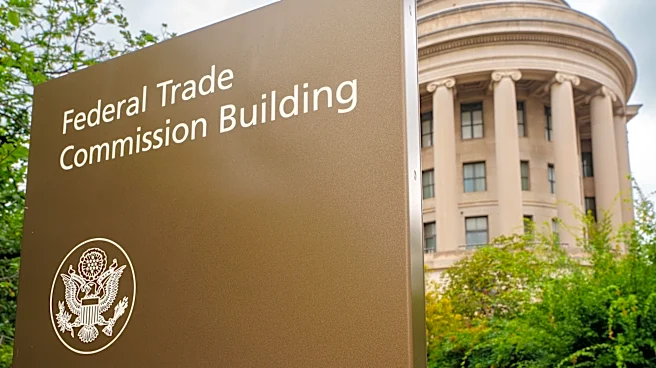
The U.S. Federal Trade Commission (FTC) mandates that disclosures must be 'hard to miss' and placed directly with the endorsement, not hidden. This means using terms like 'Ad' or '#ad' at the beginning of captions and verbally or visually indicating sponsorship within video content. Brands are held responsible for ensuring creators comply with these regulations. Common pitfalls in contracts include vague usage rights, lack of approval deadlines, overly broad exclusivity clauses, and insufficient kill fees for canceled projects. A comprehensive contract template addresses these issues by detailing specific deliverables, payment schedules, and clear disclosure requirements.
Why It's Important?
The increasing scrutiny from regulatory bodies like the FTC means that U.S. brands and influencers must prioritize transparency to avoid legal repercussions and maintain consumer trust. Ambiguous contracts can lead to disputes over content usage, payment, and compliance, potentially damaging brand reputation and financial stability. By clearly defining terms such as usage rights and exclusivity, brands can control how their content is used and prevent conflicts of interest, while creators can ensure fair compensation for their work. The emphasis on explicit disclosure protects consumers from deceptive advertising and reinforces ethical marketing practices, which are crucial for the long-term sustainability and credibility of the influencer marketing industry in the U.S.
What's Next?
The evolving regulatory landscape and the increasing professionalization of influencer marketing suggest a continued need for robust and transparent contracts. Brands and creators will likely invest more in legal counsel to ensure compliance and protect their interests. The industry may see a rise in standardized contract templates that incorporate best practices for disclosure, usage rights, and other critical terms. Furthermore, as platforms introduce their own disclosure tools, brands will need to ensure these are used in conjunction with explicit textual and verbal disclosures to meet regulatory requirements. The focus will remain on clear communication and mutual understanding between brands and creators to foster a more ethical and effective marketing ecosystem.
Beyond the Headlines
Beyond legal compliance, the meticulous crafting of influencer contracts reflects a broader maturation of the digital economy. It signifies a shift from informal collaborations to structured business partnerships, highlighting the growing economic value and professional recognition of content creation. This formalization can empower creators by providing clear terms for their intellectual property and labor, while also professionalizing the brand-influencer relationship. However, it also raises questions about the potential for over-legalization to stifle creativity or disproportionately impact smaller creators who may lack legal resources. The balance between legal protection and creative freedom will be a continuous challenge as the industry evolves.