







What's Happening?
Dancehall music has profoundly influenced global pop charts over the last four decades, with its rhythms and styles becoming integral to numerous hit songs by major artists. Originating in Jamaica in the early 1980s as a revolution within reggae, dancehall's
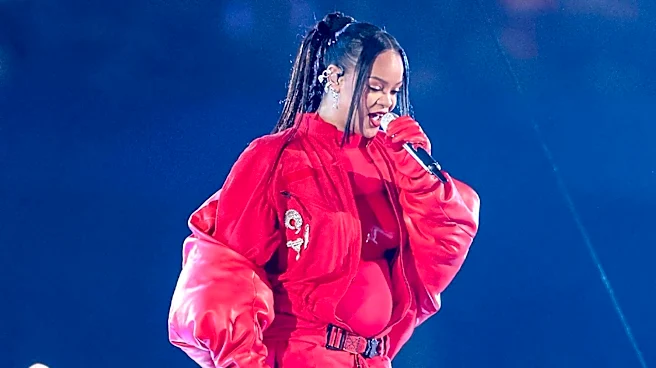
accessible and danceable nature allowed it to travel globally. Artists like Sean Paul achieved significant mainstream success in the early 2000s, with multiple Billboard Hot 100 hits and Grammy awards. The influence became even more pronounced around 2015-2016, when artists such as Justin Bieber with 'Sorry,' Rihanna with 'Work,' and Drake with 'One Dance' released chart-topping songs heavily featuring dancehall beats and Caribbean inflections. These tracks, often built on 'riddims' from Jamaican producers, demonstrated dancehall's capacity to drive the biggest songs on the planet. However, this widespread adoption has also sparked debates regarding proper credit and cultural recognition for the genre's Jamaican origins.
Why It's Important?
The pervasive influence of dancehall on pop music is significant because it highlights a recurring issue in the music industry: the appropriation and often uncredited use of sounds and styles from marginalized cultures. While dancehall has undeniably shaped the sound of global pop, the lack of explicit acknowledgment from some mainstream artists and critics has led to frustration within the Jamaican music community. This 'credit problem' means that while the music's creators and originators often miss out on the financial and cultural authority that flows from these global hits, terms like 'tropical house' are sometimes used to describe dancehall-influenced tracks, effectively whitewashing their origins. This dynamic impacts who benefits economically and culturally from the music, raising questions about equitable compensation and recognition for the foundational artists and producers in Jamaica.
What's Next?
The ongoing conversation about dancehall's influence and the issue of credit is expected to continue shaping how artists and the industry approach genre blending. While some mainstream artists have been criticized for not adequately crediting dancehall, there's a growing trend of Jamaican artists claiming crossover space on their own terms. For example, Shenseea's recent success, including a Billboard Latin Airplay chart-topper and Grammy nomination, demonstrates a path for Jamaican artists to achieve global recognition while maintaining their cultural identity. This shift suggests a future where the originators of dancehall may gain more direct control over their narratives and benefit more directly from the global popularity of their sound, potentially leading to more equitable collaborations and acknowledgments within the music industry.
Beyond the Headlines
Beyond the immediate commercial success and credit disputes, the story of dancehall's impact on pop music reflects broader themes of cultural exchange, globalization, and identity. It underscores how music acts as a powerful vehicle for cultural transmission, allowing sounds from specific regions to resonate worldwide. However, it also exposes the power imbalances inherent in this exchange, where dominant cultural industries can absorb and rebrand elements from less powerful ones. The debate over 'tropical house' versus dancehall is not merely semantic; it's about the preservation of cultural heritage and the recognition of intellectual and artistic labor. This ongoing dialogue challenges listeners and industry professionals to critically examine the origins of popular music and to ensure that the creators and communities behind these influential sounds receive due respect and benefit.