




What's Happening?
Indiana Governor Mike Braun has officially declared Indiana as the 'Radiopharmaceutical Capital of the World,' following a significant expansion by RayzeBio Inc., a Bristol Myers Squibb Company. RayzeBio plans to invest over $173 million in its central
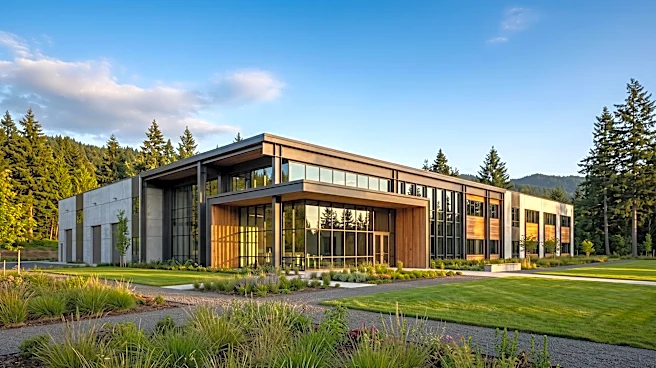
Indiana operations, establishing a new 450,000-square-foot facility in Whitestown, Boone County. This expansion is projected to create up to 100 new, high-wage jobs by the end of 2029, with average annual wages expected to exceed $130,000. The new facility will complement RayzeBio's existing 77,000-square-foot operation in Indianapolis, enhancing its capacity to produce next-generation radiopharmaceutical therapies (RPTs) for cancer treatment. These therapies utilize radioisotopes to target and deliver internal radiation to cancer cells, aiming to minimize risk to healthy tissues. RayzeBio, established in 2020 and acquired by Bristol Myers Squibb in 2024, focuses on actinium-based RPTs and investigational drug development programs for various solid tumors, including gastroenteropancreatic neuroendocrine tumors (GEP-NET), liver, and prostate cancers. Construction on the new facility is expected to commence this year.
Why It's Important?
This announcement solidifies Indiana's growing prominence in the life sciences sector, particularly in radiopharmaceutical innovation. The substantial investment by RayzeBio and Bristol Myers Squibb underscores the state's strategic efforts to attract and foster high-tech industries. Governor Braun's initiative to invest $1 billion over 10 years in agricultural and life sciences, with a goal of creating 100,000 new jobs, is directly supported by this expansion. The creation of 100 high-wage jobs will provide significant economic opportunities for Hoosiers, contributing to a more robust and specialized workforce. Furthermore, the development and production of advanced radiopharmaceutical therapies in Indiana have broader implications for cancer treatment globally, potentially leading to more effective and safer options for patients. This move positions Indiana as a critical hub for medical advancements, attracting further research, development, and talent in the life sciences field. The state's focus on this niche but vital area of medicine could also lead to a ripple effect, encouraging other pharmaceutical and biotech companies to consider Indiana for their operations.
What's Next?
Construction of RayzeBio's new 450,000-square-foot facility in Whitestown is slated to begin this year. Following its completion, the company will proceed with hiring for advanced manufacturing roles at both its new Whitestown location and its existing Indianapolis facility, aiming to fill up to 100 new positions by the end of 2029. This expansion is a key component of Governor Braun's broader life sciences initiative, which seeks to invest $1 billion over the next decade and generate 100,000 new jobs in the sector. The state will likely continue to promote Indiana as a prime location for life sciences companies, leveraging this success to attract further investment and talent. Future developments may include additional partnerships between academic institutions and industry leaders to support research and workforce development in radiopharmaceuticals and other life sciences areas. The ongoing growth in this sector is expected to reinforce Indiana's reputation as a leader in medical innovation and advanced manufacturing.
Beyond the Headlines
The declaration of Indiana as the 'Radiopharmaceutical Capital of the World' signifies a strategic pivot towards specialized, high-value manufacturing within the U.S. economy. This move highlights a broader trend of states actively cultivating specific industry niches to drive economic growth and technological advancement. Beyond the immediate economic benefits of job creation and investment, this specialization could foster a unique ecosystem of research, development, and talent in radiopharmaceuticals, potentially leading to breakthroughs in cancer treatment. The ethical implications of advanced medical therapies, particularly those involving radioactive materials, will also become increasingly relevant, necessitating robust regulatory frameworks and public engagement. Culturally, this could elevate Indiana's profile as a center for scientific innovation, attracting a diverse pool of scientists, engineers, and medical professionals. The long-term success of this initiative will depend on sustained investment in education, infrastructure, and a supportive regulatory environment to maintain its competitive edge in this highly specialized field.