

What's Happening?
The retail events sector is undergoing significant transformation, driven by emerging trends such as the integration of smart retail technologies and artificial intelligence (AI) into event agendas. A new PCMA Insights report, 'Retail & Consumer Goods:
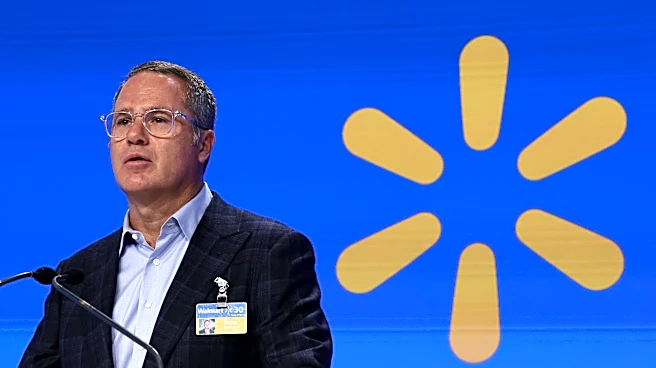
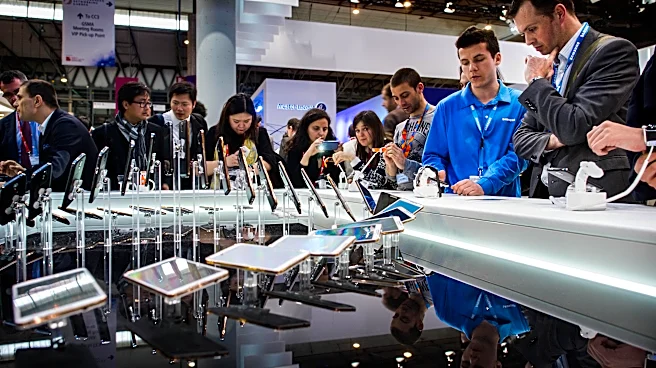
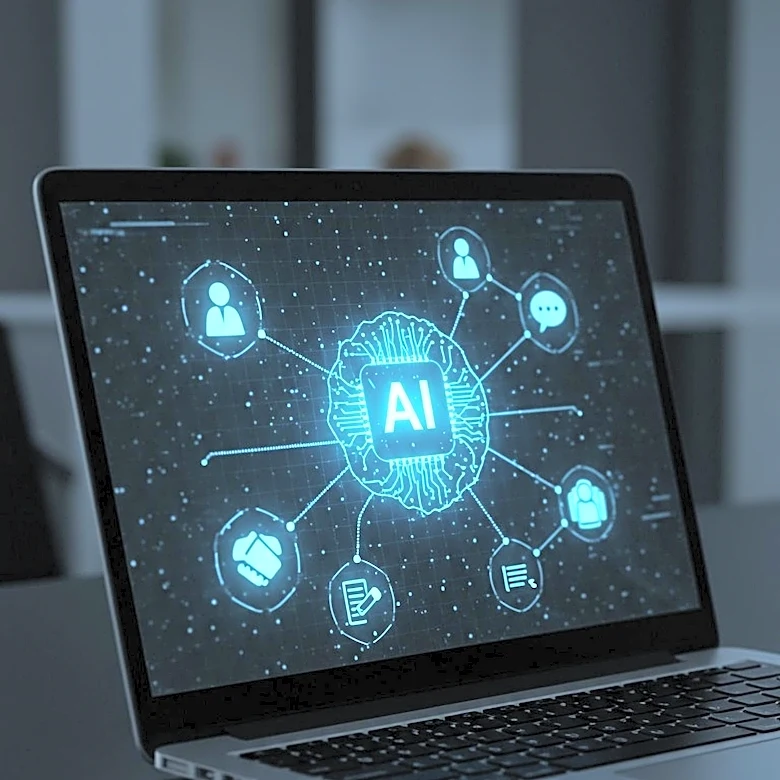
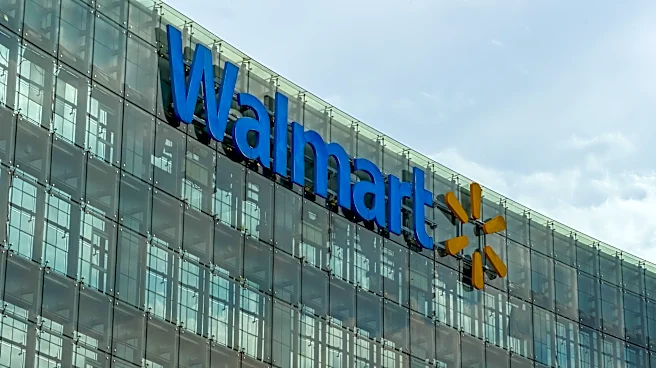
The Pulse of Global Events,' highlights that smart retail is projected to grow by 22% annually through 2030, as digital and physical retail converge into a single operating system. Attendees at retail events are increasingly seeking hands-on demonstrations of technology, with examples like Walmart showcasing supply chain data sharing at GS1 Connect. AI is no longer a separate tech track but is embedded throughout event programs, with nearly 68% of retail executives expecting to deploy agentic AI within 12 to 24 months. Events like Shoptalk are featuring debates on agentic AI, and EuroCIS is demonstrating AI's use in everyday retail activities such as product demand forecasting and cybersecurity. Additionally, retailers are becoming event creators themselves, hosting conferences to build relationships with partners and customers, as seen with Amazon Accelerate and Ulta Beauty World. Destinations are also being utilized as 'living classrooms,' with store visits and production tours enhancing learning experiences.
Why It's Important?
These emerging trends in retail events are crucial for the U.S. retail industry as they reflect a broader shift in how businesses engage with technology, partners, and consumers. The rapid growth of smart retail and the pervasive integration of AI indicate that U.S. retailers must adopt these technologies to remain competitive. Events that prioritize live demonstrations and hands-on experiences cater to a new generation of buyers who want to understand technology's practical applications, influencing purchasing decisions and adoption rates within the industry. The shift of AI from a niche topic to a core component of retail agendas means that U.S. retail executives and professionals need to rapidly upskill and adapt to AI-driven operations, from forecasting to cybersecurity. Furthermore, the trend of retailers becoming event creators signifies a strategic move to foster stronger community and direct engagement, potentially reshaping traditional marketing and partnership models for U.S. brands. This evolution in retail events directly impacts how U.S. businesses innovate, collaborate, and educate their workforce and partners.
What's Next?
The retail events landscape will likely continue to evolve with an even greater emphasis on technological integration and experiential learning. We can expect more retail conferences and trade shows in the U.S. to feature immersive tech demonstrations and dedicated AI-focused sessions, moving beyond theoretical discussions to practical applications. The trend of retailers hosting their own events is anticipated to grow, leading to more direct engagement between brands, their partners, and customers, potentially creating new ecosystems for collaboration and innovation. This could also lead to a re-evaluation of traditional trade show models, with a greater focus on curated, high-value interactions rather than sheer volume of attendees. The increasing use of destinations as 'living classrooms' suggests that future retail events will incorporate more real-world site visits and practical workshops, offering attendees a more comprehensive understanding of retail operations and trends. U.S. retail professionals will need to stay abreast of these changes to leverage the opportunities presented by these evolving event formats for networking, learning, and business development.
Beyond the Headlines
The deep integration of AI and smart retail into event agendas signals a fundamental transformation in the retail industry's operational and strategic core. This isn't merely about adopting new tools; it's about a paradigm shift towards data-driven decision-making, personalized customer experiences, and highly efficient supply chains. For the U.S. retail sector, this implies a significant investment in digital infrastructure and talent development to harness the full potential of AI. Ethical considerations surrounding AI, such as data privacy and algorithmic bias, will become increasingly prominent topics within these discussions, shaping future regulations and industry best practices. The move towards retailers as event creators also reflects a broader trend of brands taking greater control over their narratives and community building, fostering direct relationships that bypass traditional intermediaries. This could lead to a more fragmented but also more specialized event landscape, where niche communities and specific technological advancements are celebrated, ultimately driving innovation and differentiation within the competitive U.S. retail market.