



What's Happening?
The fashion industry is undergoing significant shifts in brand strategy, driven by evolving consumer preferences and technological advancements. According to Photogenics Media, key trends include an increased focus on digital storytelling, influencer
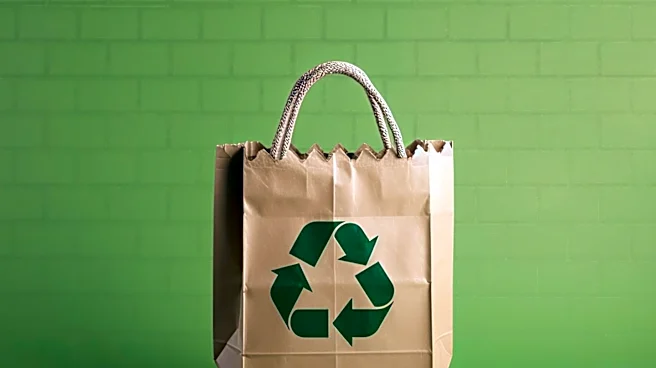
collaborations, sustainability, and high-quality visual content. Brands are leveraging social media platforms to create authentic narratives, utilize user-generated content, and engage consumers through relatable stories. Influencer partnerships have become crucial for reaching new audiences and enhancing credibility, leading to amplified brand reach, engagement with niche audiences, and a boost in conversions and sales. Sustainability is no longer a trend but a necessity, with consumers prioritizing eco-friendly practices, ethical production methods, and transparent supply chains. The demand for high-quality visuals, including professional photography and compelling video content, is also paramount for engagement. Additionally, the emergence of the metaverse presents new opportunities for brands to launch virtual fashion shows and create digital clothing for avatars.
Why It's Important?
These trends are reshaping how fashion brands connect with their target demographics and build loyalty. The emphasis on authenticity and relatable storytelling allows brands to forge deeper connections with consumers, moving beyond traditional advertising. Influencer marketing provides a direct and credible channel to reach specific market segments, particularly younger, tech-savvy audiences. The prioritization of sustainability reflects a broader societal shift towards conscious consumerism, compelling brands to adopt and communicate eco-friendly practices to attract and retain a loyal customer base. For U.S. businesses, adapting to these trends is crucial for maintaining competitiveness in a globalized market. Brands that fail to embrace digital innovation and ethical practices risk losing market share to more agile and socially responsible competitors. The shift also impacts supply chains, manufacturing processes, and marketing budgets, requiring strategic reallocations to align with these new priorities.
What's Next?
The fashion industry is expected to continue its evolution, with brands further integrating digital strategies and sustainable practices into their core operations. The metaverse, while still emerging, is anticipated to become a more significant platform for fashion, offering immersive experiences and new revenue streams through digital assets. Brands will likely invest more in understanding fashion media metrics to measure the success of their digital and influencer campaigns. There will be a continued push for greater transparency in supply chains and a focus on using sustainable materials. The role of influencers will expand, with brands seeking more authentic and long-term collaborations. Companies will also need to stay abreast of technological advancements to leverage new tools for visual content creation and consumer engagement, ensuring they remain relevant in a rapidly changing digital landscape.
Beyond the Headlines
The shift towards digital storytelling and influencer partnerships raises questions about the authenticity and ethical implications of marketing in the digital age. While brands aim for authenticity, the commercial nature of influencer collaborations can sometimes blur the lines between genuine endorsement and paid promotion. The focus on sustainability, while positive, also presents challenges in verifying claims and preventing 'greenwashing,' where companies make unsubstantiated environmental claims. The rise of the metaverse introduces new legal and ethical considerations regarding digital ownership, intellectual property, and consumer data privacy within virtual environments. These developments highlight a broader cultural transformation where consumer values are increasingly influencing corporate practices, pushing industries to not only innovate technologically but also to align with social and environmental responsibilities. The long-term impact could lead to a more transparent, ethical, and digitally integrated fashion ecosystem.