


What's Happening?
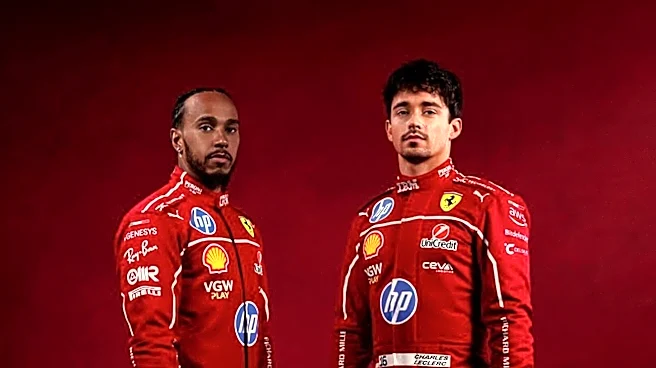
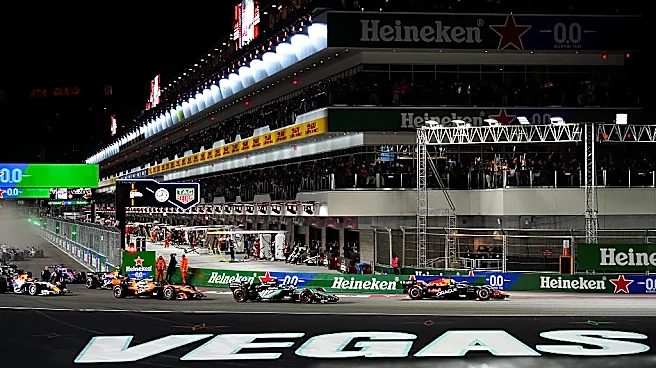
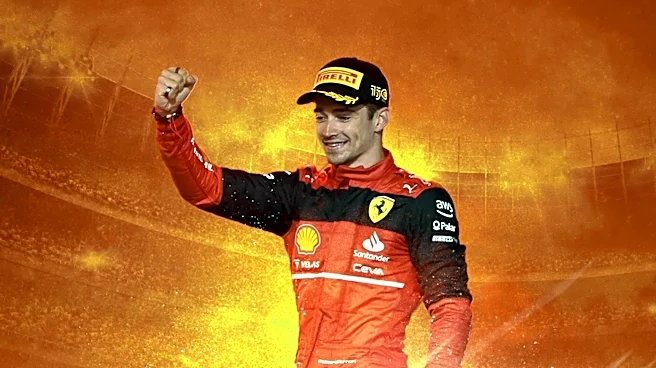
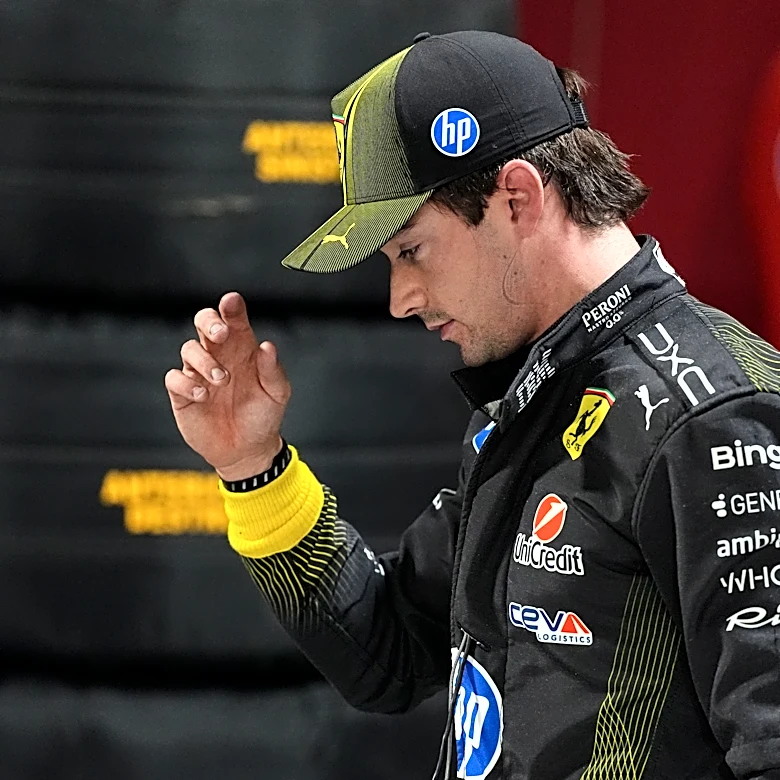
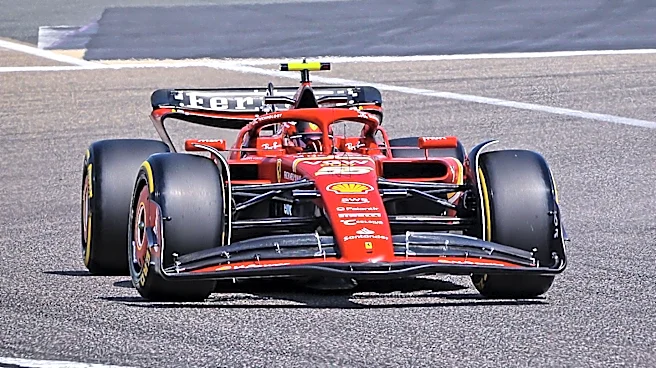
Ferrari driver Charles Leclerc has publicly denied the existence of a 'No. 1 driver' clause in his contract with the team. This denial comes after recent on-track collisions with his teammate, Lewis Hamilton, particularly at the Las Vegas Grand Prix,
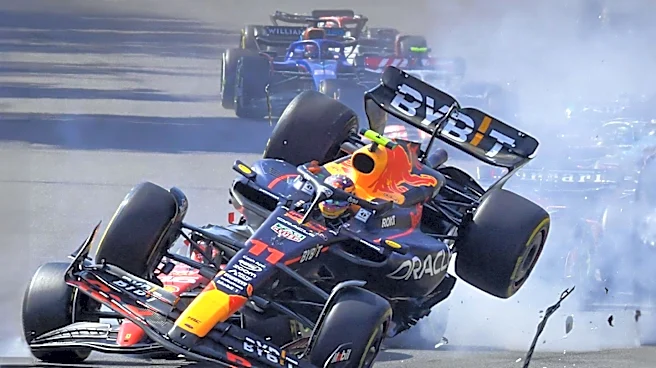
where Leclerc received a 10-second penalty for causing a collision. The incident in Las Vegas followed another clash three weeks prior in Mexico City, which cost Ferrari a potential one-two finish. Ferrari team principal Fred Vasseur has criticized Leclerc's driving as 'unacceptable' and has indicated that such incidents 'cannot continue.' Both Leclerc and Hamilton have confirmed that discussions have taken place with Vasseur and between themselves to address the recurring issues. Despite the tensions, Hamilton stated that they remain 'free to race' in the upcoming Qatar Grand Prix, emphasizing the goal of racing hard and fair while maintaining a good relationship.
Why It's Important?
The ongoing tension and on-track incidents between Ferrari teammates Charles Leclerc and Lewis Hamilton are significant for the team's performance and championship aspirations. While Ferrari is close to securing second place in the Constructors' Championship, the internal rivalry could jeopardize future results and team morale. The public denial of a 'No. 1 driver' clause by Leclerc highlights the internal dynamics and the team's struggle to manage two highly competitive drivers. The situation puts pressure on team principal Fred Vasseur to establish clear guidelines or a hierarchy to prevent further incidents, which could impact the team's ability to consistently challenge for wins and championships. The outcome of these internal discussions and any subsequent team orders will be crucial for Ferrari's stability and competitive edge in the upcoming seasons.
What's Next?
Ferrari faces immediate challenges in the upcoming Qatar Grand Prix and the final race of the season, where the team aims to secure its second-place position in the Constructors' Championship. While both drivers have stated they are free to race, the team will be closely monitoring their on-track conduct to avoid further collisions. Beyond the current season, the winter break will be critical for Ferrari to establish clear rules of engagement and a defined strategy for managing its drivers. Team principal Fred Vasseur will need to implement a structure that prevents future clashes and ensures both drivers can contribute effectively to the team's goals. The discussions between Leclerc, Hamilton, and Vasseur are expected to continue, with the aim of finding a workable solution for their on-track interactions, especially if Ferrari is to contend for championships in the future.
Beyond the Headlines
The recurring clashes between Charles Leclerc and Lewis Hamilton at Ferrari underscore a deeper challenge faced by top-tier racing teams: managing the competitive instincts of elite drivers within a team framework. The absence of a clear 'No. 1 driver' status, as denied by Leclerc, suggests a philosophy of equal opportunity, which can lead to intense on-track battles when championship stakes are high. This situation raises questions about the balance between fostering healthy competition and maintaining team cohesion and strategic objectives. The team's ability to navigate this internal dynamic will not only influence its immediate performance but also its long-term reputation and attractiveness to future talent. The resolution of this internal conflict could set a precedent for how Ferrari approaches driver management in an era of highly competitive Formula 1 racing.