




What's Happening?
A new study by 5W and Talent Resources, the Celebrity Brand AI Demand Index, reveals that celebrity-founded beauty brands are generating significant interest on AI platforms like ChatGPT. From August to October 2026, Selena Gomez's Rare Beauty averaged
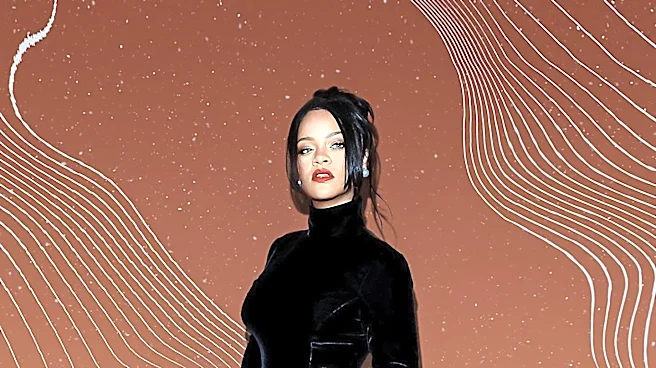
approximately 33,600 U.S. ChatGPT prompts per month, while Rihanna's Fenty Beauty garnered around 24,400 prompts. These figures surpass those of most non-celebrity-founded brands included in the study, with the exception of Tatcha, which saw a dramatic five-fold increase in prompts during the same period, reaching about 70,700 in October. The study emphasizes that prompt volume indicates consumer demand and interest, not necessarily AI recommendations or purchase conversions. Talent teams are now advised to consider AI demand data as a crucial factor before finalizing beauty brand deals, as it represents a new metric for brand value beyond traditional awareness and sales figures.
Why It's Important?
The emergence of AI demand as a key metric for celebrity-founded brands signifies a shift in how brand value and endorsement effectiveness are measured in the beauty industry. This data provides talent teams and marketers with actionable insights into consumer curiosity and engagement with brands in the digital space. High AI prompt volumes suggest that consumers are actively seeking information about these brands, potentially leading to increased brand visibility and consideration. For celebrity founders, this indicates that their personal brand can translate into tangible digital interest, offering a competitive edge. Conversely, brands without celebrity backing, like Tatcha, demonstrate that organic growth and effective marketing can also drive substantial AI demand, challenging the notion that celebrity affiliation is the sole driver of digital interest. This trend could lead to more data-driven decision-making in celebrity endorsements and brand partnerships.
What's Next?
Talent teams and brand marketers are expected to integrate AI demand data into their deal evaluation processes, asking specific questions about monthly AI prompt volumes and the direction of these trends. This will likely lead to more sophisticated negotiations and a greater emphasis on how brands plan to convert AI recognition into tangible consumer actions. Brands will also need to ensure their online content effectively answers common consumer queries posed to AI, as this directly influences how AI platforms present information about them. The rapid fluctuations in AI demand, as seen with Tatcha, suggest that continuous monitoring will be essential for brands to adapt their strategies. Furthermore, the study highlights the need for AI engines to provide accurate information, as a significant percentage of AI-recommended celebrity-brand partnerships have been found to be fabricated, necessitating a comprehensive review process for all stakeholders.
Beyond the Headlines
The rise of AI demand as a metric introduces deeper implications for brand authenticity and consumer trust. As consumers increasingly turn to AI for product recommendations, the accuracy and reliability of AI-generated information become paramount. The finding that a substantial portion of AI-recommended celebrity partnerships are fabricated underscores a potential ethical challenge for both AI developers and brands. This could lead to increased scrutiny of AI algorithms and a demand for greater transparency in how AI sources and presents information. For celebrities, maintaining an authentic connection with their audience and ensuring their brand affiliations are genuine will be even more critical, as AI demand can quickly reflect genuine interest or expose superficial endorsements. This trend also highlights the evolving role of AI as a gatekeeper of information, influencing consumer perceptions and purchasing decisions in ways that traditional marketing metrics may not capture.