





What's Happening?
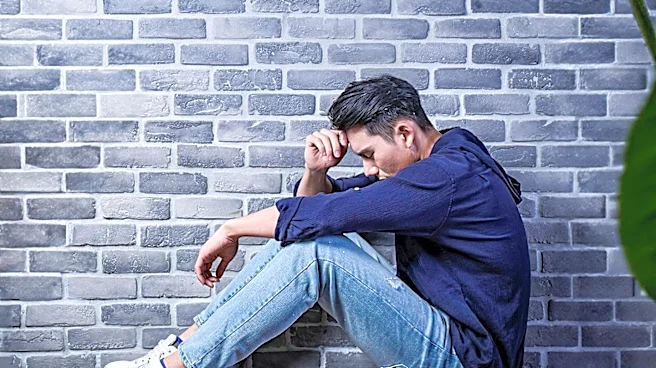
A licensed marriage and family therapist, Scott Mallon, has shed light on the often-missed signs of depression in men, which can be mistaken for stress or a bad mood. Mallon explains that traditional masculine norms, such as stoicism and self-reliance,
contribute to men's reluctance to seek help for mental health issues. These norms can make mental health struggles feel at odds with cultural expectations of strength and control. Depression in men often manifests as irritability, emotional distance, and exhaustion rather than the stereotypical sadness. This can lead to significant personal and professional consequences before the underlying issue is recognized.
Why It's Important?
The insights provided by Mallon are crucial in understanding the unique challenges men face in recognizing and addressing mental health issues. The reluctance to seek help due to cultural norms can lead to untreated depression, which may result in severe consequences such as relationship breakdowns, job loss, and even increased risk of suicide. By highlighting these issues, the article emphasizes the need for greater awareness and support systems tailored to men's mental health needs. This understanding can lead to more effective interventions and encourage men to seek help before reaching a crisis point.
What's Next?
The article suggests that creating a safe space for men to express their struggles without judgment is essential. Encouraging open conversations about mental health and challenging traditional masculine norms can help men feel more comfortable seeking support. Mental health professionals and society at large need to recognize the unique ways depression manifests in men and provide appropriate resources and support. This could involve public health campaigns, workplace mental health programs, and community support groups aimed at reducing stigma and promoting mental well-being among men.