


What's Happening?
The traditional Japanese aesthetic of Wabi-sabi, which emphasizes finding beauty in imperfection and the natural wear of materials, is increasingly influencing U.S. home design. This trend is exemplified by Robert Downey Jr.'s Malibu home, featuring a powder
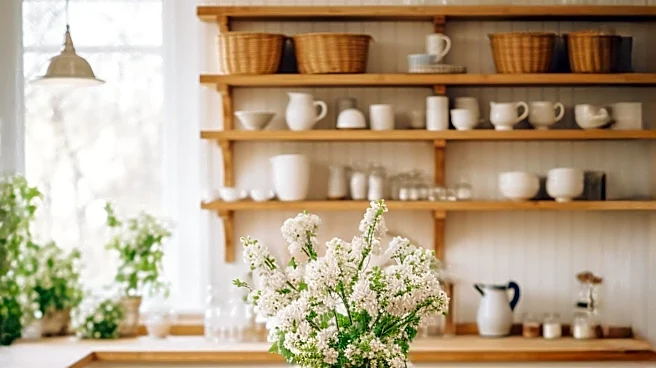
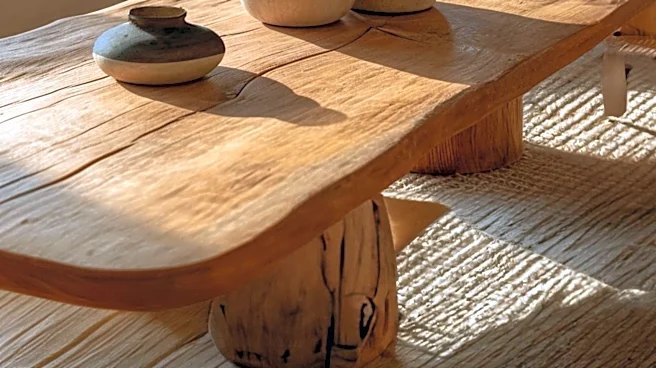
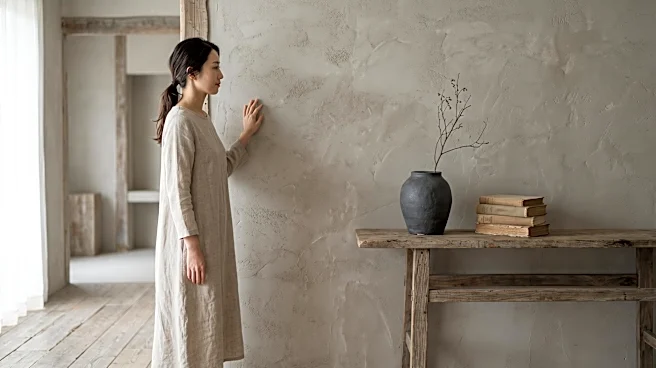
room with a sink carved from a large natural rock, designed by Joe Nahem of Fox Nahem. The design incorporates stone mosaics, limewashed walls, and the rugged rock basin, showcasing a masterclass in Wabi-sabi. Design experts, such as Claudia Kampmann, Brand Manager at Ruggable, note that the core of this style lies in a deep appreciation for natural materials like raw wood, weathered stone, handmade ceramics, and organic textiles. These elements are chosen for their functionality, durability, and inherent flaws, which contribute to their unique character. The growing interest in Wabi-sabi aligns with a broader desire among homeowners for unique, lived-in spaces that reflect personality and character, with Gen Z, in particular, showing an appreciation for vintage pieces that display wear and tear.
Why It's Important?
The rising popularity of the Wabi-sabi aesthetic in U.S. home design signifies a shift in consumer preferences towards authenticity, sustainability, and individuality over pristine perfection. This trend impacts the interior design industry, influencing product development and marketing strategies for home furnishings, decor, and building materials. Manufacturers and retailers are likely to see increased demand for natural, earthy materials and products that embrace imperfections, such as stone sinks, aged wood furniture, and handmade ceramics. The emphasis on characterful, lived-in homes also suggests a move away from mass-produced, uniform aesthetics, potentially boosting the market for artisanal goods, vintage finds, and custom-designed pieces. For consumers, Wabi-sabi offers a design philosophy that promotes relaxation and well-being, transforming homes into more personal and tranquil spaces. This cultural shift could also encourage more sustainable consumption patterns, as the appreciation for natural wear and durable materials may lead to less frequent replacement of items.
What's Next?
The continued growth of the Wabi-sabi trend is expected to further integrate Japanese-inspired interior design elements into mainstream U.S. homes. Beyond natural materials, this includes the increasing popularity of wellness-focused design, such as Japanese soaking baths, which are being reimagined as central features in luxury bathrooms. Mike Manders, Co-Founder and CEO of Haddon, highlights that these elements elevate the bathroom from a purely functional space to one reminiscent of a hotel or spa retreat, focusing on relaxation and ritual. This suggests that future home design will prioritize creating spa-like experiences and tranquil environments. Retailers like Home Depot are already offering products that align with this aesthetic, such as rock basins, indicating a broader market adaptation. Designers and brands will likely continue to innovate with natural, imperfect materials and incorporate elements that promote a sense of calm and authenticity, catering to a growing consumer base that values character and well-being in their living spaces.
Beyond the Headlines
The embrace of Wabi-sabi in U.S. home design reflects a deeper cultural yearning for authenticity and a rejection of consumerism's pursuit of flawless, disposable goods. This aesthetic challenges conventional notions of beauty by celebrating the transient, imperfect, and incomplete nature of objects and spaces. Ethically, it promotes a more sustainable approach to living, encouraging the use of durable, natural materials and appreciating the patina of age, which can reduce waste and foster a connection to craftsmanship. Culturally, it introduces a philosophical perspective that finds beauty in the natural cycle of growth and decay, offering a counter-narrative to the often-stressful pursuit of perfection in modern life. The trend's appeal to younger generations, particularly Gen Z, suggests a broader societal shift towards valuing experiences and character over superficial appearances, potentially influencing other areas of design and consumption beyond the home.