





What's Happening?
The Dallas Cowboys have traded a 2027 sixth-round pick and a 2028 second-round pick to the Pittsburgh Steelers for cornerback Joey Porter Jr. This move, confirmed by the team, signals a significant 'all-in' strategy by Cowboys owner Jerry Jones to bolster
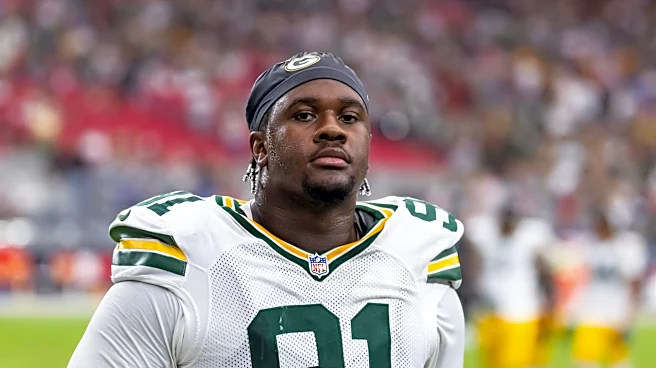
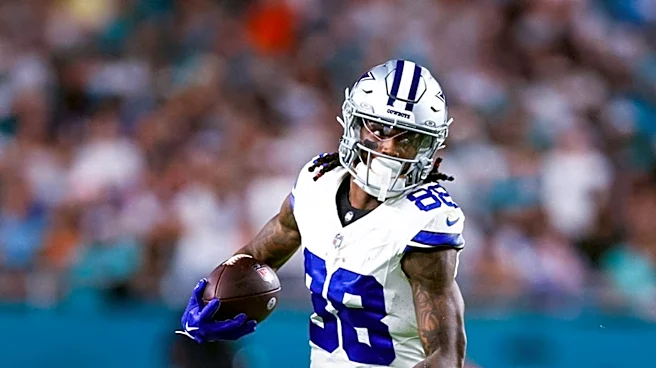
the team's roster for a Super Bowl run. Porter Jr. was reportedly dealing with a back issue and contentious contract negotiations with the Steelers, leading to his trade three weeks into the 2026 regular season. He had an interception, 52 tackles, and a sack last season but was inactive for the first three Steelers games and ruled out for their upcoming Thursday night game against the Cleveland Browns. This acquisition follows a pattern of aggressive trading by the Cowboys, including the trade of Micah Parsons to the Green Bay Packers before the 2025 season and the acquisition of Quinnen Williams from the New York Jets during the same season. The Cowboys also placed a franchise tag on wide receiver George Pickens, acquired from the Steelers last year.
Why It's Important?
This trade underscores the Dallas Cowboys' urgent 'win-now' mentality, driven by owner Jerry Jones's desire for another Super Bowl championship. By trading away future draft capital for an established player like Joey Porter Jr., the Cowboys are prioritizing immediate success over long-term roster building through the draft. This strategy, reminiscent of the Los Angeles Rams' 'F--- them picks' approach, indicates a willingness to sacrifice future assets for current competitive advantage. The move is particularly significant given the Cowboys' current defensive struggles, ranking 30th in total defense and 25th in scoring defense, having allowed an average of 387 yards per game. The acquisition of Porter Jr. aims to address these deficiencies and provide an immediate boost to the secondary. However, Porter Jr.'s ongoing contract dispute and his status as a potential free agent in 2027 could lead to further complex negotiations for the Cowboys, potentially impacting their salary cap and future roster flexibility.
What's Next?
Following the trade, Joey Porter Jr. is expected to join the Dallas Cowboys, though his immediate playing status is uncertain given his prior inactivity and back issue. While reports suggest he could play as early as this Sunday, his lack of training camp participation and three weeks of inactivity might mean a gradual integration into the team. The Cowboys will need to quickly address Porter Jr.'s contract situation, as he is set to become a free agent at the end of the 2026 season if an extension is not reached. This could lead to another round of complex contract negotiations for the Cowboys, similar to past situations with star players. The team's performance in upcoming games, particularly their Week 4 matchup against the Houston Texans, will be crucial in determining the immediate impact of this trade and whether it propels them towards their Super Bowl aspirations or exacerbates existing challenges.
Beyond the Headlines
The Cowboys' aggressive trading strategy, exemplified by the acquisition of Joey Porter Jr., highlights a broader trend in professional sports where teams are increasingly willing to mortgage future draft picks for immediate talent. This approach, while potentially leading to short-term success, carries inherent risks, including a depleted talent pipeline and potential salary cap issues in the long run. The focus on 'win-now' can also create pressure on newly acquired players to perform immediately, especially those with existing contract disputes. Furthermore, the trade of a player like Porter Jr. due to contract disagreements underscores the ongoing tension between player demands for guaranteed money and team management's desire for financial flexibility. This dynamic can lead to significant roster churn and impact team chemistry, as players are moved to resolve financial impasses. The long-term implications of such a strategy on team sustainability and fan loyalty will be a key area to watch.