





What's Happening?
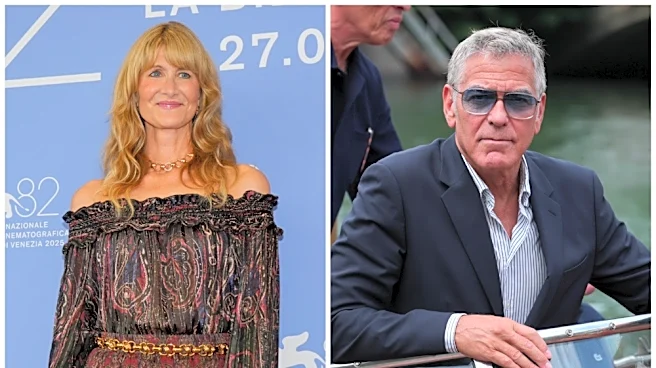
The Venice International Film Festival has announced it will not hold its traditional jury press conference this year. This decision comes amidst increasing pressure on film festivals to address the Israel-Gaza war, with an open letter from the group
Venice4Palestine garnering over 200 signatures from film industry figures. The letter, titled 'Yet Gaza Continues to Burn,' urges the festival to 'put Palestine in the spotlight' and include the Palestinian flag among the national flags displayed. It also demands transparency regarding agreements with bodies linked to the Israeli government and the creation of a protection structure for industry workers committed against genocide. While the festival denied that the cancellation was due to political pressure, attributing it to a 'scheduling conflict,' the move follows similar instances at other festivals where the conflict has dominated discussions, such as last year's Venice jury press conference and a panel at the Berlinale.
Why It's Important?
This development highlights the growing intersection of global political events and cultural institutions, particularly in the arts. The cancellation of a traditional press event at a major film festival underscores the intense pressure cultural organizations face to take stances on international conflicts. For the film industry, it signifies a challenging environment where artistic expression and political advocacy are increasingly intertwined, making it difficult for festivals to remain apolitical. This situation could lead to a re-evaluation of how film festivals engage with political issues, potentially influencing future programming, jury selections, and public relations strategies. It also reflects the broader societal expectation for public figures and institutions to address humanitarian crises, even if it means disrupting established traditions. The controversy could impact the festival's reputation, either by alienating those who prefer an apolitical event or by drawing criticism from those who feel it hasn't done enough to address the conflict.
What's Next?
The absence of a jury press conference at the Venice Film Festival will likely shift the focus of media coverage and public discourse. Instead of a formal Q&A with jurors, attention may turn more directly to the films themselves, particularly those with political or social themes, including the two Palestinian productions and a Gaza-set documentary featured this year. Activist groups like Venice4Palestine will likely continue their advocacy, potentially finding other avenues to voice their demands during the festival. The decision could also prompt other major film festivals to reconsider their own press engagement strategies in light of ongoing global conflicts. There may be increased scrutiny on the festival's official statements and actions throughout the event, as stakeholders look for signs of its stance on the Israel-Gaza war. The broader film industry may also see continued debate about the role of artists and cultural institutions in addressing political issues.
Beyond the Headlines
This incident reflects a deeper cultural shift where the lines between art, politics, and activism are increasingly blurred. It raises questions about the responsibility of cultural institutions to engage with global humanitarian crises and the extent to which they should provide platforms for political discourse. The pressure on the Venice Film Festival highlights the power of collective advocacy from within the film industry and among the public. It also underscores the challenges faced by organizations attempting to navigate complex geopolitical issues while maintaining their primary mission. The debate over whether artists and festivals 'have to stay out of politics,' as suggested by some filmmakers, versus the expectation that they use their platform for social commentary, is a recurring theme. This event could contribute to a redefinition of what it means for a cultural institution to be 'neutral' in an interconnected world, potentially leading to more explicit political stances or more sophisticated strategies for managing such pressures in the future.