




What's Happening?
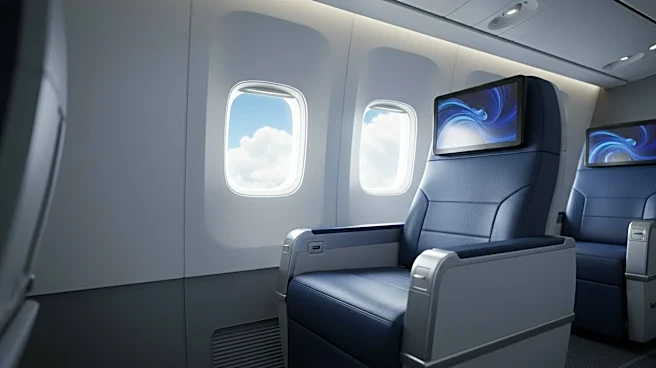
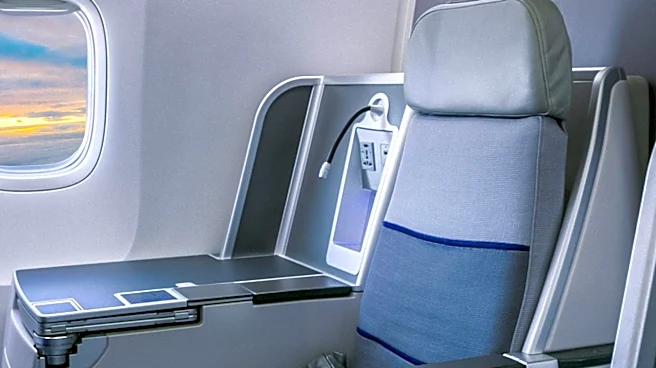
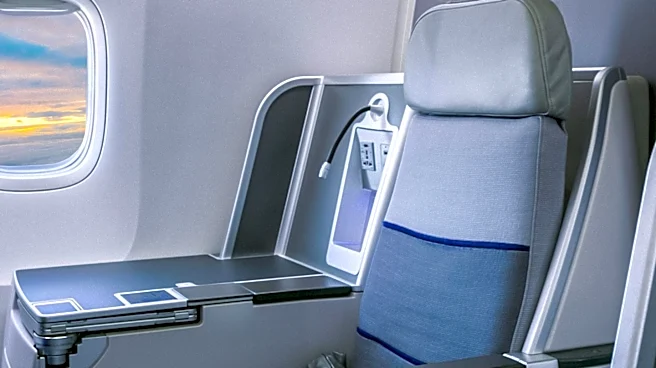
American Airlines is undertaking a significant cabin upgrade across more than 800 narrowbody aircraft, introducing new entertainment systems with 4K displays, Bluetooth connectivity, and USB-C charging. This overhaul marks a strategic shift for the airline,
which previously relied on passengers streaming entertainment to personal devices on many domestic flights. New aircraft equipped with these systems are expected to arrive in the second half of 2028, with retrofits of existing jets commencing later that year and extending into the early 2030s. The decision was driven by evolving customer preferences, particularly among younger travelers who expect access to multiple devices and larger screens. Additionally, American Airlines plans to install high-speed Starlink Wi-Fi on its narrowbody aircraft starting in 2027. The airline is also increasing the number of higher-priced premium seats, aiming for approximately 40% of seats on narrowbody departures to be premium in the coming years, up from the current 25%.
Why It's Important?
This extensive cabin upgrade by American Airlines is a critical move in the competitive airline industry, particularly in the battle for premium passengers. By investing in advanced in-flight entertainment and connectivity, American Airlines aims to enhance the customer experience, differentiate itself from competitors, and potentially increase revenue through improved passenger satisfaction and willingness to pay for premium services. The shift towards more premium seating reflects a broader industry trend where airlines are focusing on higher-yield customers. This strategy could lead to increased profitability for American Airlines and influence other carriers to follow suit, driving a wave of cabin enhancements across the U.S. airline sector. The integration of high-speed Wi-Fi also addresses a key pain point for modern travelers, making air travel more productive and enjoyable.
What's Next?
The first new aircraft featuring these upgrades are anticipated to be delivered in the second half of 2028, with retrofits of existing narrowbody jets beginning shortly thereafter. The full implementation of the retrofit program is expected to continue into the early 2030s, meaning passengers will experience these changes gradually. American Airlines will likely monitor customer feedback and market response to these enhancements to inform future investment decisions. Competitors will be closely watching American's strategy, and if successful, it could trigger similar investments in cabin upgrades and premium seating across the industry. The airline will also continue its efforts to install Starlink Wi-Fi, further enhancing its connectivity offerings. This long-term investment signals American Airlines' commitment to modernizing its fleet and improving the overall passenger journey.
Beyond the Headlines
American Airlines' investment in cabin upgrades goes beyond mere comfort; it reflects a deeper understanding of the evolving digital lifestyle of modern travelers. The integration of 4K displays, Bluetooth, and USB-C charging acknowledges that air travel is no longer just about transportation but also about maintaining connectivity and entertainment seamlessly. This move could redefine passenger expectations for in-flight experiences, pushing airlines to innovate further in areas like personalized content, interactive services, and digital integration. The increase in premium seating also highlights a growing segmentation in the travel market, where airlines cater to different tiers of customers with varying expectations and willingness to pay. This could lead to a more stratified flying experience, with significant differences between economy and premium cabins, and potentially influence aircraft design and route planning in the long term.