

What's Happening?
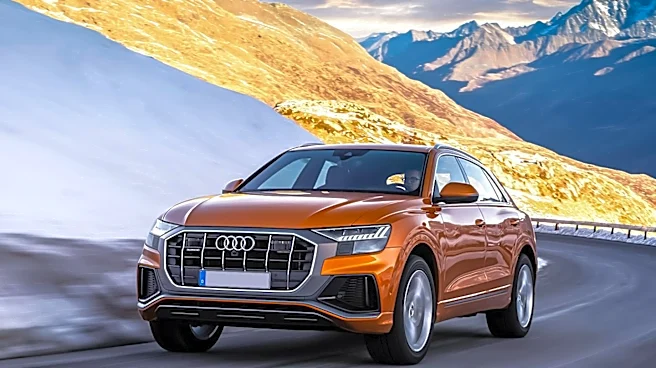
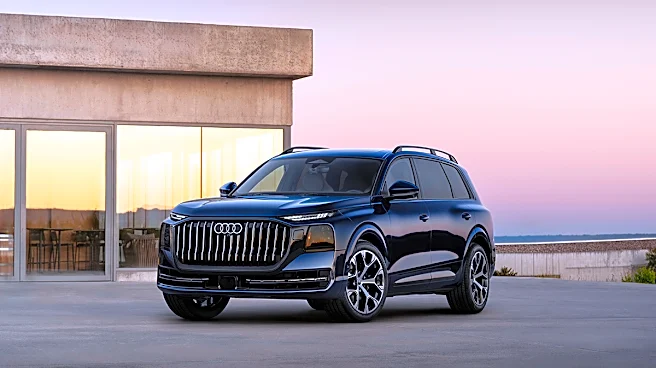
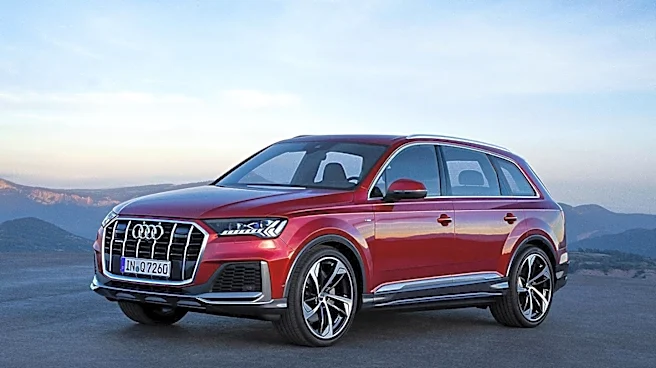
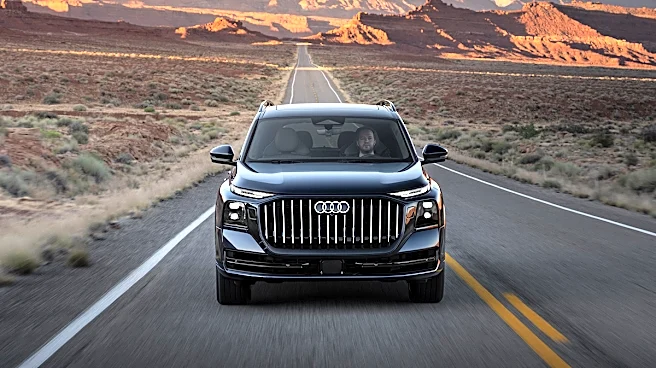
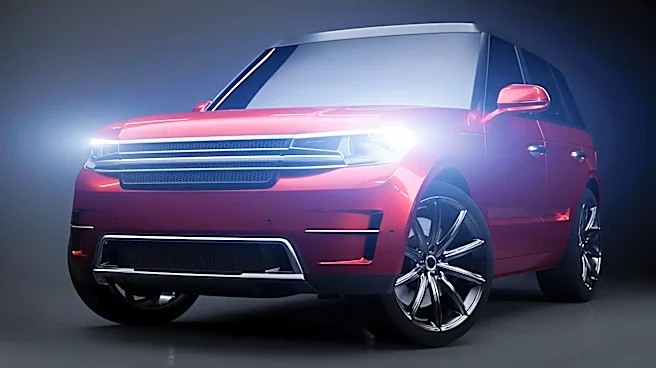
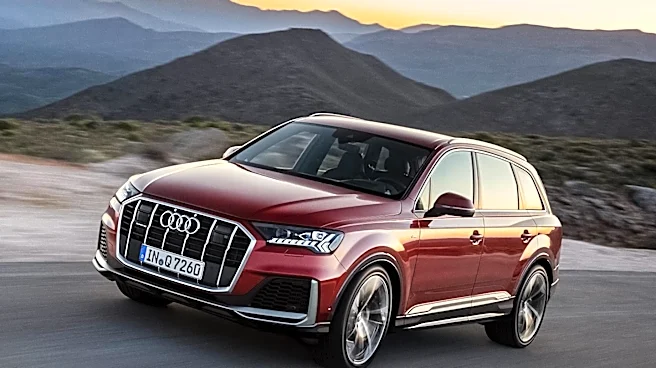
Audi has unveiled its latest model, the Q9, which is being touted as the largest Audi ever produced. The vehicle measures 5.31 meters in length and 2.21 meters in width, making it significantly larger than standard parking spaces and too wide for many
urban width restrictors, particularly in cities like London. The Q9 is designed to offer luxury and advanced features, including a bold grille design, adaptive air suspension, and rear-wheel steering to enhance maneuverability. Despite its size, the Q9 is equipped with a 3.0-liter turbodiesel engine and mild-hybrid technology, aiming to balance performance with efficiency.
Why It's Important?
The introduction of the Audi Q9 highlights the ongoing trend of increasing vehicle sizes in the luxury SUV market. This trend poses challenges for urban infrastructure, which is often not designed to accommodate such large vehicles. The Q9's size may limit its practicality in densely populated areas, affecting its appeal to urban consumers. However, it also represents Audi's commitment to providing high-end features and comfort, appealing to consumers seeking luxury and status. The vehicle's launch may influence other automakers to consider similar designs, potentially impacting urban planning and environmental policies.
What's Next?
As the Audi Q9 enters the market, its reception will be closely monitored by industry analysts and competitors. Audi may need to address potential criticisms regarding the vehicle's size and environmental impact, possibly leading to future design adjustments or the introduction of more compact models. Urban areas may also need to consider infrastructure adaptations to accommodate larger vehicles, such as wider parking spaces and roadways. The Q9's performance in the market will provide insights into consumer preferences and the future direction of the luxury SUV segment.