
What's Happening?
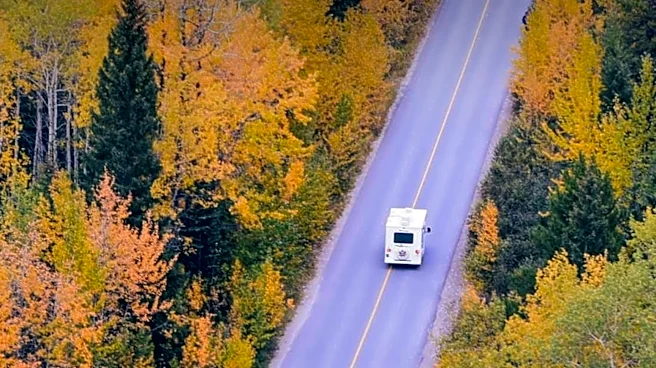
The East Coast of the United States provides numerous fall road trip opportunities that emphasize engaging stops and experiences in addition to scenic autumn foliage. These routes encourage travelers to explore
local attractions such as historic towns, orchards, waterfalls, and unique natural sites. Examples include Maine's Rangeley Lakes National Scenic Byway, which features mountain overlooks and small-town charm, and New Hampshire's Kancamagus Highway, known for its White Mountain views and river scenery. Massachusetts offers the Mohawk Trail Scenic Byway, combining natural beauty with cultural stops like MASS MoCA. Connecticut's Route 169 in the Quiet Corner showcases a classic New England landscape of farmhouses and villages. Further south, New York's Hudson Valley drive from Hudson to Hyde Park blends historic estates with farm experiences, while Pennsylvania Route 6 from Wellsboro to Coudersport highlights the Pine Creek Gorge and dark sky viewing. Maryland's Frederick County offers a covered bridge tour alongside the Catoctin Mountains, and Virginia's Route 11 through the Shenandoah Valley provides a journey through historic communities. Finally, the North Georgia mountains route from Helen to Dahlonega winds through national forests and state parks. These diverse options cater to various interests, encouraging travelers to linger and discover hidden gems.
Why It's Important?
These curated East Coast fall road trip suggestions are important for the U.S. tourism and hospitality industries, particularly in rural and historically significant regions. By highlighting attractions beyond just leaf-peeping, the recommendations encourage longer stays and increased spending in local economies. Small businesses, including restaurants, shops, orchards, and museums in towns along these routes, stand to gain from the influx of visitors. The emphasis on 'lingering' and exploring local culture supports sustainable tourism practices, distributing economic benefits more broadly than transient scenic drives. For example, the mention of specific local businesses like Route 11 Potato Chips in Virginia or Rose Hill Farm in New York directly promotes these enterprises. Furthermore, by encouraging travelers to check state foliage reports and plan for less crowded times, the guide helps manage visitor flow, potentially reducing congestion in popular areas and enhancing the overall experience for tourists. This approach also promotes the preservation of natural and historical sites by encouraging respectful engagement with the environment and local heritage.
What's Next?
Travelers planning fall road trips on the East Coast are advised to consult state foliage reports shortly before their trips, as peak color changes with weather, latitude, and elevation. This will help optimize their chances of experiencing vibrant autumn leaves. For popular routes like the Kancamagus Highway, visiting on weekdays or early mornings is recommended to avoid heavy traffic. Many historic attractions along these routes operate on seasonal schedules, so checking opening days in advance is crucial for those planning to incorporate specific stops. For experiences like apple picking or visiting farm taprooms, it's important to verify crop conditions and operating hours. Those interested in stargazing, such as at Cherry Springs State Park in Pennsylvania, should check weather forecasts for clear skies and consider overnight stays. The article also suggests using designated parking areas at scenic spots and covered bridges to ensure safety and avoid obstructing traffic. Local communities and tourism boards will likely continue to promote these routes, potentially updating information on local events and conditions to enhance the visitor experience.
Beyond the Headlines
The emphasis on 'lingering' and exploring local attractions beyond just the scenic drive itself points to a broader shift in travel trends towards more immersive and experiential tourism. This approach encourages travelers to connect more deeply with the culture, history, and natural environment of the regions they visit, moving beyond superficial sightseeing. It highlights the value of slow travel, where the journey and its unexpected discoveries become as important as the destination. This trend can foster a greater appreciation for regional distinctiveness and support the economic viability of smaller, often overlooked communities. Ethically, it promotes responsible tourism by encouraging visitors to engage with local businesses and respect local customs, rather than simply passing through. Culturally, it helps preserve and celebrate regional heritage, from historic architecture and farm traditions to unique natural phenomena like dark skies. This type of travel can also lead to a more profound personal experience, offering opportunities for reflection and connection with nature and local life, which is increasingly sought after in a fast-paced world.