




What's Happening?
The U.S. grid is seeing significant advancements in modernization efforts, particularly through the integration of energy storage and distributed energy resources (DERs). Since President Trump declared an energy emergency in 2025, the natural gas industry
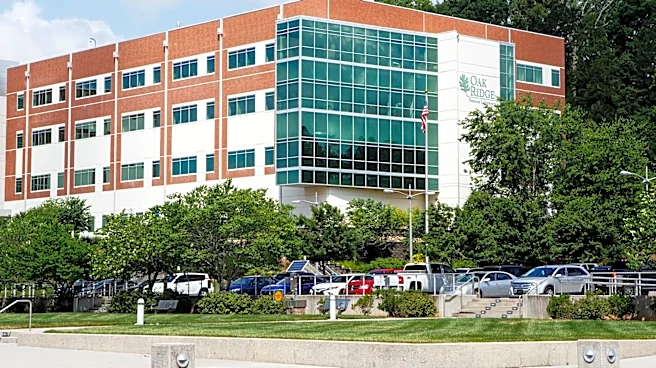
has struggled to contribute new power plants, highlighting the need for alternative solutions. The U.S. Department of Energy continues to support energy storage technologies, which are crucial for enhancing grid reliability and resilience. A notable development is the partnership between Viridi, a battery startup, and Oak Ridge National Laboratory, focusing on testing and validating new systems for coordinating DERs. This collaboration is part of broader efforts to incorporate more wind, solar, and storage into the grid.
Why It's Important?
The shift towards renewable energy and energy storage is critical for reducing reliance on fossil fuels and addressing energy emergencies. By supporting technologies that enhance grid resilience, the U.S. can better manage energy demand and supply fluctuations. The integration of DERs and energy storage not only improves grid stability but also supports the transition to a cleaner energy future. These advancements are essential for meeting increasing electricity demands driven by factors such as the rise of artificial intelligence and the electrification of transportation and heating.
What's Next?
As grid modernization efforts continue, further developments in energy storage and DERs are expected. The ongoing collaboration between Viridi and ORNL may lead to new innovations in grid management and energy storage solutions. Additionally, initiatives like the Accelerating Resilient Infrastructure Initiative, which Viridi is part of, aim to enhance community-based DERs. These efforts will likely contribute to a more resilient and sustainable energy infrastructure in the U.S.