




What's Happening?
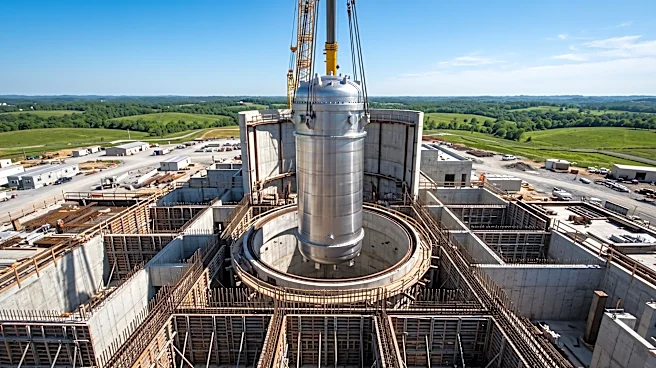
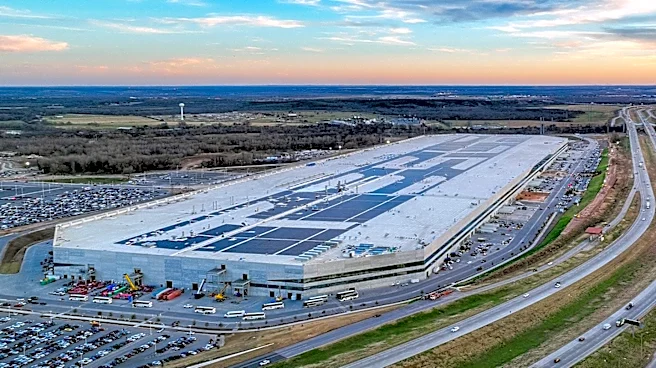
Ultium Cells, a joint venture between General Motors (GM) and LG Energy Solution, is set to invest $1 billion in its battery factory located in Spring Hill, Tennessee. This substantial investment aims to upgrade the facility for the production of a new
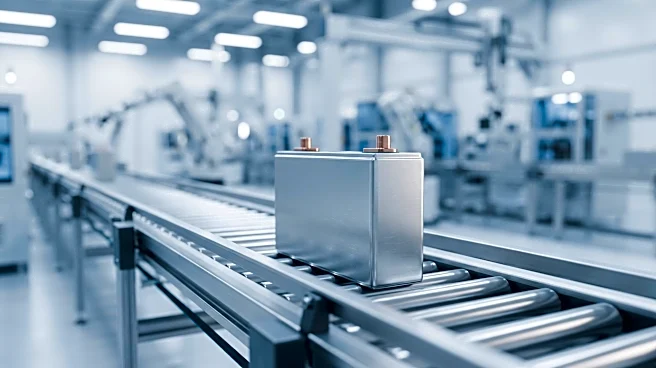
type of battery cell for GM's electric vehicles. The expansion is projected to create 500 new jobs, increasing the plant's total workforce to 1,700. The factory will be retooled to produce lithium manganese-rich (LMR) battery cells, with construction and facility upgrades expected to commence later this year and conclude in 2028. Ultium Cells anticipates that Spring Hill will become the first factory globally to mass-produce prismatic LMR cells, which are designed to offer 33% greater energy density than lithium iron phosphate batteries at a comparable cost.
Why It's Important?
This $1 billion investment by Ultium Cells is a critical development for the U.S. electric vehicle industry, signaling a significant step towards advanced battery technology and domestic manufacturing capabilities. The production of LMR cells, which utilize more manganese—a less expensive material than cobalt—could lead to lower battery costs without compromising performance. This innovation is crucial for making electric vehicles more affordable and accessible to a wider consumer base, thereby accelerating EV adoption in the U.S. The expansion also reinforces the commitment of GM and LG Energy Solution to building a robust domestic supply chain for EVs, reducing reliance on foreign sources and creating high-tech manufacturing jobs in Tennessee. This move could also set a precedent for other automakers to invest in similar advanced battery technologies and production facilities within the United States.
What's Next?
Construction and facility upgrades at the Spring Hill plant are scheduled to begin later this year and are expected to be completed by 2028. Once operational, the factory will mass-produce prismatic LMR cells, initially targeting electric trucks and full-size SUVs. This new battery chemistry will complement GM's existing battery types, providing the automaker with more versatile options for different vehicle segments. The creation of 500 new jobs will necessitate recruitment and training efforts, further boosting the local economy in Spring Hill. The success of this LMR cell production could influence future battery development strategies across the industry, potentially leading to more widespread adoption of manganese-rich chemistries. Additionally, the plant will continue to support an existing energy storage battery program, broadening its impact beyond just electric vehicles.
Beyond the Headlines
The investment in LMR battery technology at the Spring Hill plant represents a strategic pivot in the quest for sustainable and cost-effective electric vehicle solutions. By leveraging more abundant and less expensive materials like manganese, the industry can mitigate some of the ethical and supply chain challenges associated with cobalt. This technological advancement could democratize EV ownership by lowering production costs, making electric vehicles more competitive with traditional internal combustion engine cars. Furthermore, the focus on energy density at a comparable cost highlights the ongoing innovation in battery science, pushing the boundaries of what's possible in energy storage. This development also underscores the importance of public-private partnerships in driving industrial growth and technological progress, with significant implications for national energy policy and environmental goals.