





What's Happening?
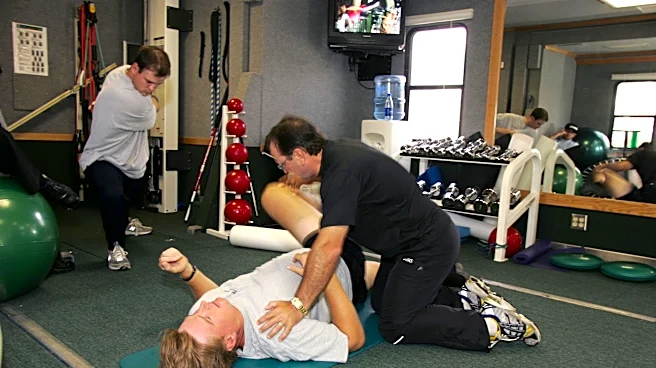
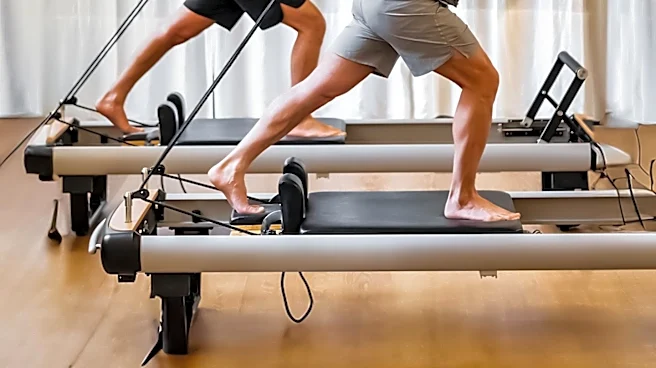
Mobility training is gaining recognition for its role in improving overall fitness by activating key muscles before workouts, enhancing posture, form, and technique, and ultimately increasing strength and power. This type of training also significantly
reduces the risk of injury. Mobility exercises can be performed with or without equipment and include activities such as calf raises, hip mobility movements, and dynamic stretching. For instance, dynamic stretching, a form of mobility training, has been shown to decrease injury risk. The benefits extend to optimizing recovery and alleviating pain and muscle soreness. By increasing the range of motion in muscles and joints, mobility training helps individuals better utilize their muscles and optimize their training outcomes.
Why It's Important?
The emphasis on mobility training highlights a shift towards a more holistic approach to fitness, moving beyond just strength and cardio. For individuals in the U.S., incorporating mobility training can lead to more effective workouts and a reduced likelihood of injuries, which can have significant personal and economic impacts. Fewer injuries mean less time away from work or daily activities and potentially lower healthcare costs. For the fitness industry, this trend could drive demand for specialized mobility programs, equipment, and trainers. Athletes and general fitness enthusiasts alike stand to gain from improved performance and longevity in their physical activities, fostering a healthier and more active population. Businesses in the health and wellness sector may see increased opportunities in offering mobility-focused products and services.
What's Next?
As awareness of the benefits of mobility training grows, it is likely to become a more integrated component of standard fitness routines and gym offerings across the U.S. We can anticipate an increase in specialized classes, workshops, and digital content focused on mobility. Fitness professionals may seek further certifications in this area, leading to a more skilled workforce. Equipment manufacturers might also innovate to create new tools designed specifically for mobility enhancement. Furthermore, research into the long-term benefits and optimal practices for mobility training is expected to continue, refining current approaches and potentially leading to new methodologies. This ongoing development will likely solidify mobility training's position as a fundamental aspect of comprehensive fitness.
Beyond the Headlines
Beyond the immediate physical benefits, the rise of mobility training reflects a broader cultural shift towards preventative health and well-being. It underscores the understanding that fitness is not solely about intense exertion but also about the body's functional capacity and resilience. This perspective can influence public health initiatives, encouraging individuals to adopt practices that support long-term physical health rather than just short-term performance gains. Ethically, it promotes a more sustainable approach to exercise, reducing the pressure to constantly push limits at the expense of bodily integrity. Legally, a decrease in exercise-related injuries could potentially impact insurance claims and liability within fitness establishments, emphasizing the importance of proper training and injury prevention.