





What's Happening?
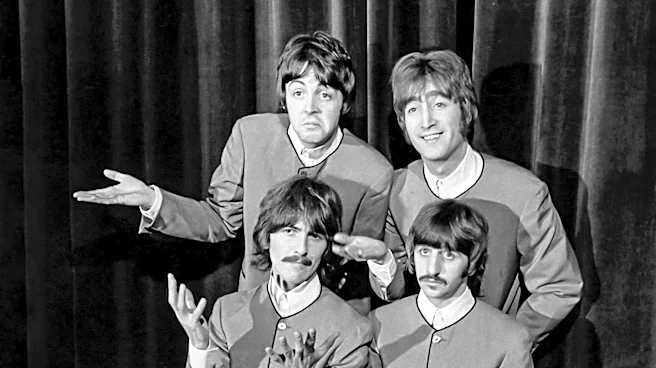
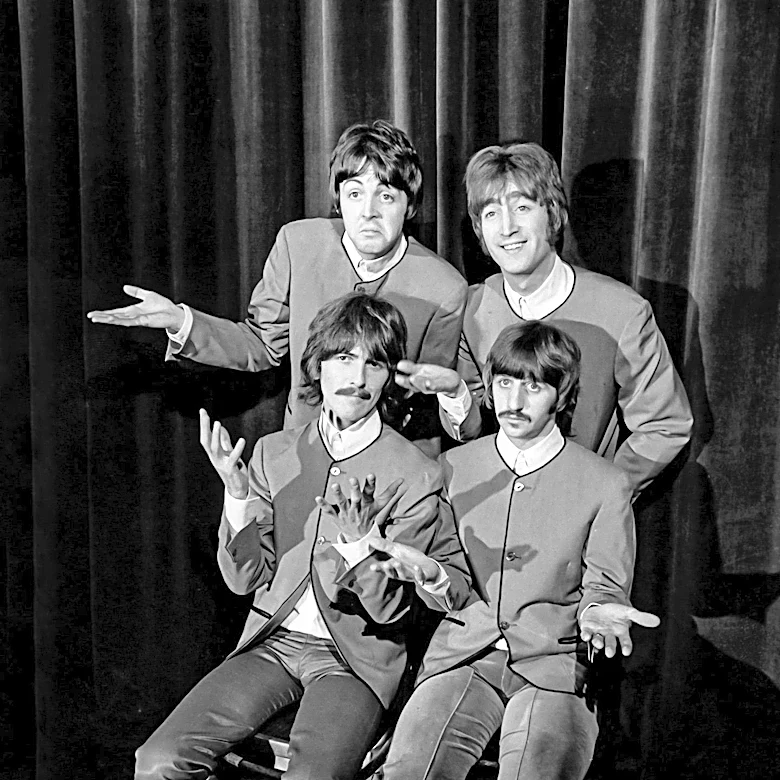
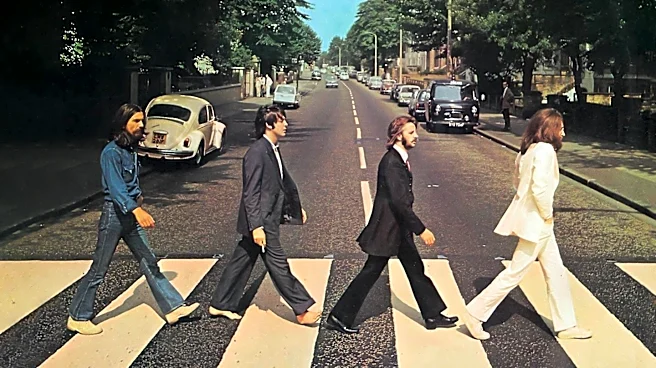
The Beatles, comprising John Lennon, Paul McCartney, George Harrison, and Ringo Starr, profoundly transformed pop music from their formation in the late 1950s until their breakup in 1970. They consistently pushed the boundaries of what was achievable
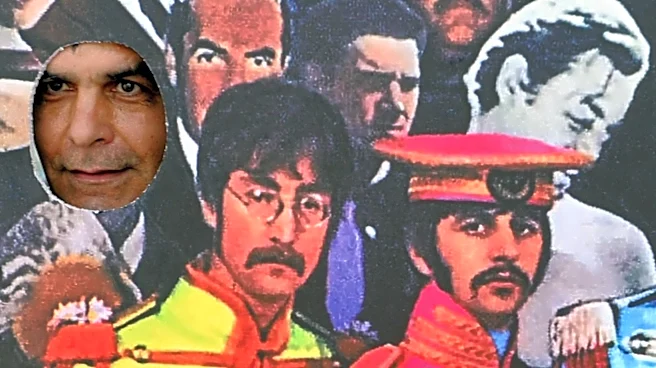
in pop, evolving from rock & roll to creating complex, multi-textured albums like 'Revolver' and 'Sgt. Pepper's Lonely Hearts Club Band.' The band is recognized for setting new standards in record production and for being among the first major rock bands to write their own material. Many of their compositions, primarily by Lennon and McCartney with contributions from Harrison, have become timeless standards, covered by artists across various genres for decades.
Why It's Important?
The Beatles' impact on the U.S. music industry and global culture is immense. Their arrival in America, notably on 'The Ed Sullivan Show' in 1964, ignited 'Beatlemania' and reshaped the landscape of popular music. They demonstrated the commercial viability of self-written material, influencing countless artists to become songwriters as well as performers. Their innovative use of studio technology, particularly with producer George Martin, transformed recording into an art form, leading to more experimental and sophisticated album productions. This legacy continues to drive sales of their catalog, inspire new musicians, and influence music production techniques, making them a perpetual economic and creative force in the entertainment sector.
What's Next?
The enduring popularity of The Beatles' music ensures continued revenue streams through streaming, reissues, and licensing deals. Their catalog remains a significant asset in the music industry, with ongoing potential for new compilations, remastered editions, and documentary projects. The influence of their songwriting and production techniques will likely persist in music education and contemporary music production. Future generations of artists will continue to draw inspiration from their innovative approaches, ensuring their legacy remains relevant. Discussions and analyses of their work will also continue in academic and popular culture, solidifying their place as a cornerstone of modern music.
Beyond the Headlines
Beyond their musical innovations, The Beatles' cultural impact extended to fashion, social attitudes, and youth movements, particularly in the U.S. Their ability to connect with a massive audience transcended mere entertainment, fostering a sense of global community and shared experience. The band's evolution from simple rock and roll to more complex, introspective themes mirrored and influenced societal changes of the 1960s. Their story also highlights the complexities of creative partnerships and the challenges of maintaining artistic unity amidst immense fame and personal growth, offering a case study in the dynamics of successful, yet ultimately finite, collaborations.