


What's Happening?
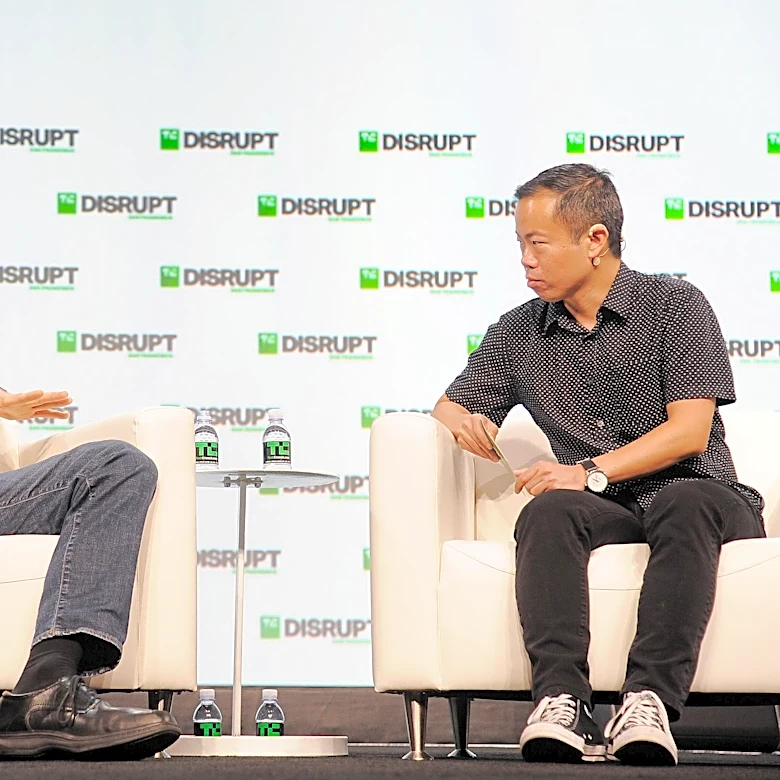
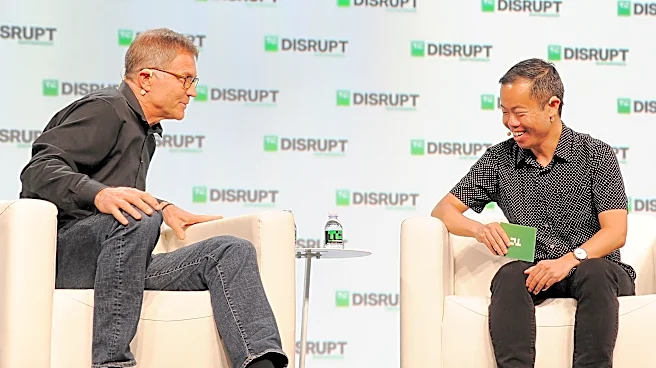
Rev Lebaredian, Vice President of Physical AI Simulation at NVIDIA, has highlighted Armenia's potential to become a significant player in the global technology market, particularly in artificial intelligence. Lebaredian suggests that Armenia can leverage
its surplus electricity by converting it into computing power and intellectual resources, which are in high demand worldwide. He proposes that instead of exporting electricity, which is difficult to store and transport efficiently, the country can use this energy to produce 'tokens'—small pieces of text generated by AI computers. These tokens, akin to a finished product like cheese from milk, can be easily sold on the international market, adding significant value to Armenia's energy resources. This strategy aims to transform Armenia from a raw material exporter to a producer of high-value AI services and intelligence.
Why It's Important?
This initiative is important for the U.S. and global technology landscape as it signifies a potential shift in how countries with energy surpluses can contribute to the burgeoning AI industry. By converting electricity into AI-driven computational output, Armenia could establish itself as a hub for AI development and services, potentially diversifying the global supply chain for AI resources. For U.S. companies and consumers, this could mean access to a broader range of AI services and potentially more competitive pricing due to increased global capacity. The model proposed by Lebaredian, where AI supercomputers act as 'factories' rather than mere data 'warehouses,' could also inspire other nations to explore similar strategies, fostering innovation and economic growth in the AI sector worldwide. This approach could also create new job markets and revenue streams through taxes and exports for participating countries.
What's Next?
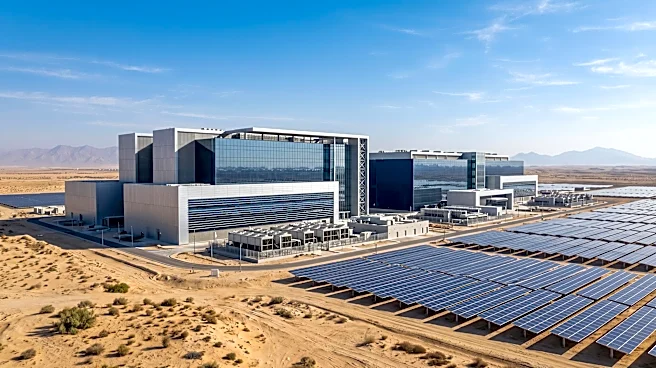
Concrete projects are already underway to realize this vision in Armenia. A $500 million AI factory is being constructed through a joint effort involving Firebird, NVIDIA, Team Group, and the Armenian government. The Minister of High-Tech Industry, Mkhitar Hayrapetyan, has committed up to 100 megawatts of power for this project. Plans indicate that by the end of 2027, Armenia's infrastructure will expand to include over 70,000 NVIDIA Blackwell and Rubin GPUs and 300 MW of capacity. Lebaredian anticipates that once 50,000 GPUs are operational by the end of the year, Armenia will rank among the top five countries globally in terms of GPU count. The first site, Firebird's AI factory, is already operational, marking a significant step towards Armenia's integration into the global AI market.
Beyond the Headlines
The concept of transforming surplus energy into AI computational power raises deeper implications regarding energy consumption and economic development. While the initiative promises economic benefits for Armenia, it also highlights the growing energy demands of AI, a concern Lebaredian himself has acknowledged. The public debate around who will bear the costs of this massive electricity consumption, and whether it will impact ordinary consumers, remains a critical ethical and economic consideration. Furthermore, NVIDIA's role as a technology supplier and partner, rather than an operator of these data centers, underscores a model of distributed AI infrastructure development. This approach could empower local and diaspora companies to build and manage these facilities, fostering indigenous technological capabilities and reducing reliance on foreign operational control, while still leveraging global technology expertise.