






What's Happening?
Active recovery involves performing low-intensity movements on rest days or between strenuous workout sessions. This approach aims to enhance blood flow and facilitate recovery without imposing significant additional training stress on the body. Activities
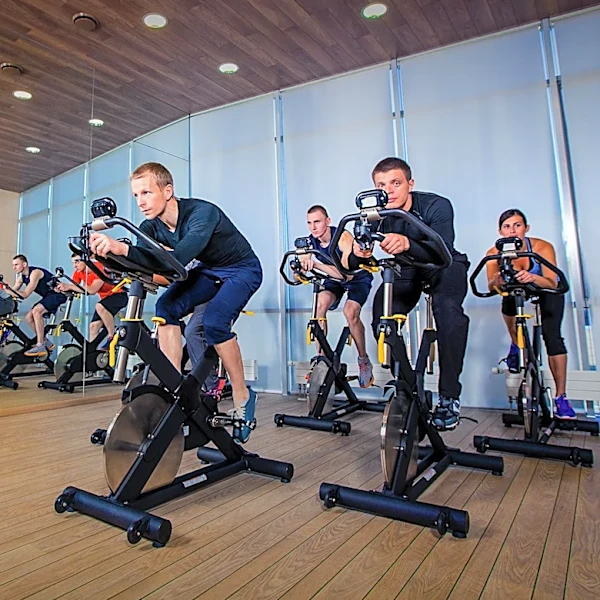
such as walking, cycling, or gentle stretching are examples of active recovery. The primary goal is to increase circulation, which helps reduce stiffness and manage muscle soreness, thereby supporting consistent training progress. Unlike progressive resistance training, active recovery does not focus on building strength but rather on maintaining the body's readiness for subsequent demanding workouts. This method is a key component of a comprehensive fitness regimen, ensuring the body can repair and adapt effectively.
Why It's Important?
Incorporating active recovery into a fitness routine is crucial for optimizing physical performance and preventing injuries. By promoting blood flow, active recovery helps deliver essential nutrients and oxygen to muscles while aiding in the removal of metabolic byproducts, which can contribute to soreness. This process allows the body to repair and rebuild more efficiently, leading to improved stamina and overall performance in the long run. Neglecting recovery can result in persistent muscle soreness, decreased performance, and an increased risk of strain or injury. Therefore, active recovery supports the body's ability to absorb the benefits of training, fostering a stronger foundation for future workouts and contributing to sustained fitness progress.
What's Next?
Individuals can integrate active recovery by scheduling light activities like walking or gentle cycling on their rest days or as cool-down routines after intense workouts. Fitness professionals and trainers are likely to continue emphasizing the importance of active recovery as a fundamental aspect of training programs. Further research may explore more specific protocols and optimal durations for various active recovery methods to maximize their benefits. Athletes and fitness enthusiasts are encouraged to listen to their bodies and adjust the intensity and type of active recovery to suit their individual needs and recovery goals, ensuring a balanced approach to their fitness journey.
Beyond the Headlines
The concept of active recovery extends beyond mere physical benefits, touching upon the psychological aspects of training. By engaging in light, enjoyable activities, individuals can maintain a sense of accomplishment and routine, which can be beneficial for mental well-being and motivation. It challenges the traditional view that recovery solely means complete rest, highlighting a more dynamic and proactive approach to physical health. This shift in perspective can help individuals develop a more sustainable and holistic relationship with exercise, recognizing recovery as an integral part of the training process rather than an optional add-on. It also underscores the body's intricate mechanisms for self-repair and adaptation, which can be optimized through mindful movement.