





What's Happening?
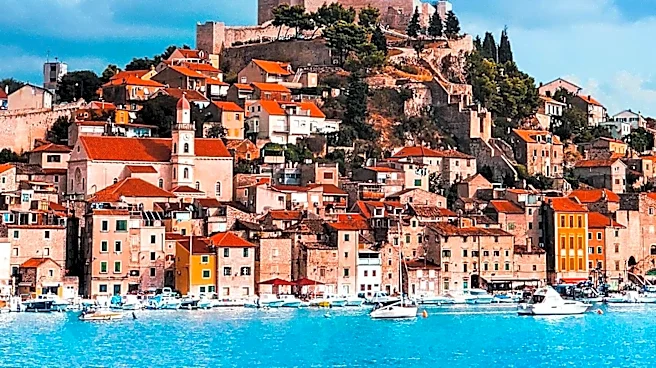
European travel expert Rick Steves is advising travelers to explore the less-traveled Croatian hill towns, particularly on the Istrian Peninsula, as an alternative to the country's increasingly popular and crowded coastal areas. While destinations like
Dubrovnik and Šibenik on the Adriatic coast are well-known for their beauty, their popularity has led to significant tourist congestion. Steves highlights the Istrian Peninsula, characterized by vineyards, olive farms, and towns with Roman and Venetian architectural influences. He specifically recommends Grožnjan, an artist-rejuvenated town with cobbled streets and olive groves, and Motovun, a picturesque fortress town known for its scenic views and truffle shops. Other suggested towns include Buje, referred to as the 'Sentinel of Istria' with Venetian-style architecture, and Hum, recognized as the world's smallest town. Gračišće, a hilltop town with a unique district-based design and Romanesque gates, is also mentioned for its historical significance and local cuisine.
Why It's Important?
This recommendation from a prominent travel figure like Rick Steves could significantly impact tourism patterns in Croatia, potentially diverting some of the tourist traffic from over-saturated coastal regions to inland areas. For U.S. travelers, this offers an opportunity to experience a different, more authentic side of Croatia, avoiding the typical tourist traps and potentially finding more affordable accommodations and experiences. Local economies in these smaller, less-visited hill towns could see a boost in tourism revenue, supporting local businesses, artists, and culinary traditions. Conversely, the continued focus on coastal areas by the majority of tourists contributes to environmental strain and cultural dilution in those regions. By promoting alternative destinations, Steves encourages a more sustainable and distributed tourism model, which could benefit both the environment and the local communities in the long run, while offering a richer cultural experience for visitors.
What's Next?
Following Rick Steves' recommendations, it is likely that more U.S. and international travelers will begin to explore Croatia's Istrian hill towns. This could lead to increased demand for travel services, accommodations, and local tours in these areas. Local tourism boards in Istria may capitalize on this attention by developing new marketing campaigns and infrastructure to accommodate a growing number of visitors, while striving to maintain the authentic charm that makes these towns appealing. There might also be a trend among other travel influencers and agencies to highlight similar 'off-the-beaten-path' destinations, further diversifying global travel patterns. However, increased tourism also brings challenges, such as the need for careful management to prevent over-tourism and preserve the unique character of these small towns. Local authorities will need to balance economic benefits with conservation efforts to ensure sustainable growth.
Beyond the Headlines
The shift in travel recommendations towards less-known destinations reflects a broader trend in the tourism industry, moving away from mass tourism towards more experiential and sustainable travel. This trend is driven by travelers seeking authentic cultural immersion and a desire to avoid the environmental and social impacts of over-tourism in popular spots. The promotion of places like the Croatian hill towns highlights the value of preserving local heritage, traditional crafts, and unique regional identities. It also underscores the role of influential figures like Rick Steves in shaping global travel narratives and consumer choices. This movement could inspire other countries to promote their own hidden gems, fostering a more diverse and resilient global tourism landscape. Ultimately, it encourages a more thoughtful approach to travel, emphasizing cultural exchange and environmental responsibility over mere sightseeing.