







What's Happening?
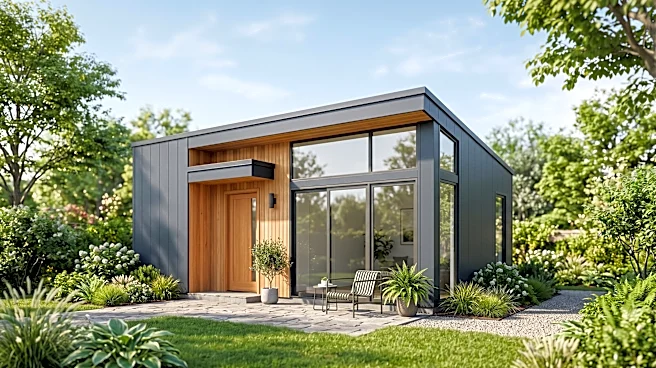
Nestadu, a California-based ADU builder, has launched its 'Nest series' of prefabricated Accessory Dwelling Units (ADUs), designed to be delivered fully assembled to backyards across California. This series includes four models, ranging from a 200-square-foot
studio (the Nest) to a 638-square-foot two-bedroom unit (the Nest Two). The smallest model, the Nest Studio, is 330 square feet and features a full bath, kitchen, and all-electric design, suitable for a single occupant. These units are constructed off-site in a factory, which aims to reduce disruption at the homeowner's property and ensure consistent quality. Nestadu manages the entire process, including design, permitting, and installation, with a lead time of approximately 8 to 10 months. The company emphasizes the convenience of choosing a pre-designed floor plan and the efficiency of factory construction over traditional site-built methods.
Why It's Important?
The introduction of Nestadu's prefabricated ADUs is significant for California homeowners, particularly given the state's ADU-friendly laws aimed at addressing housing shortages. These units offer a more accessible and less disruptive option for adding living space, whether for a home office, guest room, aging parents, or rental income. The streamlined process, from design to installation, removes much of the complexity and guesswork associated with traditional construction. This approach can help increase housing density in existing neighborhoods without requiring extensive new land development. By providing clear pricing and yard space requirements, Nestadu empowers homeowners to plan effectively, potentially stimulating the ADU market and offering practical solutions for diverse housing needs in a high-cost-of-living state.
What's Next?
Homeowners in California interested in adding an ADU can explore Nestadu's Nest series, with lead times for delivery and installation estimated at 8 to 10 months. Prospective buyers will need to assess their yard space against the specific requirements of each model and consider factors like utility connections and site accessibility for delivery. Nestadu's online estimator can help determine potential costs, which vary based on location, materials, and equipment. The company also provides resources on ADU financing and guidance on California's ADU regulations. The success and adoption of these prefabricated units could influence other builders and states to adopt similar streamlined approaches to ADU construction, potentially expanding the availability of affordable and flexible housing options nationwide.
Beyond the Headlines
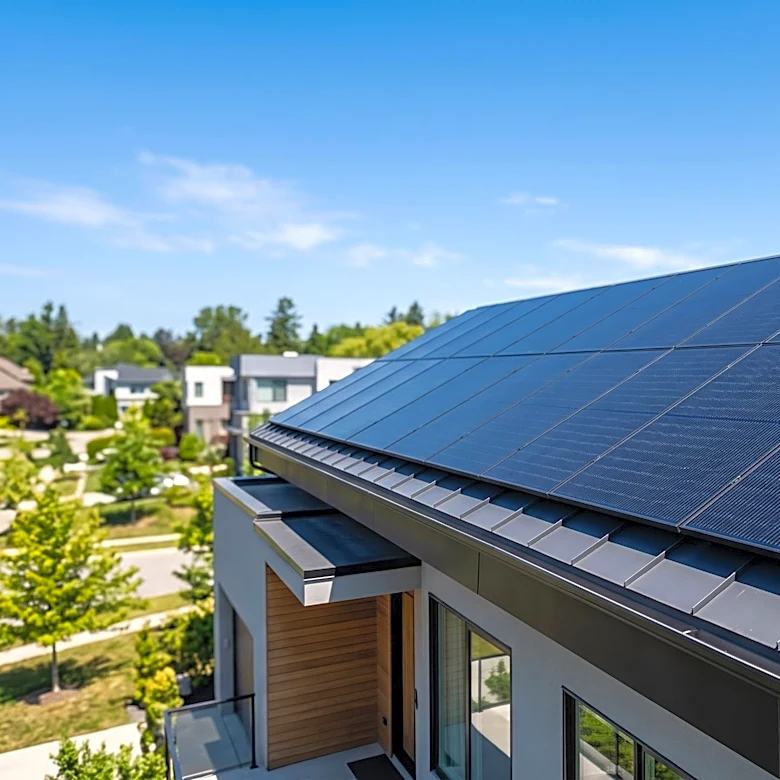
The rise of prefabricated ADUs like Nestadu's Nest series reflects a broader trend towards modular and efficient construction methods in the U.S. housing market. This approach not only addresses immediate housing needs but also has implications for sustainability, as factory construction can reduce waste and improve energy efficiency. The all-electric design of Nestadu's larger models aligns with environmental goals, simplifying installation by avoiding gas lines and pairing well with rooftop solar. Furthermore, the emphasis on pre-designed, customizable interiors and transparent pricing models could set new standards for consumer expectations in the ADU market. This shift could empower more homeowners to invest in additional living spaces, fostering multi-generational living arrangements and contributing to more resilient and adaptable communities.