




What's Happening?
Interior designers Kate Marker and Jessica Kain Barton are advocating for a layered approach to lighting in dressing rooms, moving beyond sole reliance on recessed lighting. Marker, who recently launched her own lighting collection, stresses the importance
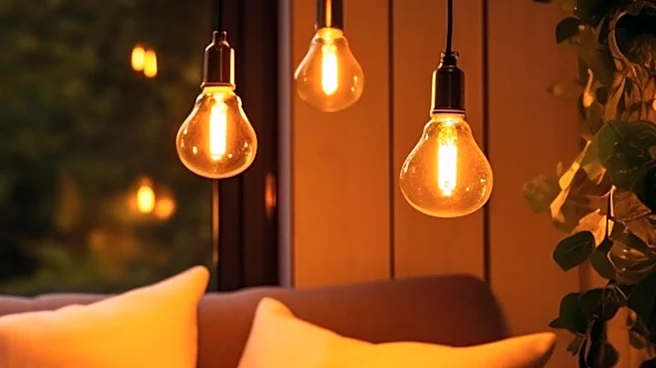
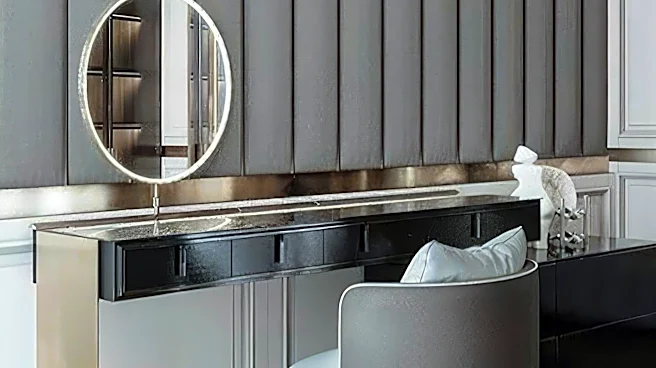
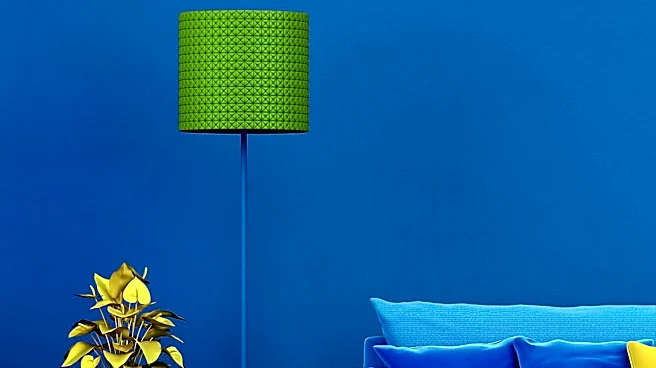
of combining ambient and task lighting to create a space that is both warm and functional. She suggests using a larger, more decorative ceiling fixture, such as a pendant or petite chandelier, as the 'jewelry' of the room. Barton concurs, recommending chandeliers, lanterns, or flush mounts with at least three or four candle bulbs for adequate illumination. Both designers also favor sconces, particularly when flanking a mirror or as small library sconces for a makeup vanity, to provide flattering, face-level light that minimizes shadows. They advise against relying solely on recessed lighting, which can create harsh, unflattering shadows, and if used, should be limited to no more than four mud-in style lights no wider than three inches in diameter. The consensus is to prioritize decorative elements that add personality and softness to the space.
Why It's Important?
This shift in interior design philosophy for dressing rooms highlights a broader trend towards creating more personalized and functional intimate spaces within the home. By emphasizing layered and decorative lighting, designers are not just focusing on illumination but also on the emotional and aesthetic experience of getting ready. This approach can significantly impact consumer choices in home decor, driving demand for more varied and specialized lighting fixtures beyond standard recessed options. For lighting manufacturers and retailers, this translates into opportunities to innovate and market products that cater to this nuanced demand for both ambient and task-specific decorative lighting. Homeowners stand to gain more comfortable and visually appealing dressing areas, which can enhance daily routines and overall well-being. The advice also underscores the importance of thoughtful design in even smaller, utilitarian spaces, elevating them to luxurious and personal sanctuaries.
What's Next?
The continued emphasis on personalized and layered lighting in dressing rooms is likely to influence future product development in the home lighting industry. Manufacturers may introduce more diverse lines of decorative pendants, petite chandeliers, and sconces specifically designed for smaller, intimate spaces. Interior design trends will likely continue to showcase these layered lighting schemes, further educating consumers on the benefits of combining different light sources. We can expect to see more integration of smart lighting solutions that allow for easy adjustment of brightness and color temperature, aligning with the designers' recommendation for dimmers. Retailers might also curate specialized collections for dressing rooms, offering complete lighting packages that include ambient, task, and accent lighting options. Educational content from designers and home decor publications will continue to guide homeowners on how to implement these sophisticated lighting strategies in their own spaces.
Beyond the Headlines
The focus on creating a 'boutique-like' experience in dressing rooms reflects a deeper cultural shift towards self-care and the personalization of private spaces. This trend extends beyond mere aesthetics, touching upon psychological aspects of daily routines. A well-lit, inviting dressing room can positively impact mood and confidence, transforming a mundane task into a more enjoyable ritual. Ethically, this approach encourages mindful consumption, moving away from generic, one-size-fits-all lighting solutions towards more tailored and sustainable choices that enhance the longevity and functionality of a space. Legally, as more complex lighting systems are integrated, there may be increased attention to electrical codes and safety standards for layered installations. Culturally, the dressing room is evolving from a purely functional area into a personal sanctuary, mirroring broader societal values that prioritize individual well-being and the creation of meaningful, aesthetically pleasing environments within the home.