





What's Happening?
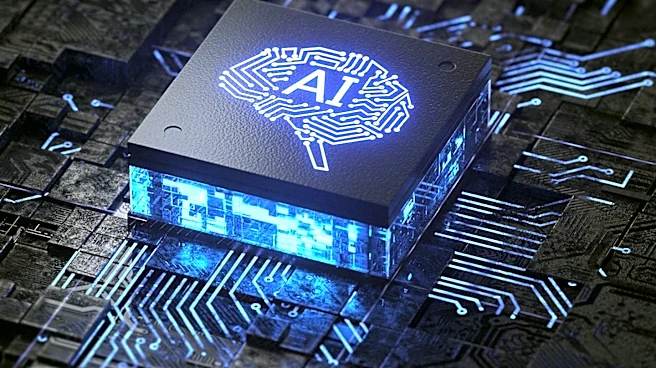
SK ecoplant Materials (SK Materials) announced on October 28 that it has signed a Memorandum of Understanding (MOU) with Japan’s Furukawa Electric Co. This collaboration aims to jointly develop semiconductor materials specifically for artificial intelligence
(AI) data centers. The partnership will leverage the technological capabilities of both companies, with Furukawa Electric focusing on developing new products for semiconductor and data center applications. SK Materials will then evaluate these new materials and facilitate their adoption within the South Korean market. The companies plan to establish a working group to ensure regular technical exchanges and business discussions, and to jointly assess potential applications based on customer demand. This initiative seeks to address the increasingly stringent performance and reliability requirements for materials used in packaging, thermal management, insulation, and communications infrastructure within the rapidly expanding AI and semiconductor industries.
Why It's Important?
This strategic partnership is highly significant for the U.S. and global technology landscape, particularly in the context of AI and data center development. As AI technologies advance, the demand for high-performance and reliable semiconductor materials becomes critical. This collaboration between SK Materials and Furukawa Electric directly addresses this need by focusing on advanced materials that can withstand the intense operational demands of AI data centers. For U.S. companies involved in AI development, data center operations, or semiconductor manufacturing, this partnership could lead to the availability of more advanced and efficient materials, potentially enhancing the performance and reliability of their own products and infrastructure. It also highlights the global nature of the semiconductor supply chain and the importance of international collaborations in driving technological innovation. Companies that can secure access to these cutting-edge materials will gain a competitive edge in the rapidly evolving AI market.
What's Next?
Following the signing of the MOU, SK Materials and Furukawa Electric will proceed with establishing a dedicated working group. This group will be responsible for facilitating technical exchanges, conducting business discussions, and jointly evaluating potential applications for the newly developed materials. The immediate next steps will involve Furukawa Electric initiating the development of new semiconductor materials tailored for AI data centers, while SK Materials will prepare for the evaluation and market integration of these innovations in South Korea. The success of this collaboration will depend on the effective synergy between their respective technological strengths and their ability to meet the evolving demands of the AI and semiconductor industries. Future developments could include the commercialization of these advanced materials, potentially leading to their adoption by major AI and data center operators globally, including those in the U.S.
Beyond the Headlines
The collaboration between SK Materials and Furukawa Electric underscores a deeper trend in the technology sector: the increasing specialization and complexity of materials science in supporting advanced computing. As AI models grow in sophistication and data centers expand, the physical limitations of current materials become more apparent. This partnership represents a proactive step to overcome these limitations, pushing the boundaries of material science to enable the next generation of AI hardware. The ethical implications revolve around the responsible development and deployment of AI, where the underlying hardware's efficiency and sustainability play a crucial role. Furthermore, the strategic importance of such partnerships in securing critical components for advanced technologies highlights the ongoing geopolitical considerations in the global supply chain, emphasizing the need for resilient and diversified sourcing of materials for national technological security and economic stability.