



What's Happening?
Audiobooks are significantly more expensive than e-books or even hardcover books due to the extensive production process involved. Unlike simply converting a manuscript into a digital format, audiobooks require a full production, including professional
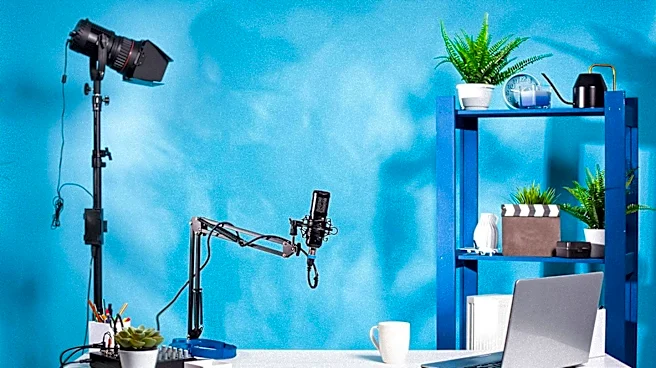
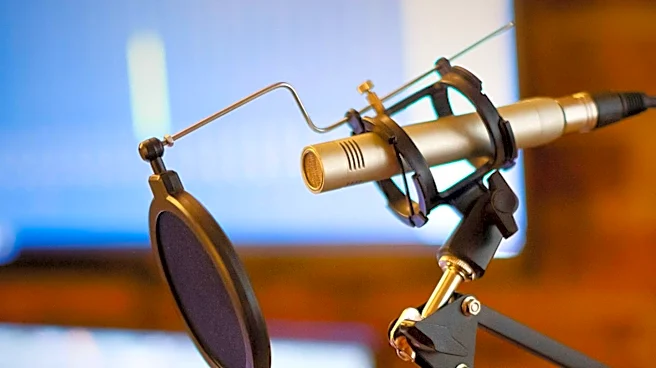
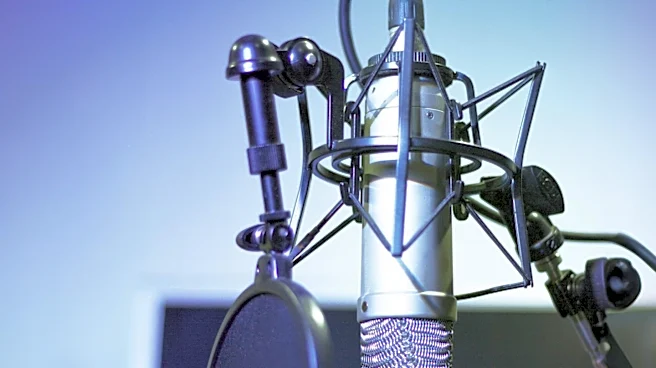
narration, recording, editing, quality control, and distribution. Narrators are often compensated on a 'per finished hour' basis, meaning one hour of a completed audiobook represents considerably more than one hour of actual work. This encompasses the narrator's performance, which includes character understanding, consistent voices, pacing, and emotional conveyance. Additional costs stem from professional studio recording, which may involve studio space, equipment, sound engineers, and directors. Post-production editing is also crucial, as editors and audio engineers remove mistakes, awkward pauses, background noises, and ensure consistent audio levels and correct chapter divisions. The length of an audiobook directly impacts its cost, as longer books demand more narration, recording time, editing, and storage. Furthermore, publishing and distribution fees, marketing, royalties, and retailer agreements all contribute to the final retail price.
Why It's Important?
The high cost of audiobook production has significant implications for consumers and the publishing industry. For consumers, it means a higher price point for audio content, which can be a barrier to access for some. However, understanding these costs can shift perception from viewing audiobooks as overpriced to recognizing them as a distinct, professionally produced entertainment product. This also highlights the value of subscription services like Audible, where a single credit can make an expensive audiobook more affordable, especially for longer titles. For the publishing industry, these production expenses necessitate strategic pricing and distribution models. It underscores the importance of professional narration and sound engineering in creating a high-quality listening experience, which in turn justifies the investment. The 'per finished hour' compensation model for narrators also emphasizes the skilled labor involved, distinguishing audiobook narration as a performance art rather than a simple reading.
What's Next?
Consumers can expect continued efforts by platforms and libraries to make audiobooks more accessible. Subscription models, such as Audible's credit system, will likely remain a popular way for listeners to manage costs, particularly for new releases and longer works. Local libraries, through apps like Libby and Hoopla, will continue to offer free audiobook borrowing, providing an important alternative for budget-conscious listeners. The market will also likely see ongoing sales and deals from retailers, encouraging strategic purchasing. For those interested in classic literature, free public-domain audiobooks from sources like LibriVox and Project Gutenberg will remain available. The industry may also explore new production efficiencies or alternative compensation models to potentially mitigate costs, though the inherent value of professional narration and production is expected to maintain a certain price floor. The New York Public Library's initiative to provide instant digital access to banned audiobooks also indicates a growing trend in making diverse content readily available.
Beyond the Headlines
The detailed production process of audiobooks reveals a deeper appreciation for the craft involved, moving beyond the simple act of reading aloud. It highlights the role of narrators as performers who can significantly enhance a story, creating distinct voices, pacing, and emotional depth. This artistic contribution elevates audiobooks to a unique form of entertainment, distinct from traditional reading. The investment in professional recording and editing ensures a seamless and immersive listening experience, where technical imperfections are minimized, allowing the listener to focus solely on the narrative. This also raises questions about the perceived value of different forms of media and the labor involved in their creation. The comparison between audiobooks and e-books or physical books underscores that the 'story' is just one component; the 'experience' of consuming that story, especially through a professional audio performance, carries its own inherent value and cost. This perspective can foster greater respect for the artists and technicians who bring audiobooks to life.