





What's Happening?
Procter & Gamble (P&G) is deepening its engagement with U.S. Hispanic consumers and communities through a year-round commitment to authenticity and cultural relevance. According to Lela Coffey, Vice President of User Growth and Acceleration, P&G North
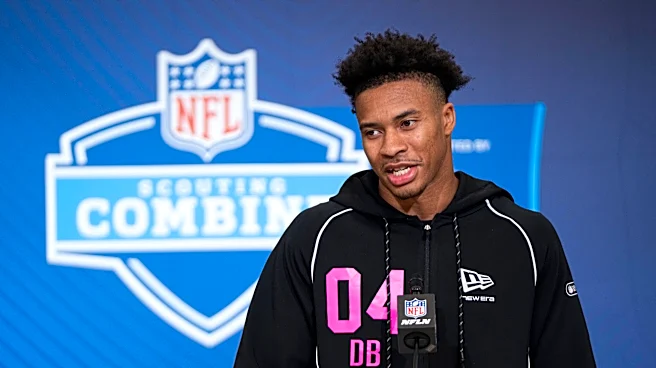
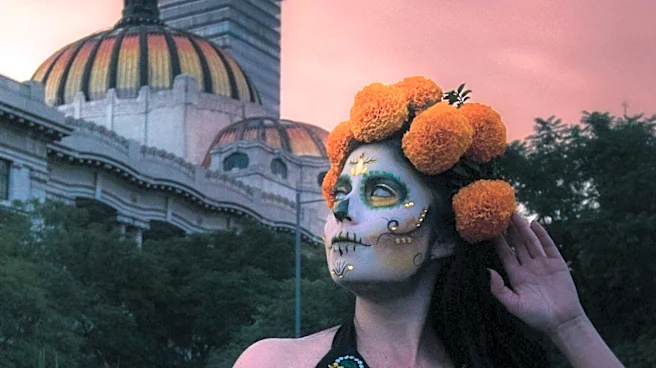
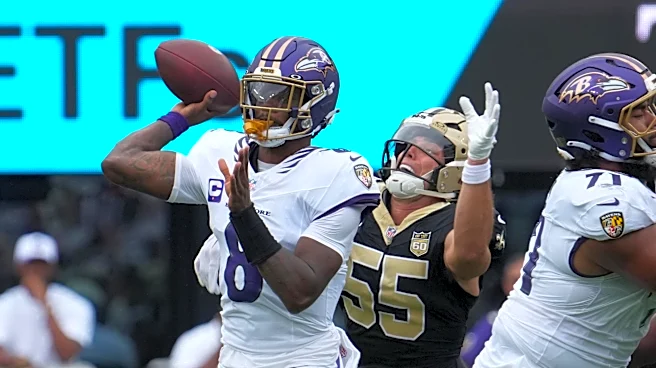
America, this approach involves leading with consumer insights and designing for growth audiences. P&G's strategy includes employee-led innovation, consumer-inspired brand experiences, and community partnerships. Initiatives like #MadeForLaUni, a back-to-school tour for college students, and Rico’s Tacos, a mobile-first micro-sitcom developed with Albertsons Media Collective, aim to connect P&G brands to meaningful family moments. The company also supports programs such as the NFL Latino Youth Honors, which recognizes outstanding high school athletes, and partners with retailers like Publix for heritage-inspired fan experiences during Hispanic Heritage Month. These efforts are driven by the understanding that U.S. Hispanic consumers represent a significant economic force, influencing culture, commerce, and household needs across the country, with a total economic impact exceeding $3 trillion.
Why It's Important?
P&G's focused engagement with the U.S. Hispanic market highlights a significant shift in corporate strategy towards culturally specific marketing and community investment. This approach is crucial for businesses seeking to tap into the substantial and growing purchasing power of Hispanic consumers, whose economic impact has surpassed $3 trillion. By investing in initiatives that resonate with Hispanic heritage and family values, P&G is not only building brand loyalty but also setting a precedent for how large corporations can authentically connect with diverse demographics. This strategy can lead to increased market share and sustained growth for P&G, while also fostering economic development and educational opportunities within Hispanic communities. The emphasis on year-round commitment, rather than seasonal campaigns, underscores a long-term vision for inclusive business practices that could influence other industries to adopt similar models, ultimately benefiting both corporations and the communities they serve.
What's Next?
P&G is expected to continue its year-round commitment to engaging U.S. Hispanic communities, moving beyond seasonal campaigns to integrate cultural authenticity into its core business practices. Future initiatives will likely build upon successful programs like #MadeForLaUni and Rico’s Tacos, potentially expanding their reach and scope. The company will likely continue to leverage employee insights and community partnerships to inform product innovation and marketing strategies. The NFL Latino Youth Honors program, presented by P&G, is set to recognize eight finalists with college grants and a trip to Super Bowl LXI Week in February 2027, offering career mentorship and national recognition. P&G's ongoing collaborations with retailers like Albertsons Media Collective and Publix are also anticipated to evolve, bringing more culturally relevant experiences and product offerings to consumers. This sustained focus indicates a long-term strategy to solidify P&G's presence and impact within the U.S. Hispanic market.
Beyond the Headlines
P&G's deep dive into culturally specific marketing for the U.S. Hispanic community reflects a broader societal recognition of demographic shifts and the economic power of diverse populations. This strategy moves beyond traditional, often superficial, multicultural marketing to a more integrated approach that values authenticity and community building. The emphasis on employee-led innovation and partnerships with trusted organizations suggests a commitment to internal diversity and external collaboration, which can foster a more inclusive corporate culture. This approach also raises questions about the ethical responsibilities of large corporations in shaping cultural narratives and supporting community development. By investing in programs that support education and youth, P&G is not just selling products but also contributing to the social fabric of these communities, potentially influencing long-term consumer behavior and brand perception. This model could encourage other companies to critically examine their own engagement with diverse groups, moving towards more meaningful and impactful relationships.