







What's Happening?
The PGA Tour has announced significant changes to its feeder system, aiming to create a more unified and meritocratic pathway for emerging golf talent. As part of these developments, Adam Scott has been selected to continue as a player-director on the PGA Tour board.
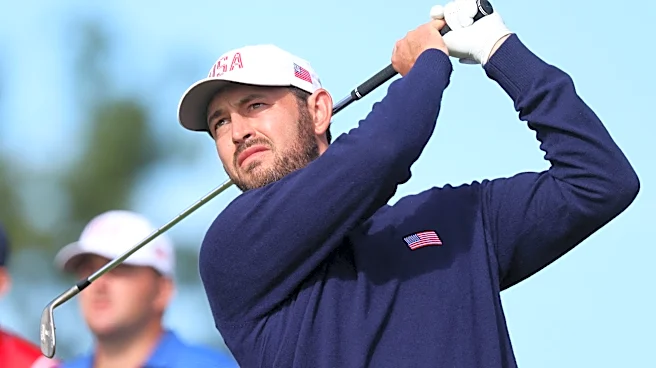
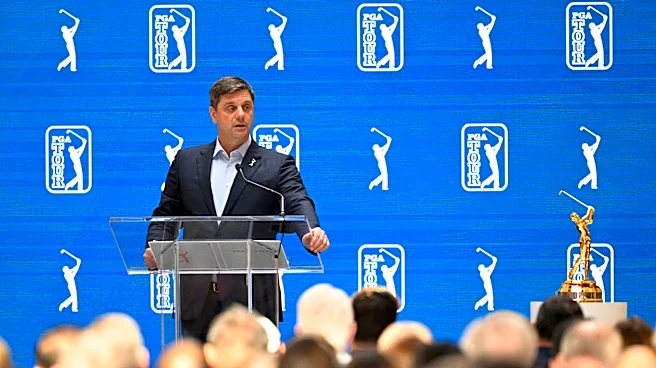
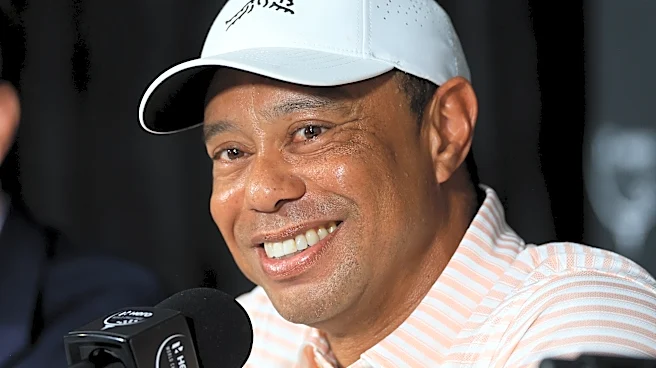
His current term is set to expire this year, and he will be replacing Patrick Cantlay, whose three-year term concludes this year. The board's decision to retain Scott comes as the Future Competition Committee, chaired by Tiger Woods and established by CEO Brian Rolapp in 2025, finalizes a new competitive model slated to begin in 2028. The PGA Tour is discontinuing PGA Tour Americas in 2028 and will instead implement a comprehensive network of PGA Tour-sanctioned events throughout the year. This new system will feature a unified priority ranking, designed to operate continuously rather than on a calendar-year basis, to better identify and promote players. The Korn Ferry Tour will now include at least 20 tournaments with $1 million purses, with the top 20 players advancing to the Challenger Series.
Why It's Important?
These changes signify a major restructuring within professional golf's developmental pipeline, aiming to enhance the identification and progression of talent. The unified priority ranking system is crucial as it seeks to create a more transparent and consistent pathway for players, potentially reducing the complexities and inconsistencies of previous systems. By increasing the purses on the Korn Ferry Tour and establishing a clear advancement structure to the Challenger Series, the PGA Tour is investing in its future talent pool, which could lead to a more competitive and engaging product for fans. The continuous ranking system, similar to world rankings, is designed to provide ongoing opportunities for players to advance based on performance, fostering a true meritocracy. This overhaul could also impact the financial landscape for developing golfers, offering more lucrative opportunities earlier in their careers and potentially attracting a wider range of athletes to professional golf.
What's Next?
The PGA Tour is expected to release more details regarding the remaining tournaments in the upper-tier Championship Series and the full schedule for the Challenger Series. PGA Tour President Tyler Dennis indicated that potential sponsors have already submitted bids for the Championship Series events, and four Challenger Series tournaments are confirmed, with plans to cover half of that tour's schedule. The transition from PGA Tour Americas to the new network of affiliate tournaments will be a key focus, with PGA Tour Americas having a 15-event schedule for 2027 before its discontinuation. The implementation of the unified priority ranking system will require clear communication and integration across all levels of the new feeder system. Stakeholders, including players, sponsors, and fans, will be closely watching how these changes are rolled out and their immediate impact on player development and competition.
Beyond the Headlines
The PGA Tour's strategic overhaul of its feeder system reflects a broader trend in professional sports to optimize talent development and ensure long-term competitiveness. By creating a more integrated and merit-based system, the PGA Tour aims to solidify its position as the premier golf tour globally, especially in a dynamic landscape with emerging alternative tours. The emphasis on a continuous ranking system and increased prize money at lower tiers could fundamentally alter how aspiring professional golfers approach their careers, potentially encouraging more players to pursue golf professionally. This move also highlights the PGA Tour's commitment to adapting its structure to meet evolving demands from players and fans, ensuring a sustainable and exciting future for the sport. The long-term success of these changes will depend on their ability to consistently produce top-tier talent and maintain competitive integrity.