
What's Happening?
Make-up artist Patrick Ta has issued a public apology following backlash over the launch of his Transition Blush product. The controversy arose when social media users speculated that Ta's product was
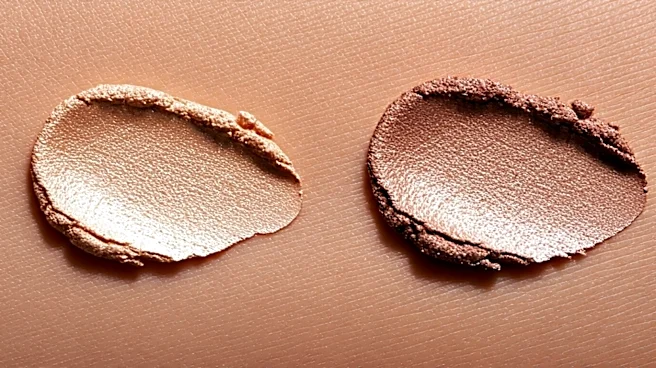
based on a technique popularized by another make-up artist, Ngozi Esther Edeme, known as Painted by Esther. Ta acknowledged the issue in an Instagram post, expressing regret for the 'hurt and frustration' caused and emphasizing that his intention was not to claim ownership over the technique. He highlighted the broader issue of recognition and visibility for Black creators in the beauty industry, acknowledging their significant influence on beauty culture. The Transition Blush collection, which includes several products, encourages a layered application technique that Ta initially claimed to have created. This claim was challenged by Painted by Esther, who alleged that Ta's team had attempted to learn the technique from her.
Why It's Important?
This incident underscores ongoing discussions about cultural appropriation and recognition within the beauty industry. The controversy highlights the challenges faced by Black creators in receiving credit for their contributions to beauty trends and techniques. Patrick Ta's apology and acknowledgment of these issues may prompt other brands to be more mindful of attribution and recognition. The situation also reflects the power of social media in holding brands accountable and amplifying the voices of marginalized creators. This could lead to increased scrutiny of how beauty brands develop and market their products, potentially influencing industry practices and consumer expectations.