

What's Happening?
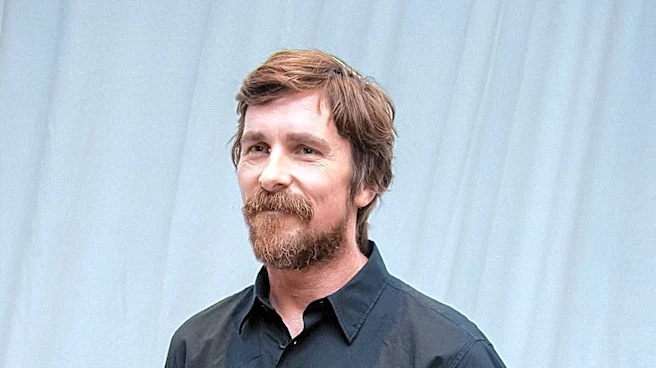
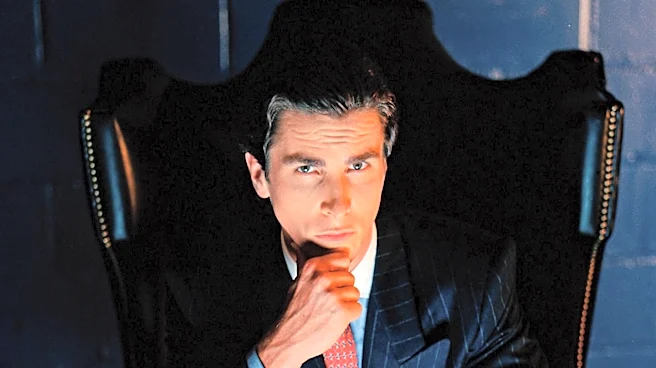
Christian Bale was 29 years old when he portrayed the character Patrick Bateman in the 2000 film 'American Psycho'. This detail often surprises audiences who commonly assume he was significantly younger for the role. The film, released over two decades
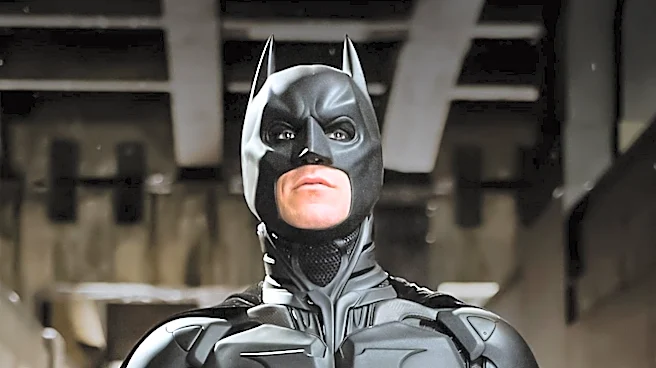
ago, continues to spark discussions regarding Bale's performance and the specific circumstances of his casting at that age. The article highlights that Bale's age was remarkably close to the character's description in Bret Easton Ellis's novel, where Bateman is noted as being 27. Bale's casting was a pivotal moment in his career, occurring between his breakthrough in 'The Talented Mr. Ripley' and his later transformation into Batman in 'The Dark Knight' trilogy. His career trajectory leading up to 'American Psycho' included roles in 'Empire of the Sun' at age 13, 'The Little Princess', 'The Postman', and 'The Talented Mr. Ripley'. The production of 'American Psycho' involved significant pre-production development and multiple delays before filming commenced in 1999, with Bale committing to the project amidst other major film offers.
Why It's Important?
The alignment of Christian Bale's age with the character's described age in 'American Psycho' contributed significantly to the authenticity and impact of his performance. At 29, Bale possessed the physical appearance of an established professional, which effectively contrasted with the character's increasingly unhinged behavior. This combination of maturity and intensity was crucial for portraying a successful investment banker masking inner turmoil. His ability to convey both a professional bearing and the character's fractured psychological state demonstrated his emotional range and physical capability for the film's demanding sequences. This casting decision showcased Bale's willingness to take on dark and challenging roles, marking a transition from a promising young talent to an established leading man. The critical acclaim for his portrayal helped solidify his reputation as a serious actor capable of carrying a major film, influencing how actors approach complex characters and contributing to the film's enduring cult status.
What's Next?
While 'American Psycho' was released over two decades ago, the ongoing discussion about Christian Bale's age and performance continues to influence film studies and actor preparation. The film's enduring popularity and Bale's iconic portrayal mean that future analyses of his career and the film itself will likely continue to reference these details. The success of his performance at that specific age serves as a case study in casting, demonstrating that while age appropriateness is important, an actor's commitment and ability to embody a character's contradictions are paramount. This legacy will continue to shape how aspiring actors and filmmakers approach character development and casting decisions for complex roles, particularly those requiring a balance of surface charm and underlying menace. The film's cultural impact ensures that Bale's portrayal of Patrick Bateman will remain a benchmark in cinematic history.
Beyond the Headlines
The discussion surrounding Christian Bale's age in 'American Psycho' delves deeper than mere trivia, highlighting the nuanced interplay between an actor's biographical details and their artistic interpretation. His age at the time of filming, being close to the character's described age, inadvertently enhanced the believability of a successful professional descending into madness, aligning with the career-driven period many experience in their late twenties and early thirties. This subtle alignment contributed to the character's authenticity, making the psychological horror more visceral. Furthermore, Bale's commitment to extreme physical and emotional transformations, which became his signature, was significantly showcased in this role. The film's enduring relevance and the continuous analysis of Bale's performance underscore how casting decisions, when meticulously aligned with character essence, can create iconic portrayals that transcend time and contribute to broader cultural and cinematic discourse.