





What's Happening?
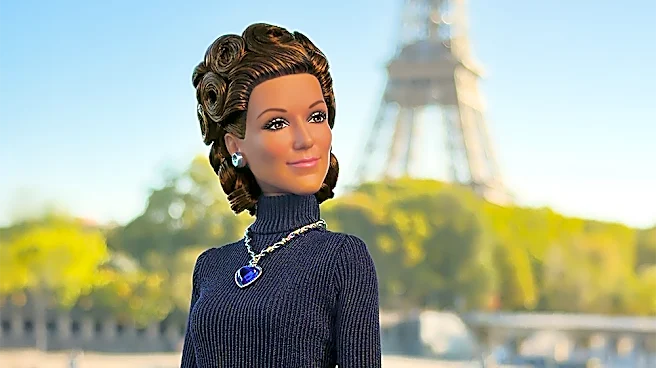
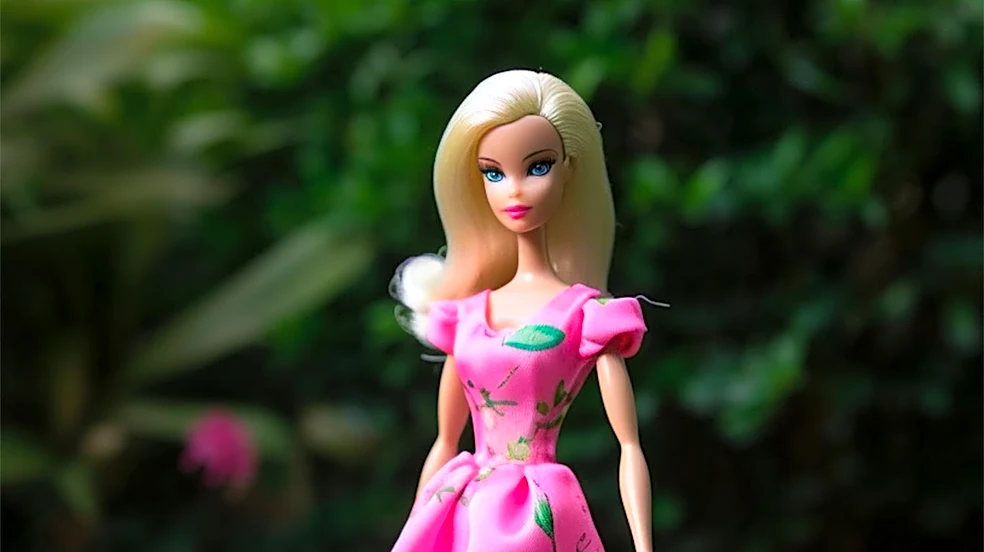
Tennis stars Jessica Pegula and Madison Keys, along with Jennifer Brady, have expressed their excitement over a new Barbie doll that pays tribute to Serena Williams' iconic 2005 Australian Open outfit. The doll immortalizes Williams' memorable look from
the tournament, which featured a striking green top, a white skirt, and knee-high white boots. This particular outfit stood out during the 2005 Australian Open, where Williams ultimately defeated Lindsay Davenport to claim her seventh Grand Slam singles title. On 'The Players Box' podcast, Pegula introduced the doll, recalling the specific details of the outfit. Keys enthusiastically stated her desire to collect all of Serena's iconic Barbie dolls, highlighting the significance of Williams' fashion choices in her on-court identity. Brady, while also appreciative, posed a practical question about changing the doll's outfit, to which Keys explained that the styling details, such as earrings and hair, were integral to each iconic look. Pegula added that the dolls are often designed specifically for the outfit, making changes difficult.
Why It's Important?
The creation of a Barbie doll honoring Serena Williams' iconic 2005 Australian Open outfit is significant for several reasons within U.S. culture and sports. Firstly, it underscores Williams' enduring legacy not just as a tennis champion but also as a fashion icon who consistently pushed boundaries and expressed her individuality on the court. This recognition by a global brand like Barbie solidifies her status as a cultural figure whose influence extends beyond sports. Secondly, the enthusiastic reaction from current tennis players like Jessica Pegula and Madison Keys highlights the profound impact Williams has had on her peers and the sport itself. It demonstrates how her style and presence inspired a generation of athletes. Thirdly, this initiative by Barbie contributes to the evolving representation of women in sports and popular culture, showcasing powerful female athletes in a way that celebrates both their athletic prowess and their personal style. It also serves as a nostalgic nod for fans who remember Williams' groundbreaking career, reinforcing her place in sports history and inspiring younger generations.
What's Next?
The positive reception of the Serena Williams Barbie doll by prominent tennis players could encourage Mattel, the maker of Barbie, to release more dolls celebrating Williams' other iconic outfits. Madison Keys explicitly expressed a desire for an entire collection, suggesting a potential market for such products. This could lead to a series of dolls that chronicle Williams' fashion evolution throughout her illustrious career, further cementing her legacy in both sports and pop culture. Such a collection would likely appeal to tennis fans, Barbie collectors, and those who admire Williams' impact. Furthermore, the success of this doll might inspire similar collaborations between Barbie and other influential female athletes, recognizing their contributions to sports and their cultural significance. This trend could lead to a broader range of diverse and inspiring role models being represented in the toy industry, reflecting the changing landscape of sports and celebrity endorsements.
Beyond the Headlines
Beyond the immediate celebration of Serena Williams' fashion and athletic achievements, the Barbie doll's release and the players' reactions touch upon deeper themes of representation, empowerment, and the intersection of sports and identity. Williams' outfits were often more than just clothing; they were statements of confidence, individuality, and sometimes, defiance against traditional norms in a predominantly conservative sport. The doll, therefore, symbolizes not just a tennis outfit but a moment in cultural history where a Black female athlete unapologetically expressed herself and dominated her field. The discussion among Pegula, Keys, and Brady about the integral nature of the accessories and styling to each look highlights how Williams crafted a complete persona, blurring the lines between athlete and artist. This recognition by Barbie and fellow athletes reinforces the idea that female athletes can be multifaceted, powerful, and stylish, challenging outdated stereotypes and inspiring a new generation to embrace their full selves, both on and off the court.