









What's Happening?
The average interest rate for a 30-year, fixed-rate conforming mortgage loan in the U.S. has decreased to 6.595%, according to the Mortgage Resource Center. This marks a slight drop from the previous day's rate of 6.616%. Similarly, the 15-year fixed-rate mortgage has also
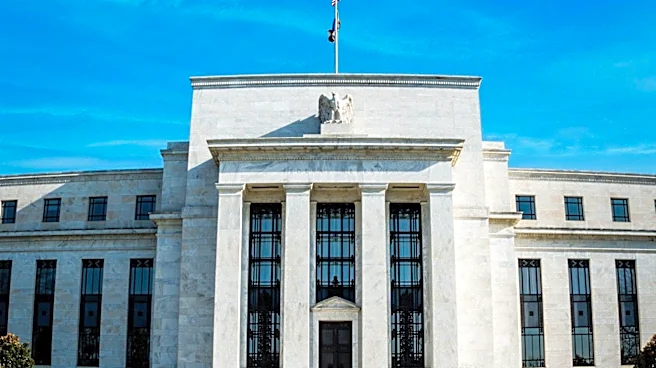
seen a decrease, now at 5.738%. The Federal Open Market Committee recently decided to keep the federal funds rate unchanged at 3.50% to 3.75%, which often influences mortgage rates. The current rates reflect a minor adjustment in the market, with various mortgage types showing slight fluctuations. For instance, the 30-year jumbo mortgage rate is now 6.741%, and the 30-year FHA loan rate has increased slightly to 5.964%.
Why It's Important?
The slight decrease in mortgage rates is significant for potential homebuyers and those looking to refinance, as it can lead to lower monthly payments and overall interest costs. The Federal Reserve's decision to maintain the federal funds rate suggests a cautious approach to economic stability, impacting lending rates across the board. This stability is crucial for the housing market, which has been experiencing fluctuations due to economic uncertainties. Lower mortgage rates can stimulate the housing market by making homeownership more affordable, potentially increasing demand and supporting home prices.
What's Next?
The Federal Open Market Committee is scheduled to meet again on July 28-29, which could lead to further adjustments in the federal funds rate and, consequently, mortgage rates. Stakeholders in the housing market, including lenders and borrowers, will be closely monitoring these developments. Any changes in the federal funds rate could influence mortgage rates, affecting decisions on home purchases and refinancing. Additionally, the ongoing economic conditions and potential policy changes will play a role in shaping the future of mortgage rates.