





What's Happening?
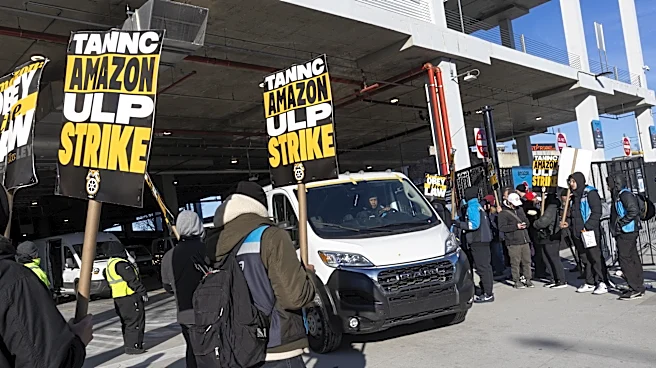
Employees of Amazon, particularly those associated with Amazon Web Services (AWS), are actively opposing the company's extensive data center expansion plans. This opposition stems from dual concerns: the potential for artificial intelligence (AI) to displace
jobs and the environmental impact of increased electricity and water consumption by these facilities. The employee group, Amazon Employees for Climate Justice (AECJ), which previously focused on climate change, has broadened its advocacy to include AI's effects on employment and the environment. Employees express worry that the AI tools they are developing could render their own jobs obsolete, with some feeling they are 'training their own replacement.' This internal dissent comes as Amazon invests heavily in AI infrastructure, with total capital spending projected to reach approximately $220 billion this year, much of which is allocated to data center expansion. The AECJ is urging local governments to halt approvals for new data centers and is leveraging a political climate that appears more favorable to data center regulation following recent U.S. midterm elections.
Why It's Important?
This internal opposition within Amazon highlights a growing tension between technological advancement, corporate growth, and employee welfare, with significant implications for the U.S. tech industry and labor market. The concerns raised by Amazon employees about AI-driven job displacement reflect a broader societal anxiety regarding automation's impact on employment across various sectors. If successful, employee-led campaigns could influence corporate strategies for AI development and data center expansion, potentially leading to more cautious or socially responsible approaches. Furthermore, the environmental concerns regarding energy and water consumption by data centers underscore the increasing scrutiny on the sustainability practices of large tech companies. This could prompt stricter regulatory frameworks at local and state levels, affecting where and how tech infrastructure is built in the U.S. The involvement of local governments and the emerging political climate suggest that the debate over data center expansion is moving beyond corporate boardrooms into the public policy arena, potentially shaping future economic development and environmental policies.
What's Next?
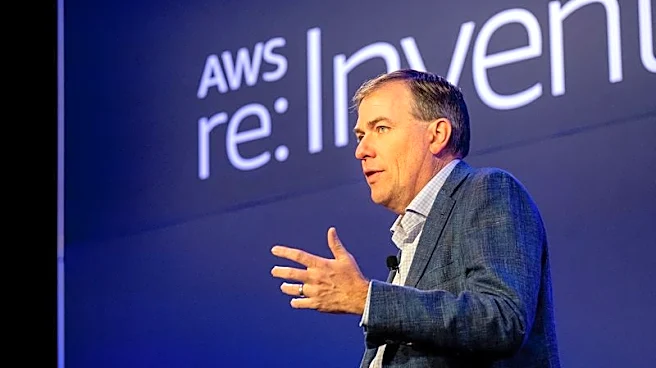
The Amazon Employees for Climate Justice (AECJ) plans to intensify its campaign against data center expansion, particularly by leveraging the outcomes of recent U.S. midterm elections where some Democratic candidates pledging tighter data center restrictions were elected. This suggests increased lobbying efforts directed at local governments and city councils to impose moratoriums or stricter regulations on new data center approvals. Amazon, in response, has already announced measures such as AWS CEO Matt Garman's commitment to invest over $1 billion in communities hosting data centers over the next five years, focusing on local power grids and water facilities, and improving water efficiency. The company has also stated it will not require nondisclosure agreements in discussions with local governments. However, employee complaints about internal dissent being stifled, including investigations and alleged threats of dismissal, indicate ongoing internal conflict. Future developments will likely involve continued advocacy from employee groups, potential legal challenges or human rights complaints, and evolving regulatory responses from local and state authorities regarding data center development and AI governance.
Beyond the Headlines
The conflict within Amazon over data center expansion and AI's impact extends beyond immediate job security and environmental concerns, touching upon deeper ethical and societal questions. The employees' fear of 'training their own replacement' highlights a fundamental ethical dilemma in AI development: the potential for technology to undermine human labor and create widespread economic disruption. This raises questions about corporate responsibility in managing technological transitions and the need for proactive strategies to retrain or reallocate workers affected by automation. Furthermore, the struggle for employees to voice dissent internally within a major tech company points to broader issues of corporate governance and employee rights in rapidly evolving industries. The environmental impact of data centers, particularly their demand for electricity and water, underscores the often-overlooked ecological footprint of the digital economy. This situation could catalyze a broader public discourse on the true cost of technological advancement and prompt a re-evaluation of sustainable growth models for the tech sector, potentially leading to new industry standards for transparency and accountability in AI development and infrastructure deployment.