








What's Happening?
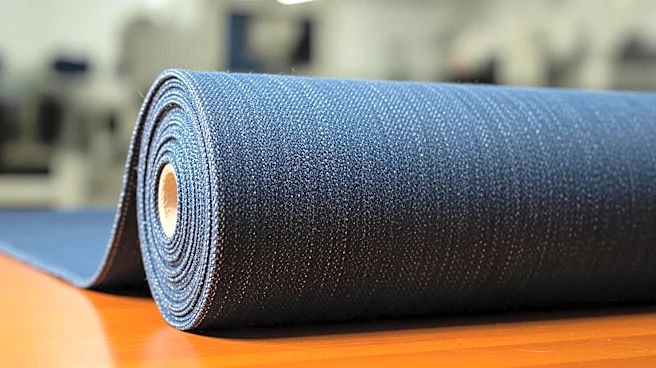
Mount Vernon Mills, one of the last remaining denim mills in the United States, is striving to maintain its operations amidst intense competition from cheaper foreign factories, particularly in Asia. Historically, the U.S. was a leading denim manufacturer,
but over the years, the industry has seen a significant decline due to the rise of cost-effective production facilities abroad. The article explores the challenges faced by Mount Vernon Mills and highlights a visit to Crescent Bahuman, a high-tech denim production facility in Pakistan, which exemplifies the competitive landscape American companies face. The story underscores the struggle of U.S. denim manufacturers to remain viable in a market dominated by large-scale, low-cost producers overseas.
Why It's Important?
The decline of the U.S. denim manufacturing industry reflects broader trends in global trade and manufacturing, where cost efficiency often trumps local production. This shift has significant implications for the U.S. economy, particularly in terms of job losses in the manufacturing sector and the erosion of domestic production capabilities. The survival of companies like Mount Vernon Mills is crucial for preserving American manufacturing heritage and sustaining local economies. Moreover, the competition from Asian megafactories highlights the challenges U.S. manufacturers face in maintaining competitiveness without compromising on quality or increasing costs. This situation also raises questions about the sustainability and ethical considerations of global supply chains.
What's Next?
For Mount Vernon Mills and similar U.S. manufacturers, the path forward involves finding innovative ways to compete, such as investing in technology, improving efficiency, and potentially exploring niche markets that value 'Made in America' products. Policymakers might also consider measures to support domestic manufacturing, such as tariffs, subsidies, or incentives for companies that keep production local. The broader industry may see shifts towards more sustainable practices as consumers become increasingly aware of the environmental and social impacts of their purchasing decisions. The future of U.S. denim manufacturing will likely depend on a combination of strategic business decisions and supportive public policies.