



What's Happening?
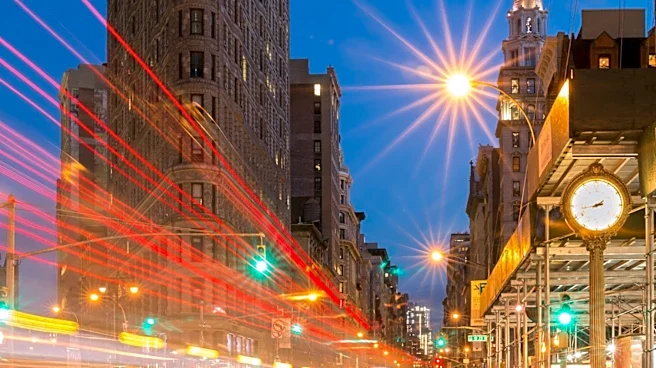
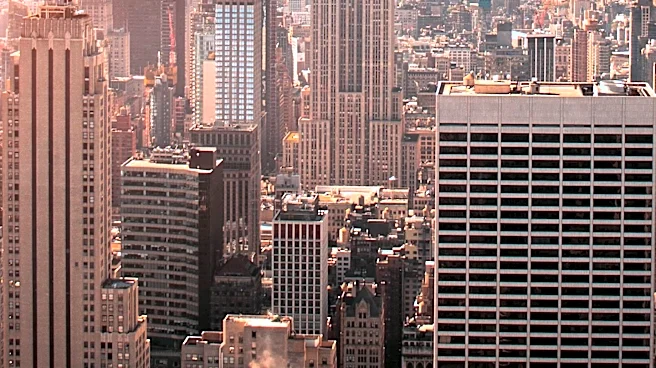
The Flatiron Building, a historic New York City landmark, is nearing a complete sellout of its residential units following its conversion from commercial office space. Out of 22 units publicly listed for sale, only four remain unsold, indicating an 82%
absorption rate. This rapid sales pace has surprised brokers in the luxury new development market. The building recently topped Olshan Realty’s weekly contract report for the second consecutive week, with a four-bedroom unit spanning 4,626 square feet going into contract for an asking price of $23.95 million. This marks the second time in three weeks that a unit in the Flatiron Building has claimed the top spot in the report. The 22-story tower, originally built in 1902, spent over a century as commercial space before its last major tenant, Macmillan Publishing, moved out in 2019. The conversion project, led by existing owners in partnership with the Brodsky Organization, has transformed the iconic structure into luxury residences with modern amenities.
Why It's Important?
The rapid sellout of the Flatiron Building's residential units underscores the enduring appeal of iconic historical properties in the luxury real estate market, particularly in New York City. This trend highlights a strong demand among wealthy buyers for unique, historically significant residences that offer both prestige and modern amenities. The success of this conversion project could set a precedent for other historical commercial buildings in major U.S. cities, encouraging similar adaptive reuse initiatives. It also demonstrates the financial viability of investing in complex and high-profile renovations, even for structures not originally designed for residential living. The high prices commanded by these units, ranging from just under $11 million to $58.5 million for the penthouse, reflect the robust health of the ultra-luxury segment of the U.S. real estate market, attracting significant capital investment and contributing to the city's tax base. The project's success also provides a boost to the local economy through construction jobs and ongoing property management and service needs.
What's Next?
Residents are expected to begin moving into their new apartments in the Flatiron Building this fall. The full suite of luxury amenities, including a 60-foot lap pool, fitness center, sauna, cold plunge pool, billiards room, and residents’ lounge, is slated to open in early 2027. Construction crews are currently focused on replacing approximately 1,000 windows to landmark preservation specifications and installing the building’s first-ever exterior lighting scheme, both requiring extensive approvals due to the Flatiron’s protected status. The remaining four unsold units are likely to be acquired quickly given the current sales momentum. The successful completion and occupancy of this project will serve as a significant case study for future large-scale historical building conversions in urban centers across the U.S., potentially influencing urban planning and development strategies for preserving and repurposing architectural heritage.
Beyond the Headlines
The conversion of the Flatiron Building into luxury residences represents more than just a real estate transaction; it signifies a broader cultural and architectural shift in how historical urban landmarks are perceived and utilized. For over a century, the Flatiron Building was a symbol of New York City's commercial prowess. Its transformation into residential space reflects a changing urban landscape where prime commercial real estate is being reimagined to meet evolving lifestyle demands, particularly for high-net-worth individuals seeking unique living experiences. This project also highlights the intricate balance between historical preservation and modern development, as developers navigate stringent landmark regulations while integrating contemporary luxuries. The decision to tap Studio Sofield for interiors, reworking the building's awkward angles, underscores the importance of design innovation in making such conversions viable and desirable. This trend could lead to a re-evaluation of other underutilized historical commercial properties, potentially revitalizing urban cores and offering new models for sustainable development that honor a city's past while embracing its future.