




What's Happening?
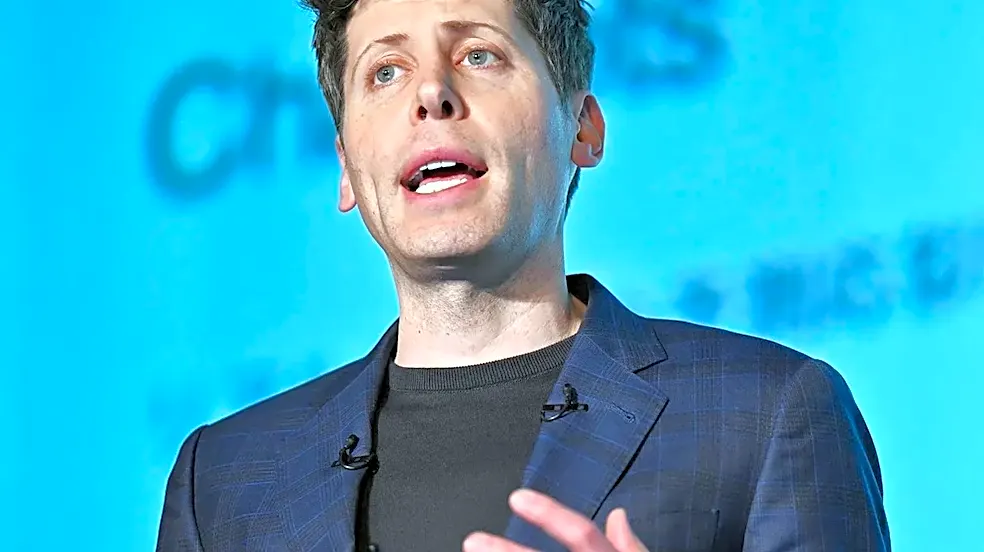
OpenAI CEO Sam Altman believes that artificial intelligence will not render software developers obsolete. Instead, he argues that AI-powered development will likely increase the demand for coding skills by making software creation easier and more accessible.
Altman suggests that as software becomes simpler to develop, businesses will be incentivized to invest in more products and services, thereby creating additional work for programmers. Developers could leverage AI to handle routine or time-consuming aspects of coding, allowing them to undertake more complex or previously cost-prohibitive projects. Despite this optimistic outlook, concerns persist due to ongoing layoffs at major technology companies like Meta, Oracle, Amazon, and Microsoft, which raise questions about the overall impact of AI on employment. The debate centers on whether AI will generate enough new opportunities to offset the jobs it might displace.
Why It's Important?
Altman's perspective offers a counter-narrative to widespread fears about AI-driven job displacement in the tech sector. If his prediction holds true, it implies a significant shift in the role of software developers, moving from manual coding to higher-level tasks such as system design, AI output review, and problem-solving. This could lead to a more strategic and creative role for human programmers, enhancing productivity and innovation across industries. For businesses, easier software development could unlock new markets and efficiencies, driving economic growth. However, the ongoing tech layoffs present a complex picture, suggesting that while AI might create new roles, it could also contribute to restructuring and cost-cutting measures. The outcome will significantly impact educational institutions, which will need to adapt curricula to prepare future workforces for collaboration with AI rather than competition against it. The debate also highlights the broader societal challenge of managing technological transitions to ensure equitable benefits and minimize disruption.
What's Next?
In the short term, the tech industry will likely see continued integration of AI tools into software development workflows, leading to increased efficiency and potentially faster product cycles. Educational institutions and professional development programs will need to adapt quickly, focusing on skills like AI-assisted development, prompt engineering, system architecture, and ethical AI deployment. Businesses may begin to explore new software-driven initiatives that were previously unfeasible due to cost or complexity, potentially creating new market segments. However, the trend of layoffs in major tech companies will continue to be closely watched, as it will provide crucial data on whether AI truly creates more jobs than it displaces. Policymakers may also begin to consider frameworks for workforce retraining and support to help workers transition into new roles created by AI, or to mitigate the impact on those whose jobs are automated. The long-term outlook will depend on the pace of AI advancement and the ability of the economy to adapt to these technological shifts.
Beyond the Headlines
The discussion around AI and coding jobs touches upon a deeper societal transformation regarding the nature of work itself. If AI handles routine tasks, human labor may shift towards roles requiring uniquely human attributes like creativity, critical thinking, emotional intelligence, and complex problem-solving. This could lead to a re-evaluation of educational priorities, emphasizing liberal arts and interdisciplinary studies alongside technical skills. Furthermore, the increased ease of software development could democratize technology creation, allowing smaller businesses and individuals to build sophisticated applications, potentially disrupting established tech giants. However, it also raises questions about the digital divide and access to these powerful AI tools, potentially exacerbating inequalities if not managed carefully. The ethical implications of AI-generated code, including potential biases or security vulnerabilities introduced by AI, will also become a critical area of concern, requiring new standards for auditing and validation. Ultimately, the future of work in an AI-driven world will depend on how societies adapt to these profound technological shifts, balancing innovation with social equity and human well-being.