








What's Happening?
The Clarity Act, a significant piece of legislation aimed at providing regulatory clarity for the cryptocurrency market, was not signed into law by the anticipated date of July 4. White House advisor Patrick Witt had previously expressed hopes for the bill's
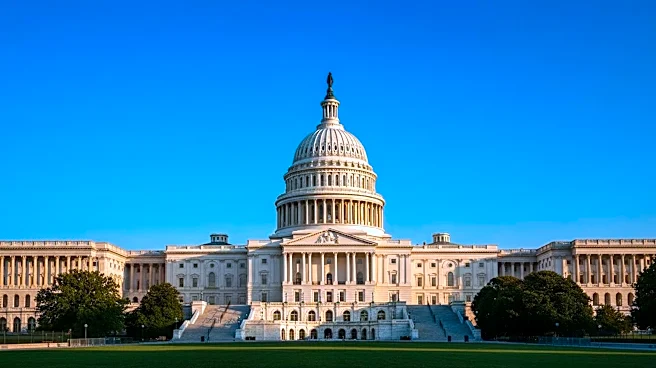
passage by this date. However, the House of Representatives has encountered resistance in advancing several agendas, including the Clarity Act, raising concerns about legislative inefficiency. This delay has heightened market anxieties, as the bill is seen as crucial for establishing a clear regulatory framework for cryptocurrencies. The market now views August 7, the last working day before the Senate's summer recess, as a pivotal moment for the bill's advancement.
Why It's Important?
The delay in passing the Clarity Act underscores the challenges faced by the U.S. legislative system in addressing the rapidly evolving cryptocurrency market. The lack of regulatory clarity can lead to increased market volatility and uncertainty, potentially hindering the growth and innovation within the crypto industry. For stakeholders, including investors and crypto companies, the passage of the Clarity Act is crucial for establishing a stable and predictable regulatory environment. This legislation is also seen as a necessary step for the U.S. to maintain its competitive edge in the global crypto market, especially as other countries, like China, continue to advance their own digital currency initiatives.
What's Next?
With August 7 identified as a critical date, stakeholders will be closely monitoring the actions of the Senate and the House of Representatives. The potential passage of the Clarity Act could lead to significant shifts in the regulatory landscape, impacting how cryptocurrencies are traded and managed in the U.S. If the bill is not advanced by this date, it could face further delays, exacerbating market uncertainties. Political leaders, industry advocates, and investors are likely to increase their lobbying efforts to ensure the bill's progress, emphasizing its importance for the future of the U.S. crypto market.