



What's Happening?
Athleisure, a fashion trend blending athletic and leisure wear, is gaining significant traction, moving beyond casual wear to influence high-fashion collections. This style emphasizes comfort while incorporating sophisticated elements, as evidenced by
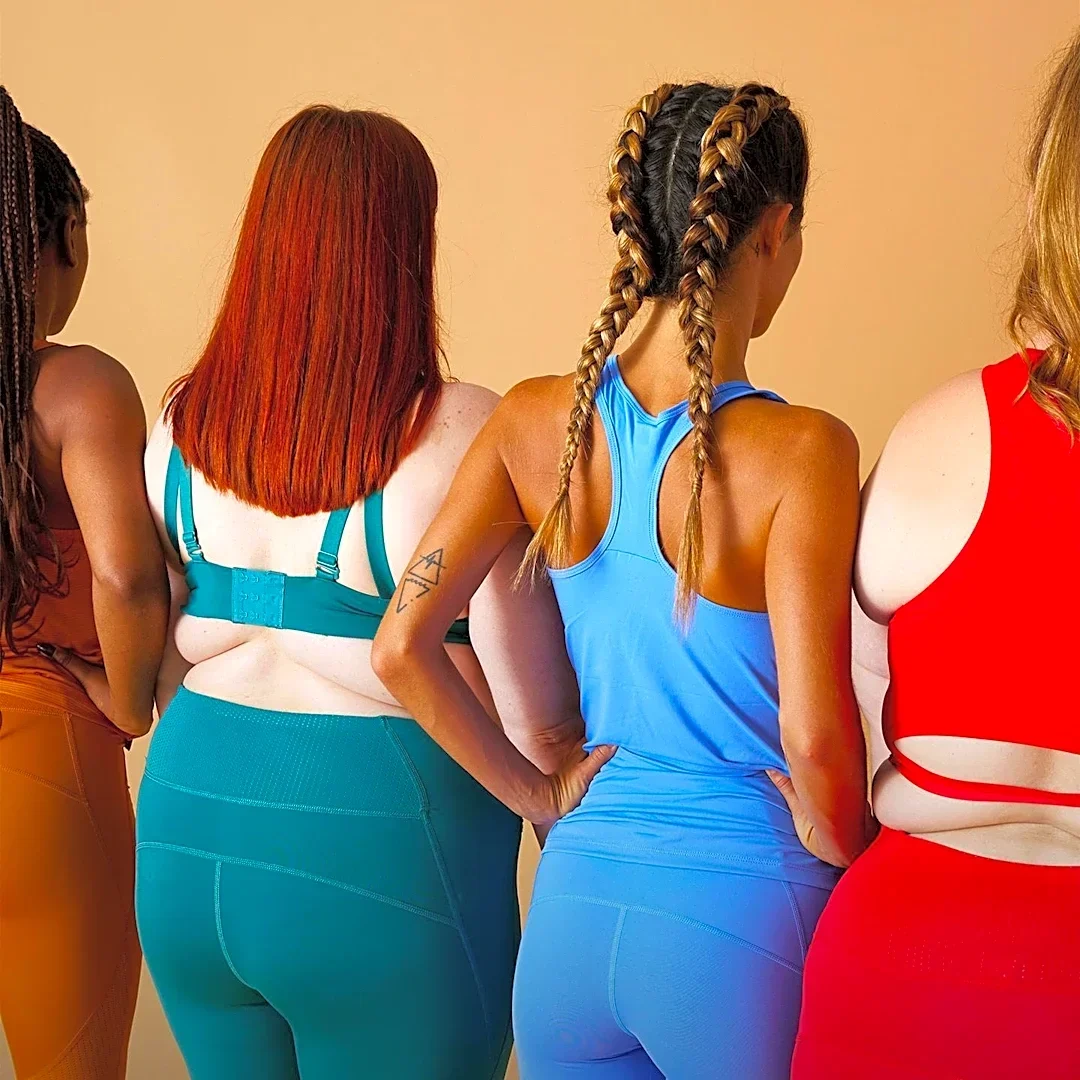
its appearance on Chanel's runways. The trend is characterized by the integration of sportswear into everyday urban environments, with designers focusing on balancing athletic pieces with more structured garments. Collaborations, such as R|Elan™ and HUEMN at Lakme Fashion Week, are showcasing innovative approaches to athleisure by combining traditional craftsmanship with advanced material science. The core idea is to create versatile clothing that is suitable for both active pursuits and daily activities, reflecting a shift towards more comfortable yet stylish attire.
Why It's Important?
The rise of athleisure signifies a notable shift in consumer preferences and the broader fashion industry. This trend impacts U.S. industries by driving demand for versatile, comfortable, and stylish clothing that blurs the lines between activewear and everyday fashion. Apparel companies, from luxury brands to mass-market retailers, are adapting their collections to meet this demand, leading to increased innovation in fabric technology and design. The emphasis on comfort and functionality, combined with aesthetic appeal, influences manufacturing processes and supply chains. Consumers stand to gain from a wider array of clothing options that offer both practicality and style, while traditional fashion segments may need to evolve to remain competitive. The trend also highlights a cultural shift towards more relaxed dress codes in various settings, including professional environments, which could have long-term implications for the fashion market.
What's Next?
The athleisure trend is expected to continue its growth and evolution, with further integration into various fashion segments. Designers will likely explore more advanced material science to enhance both the performance and aesthetic qualities of athleisure wear. We can anticipate more collaborations between sportswear brands and high-fashion houses, leading to innovative collections that push the boundaries of this style. Retailers will continue to expand their athleisure offerings, catering to a diverse consumer base that values comfort and versatility. The trend may also influence the development of new product categories that combine elements of activewear, casual wear, and formal attire. Additionally, as the trend matures, there may be a greater focus on sustainable and ethically produced athleisure wear, reflecting broader consumer concerns.
Beyond the Headlines
Beyond its immediate impact on fashion and retail, the athleisure trend reflects deeper cultural and societal shifts. It signifies a growing emphasis on well-being, comfort, and a more active lifestyle. The blurring of lines between work, leisure, and fitness activities has led to a demand for clothing that can seamlessly transition between these different aspects of life. Ethically, the trend raises questions about consumption patterns and the environmental impact of fast fashion, particularly as new materials and production methods are introduced. Culturally, athleisure challenges traditional notions of formality and appropriate attire, contributing to a more relaxed and individualized approach to dressing. This evolution could lead to long-term changes in dress codes across various sectors, influencing how individuals present themselves in both personal and professional contexts.