




What's Happening?
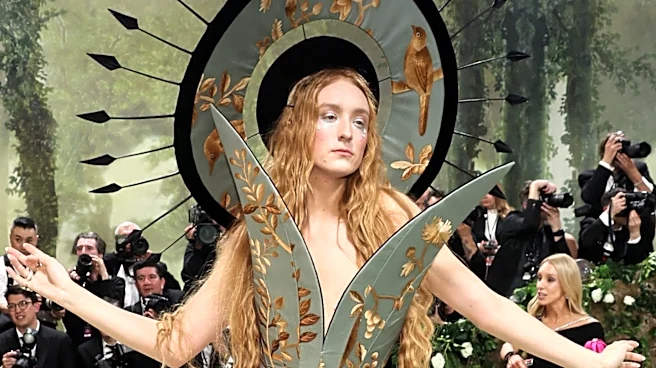
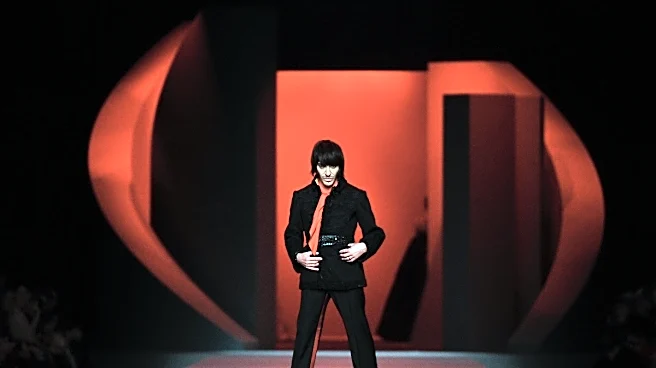
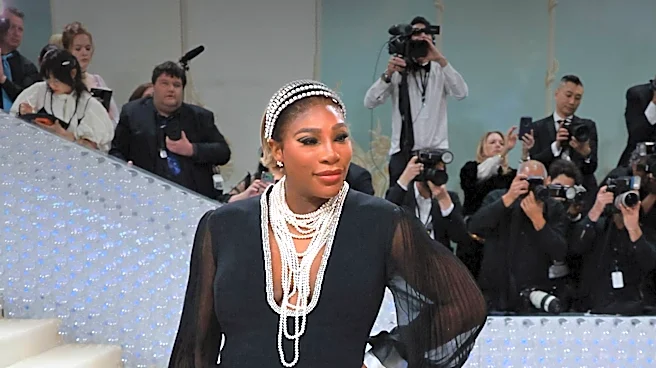
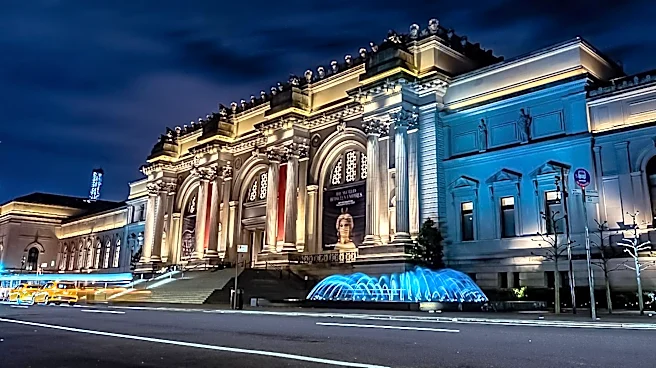
The Metropolitan Museum of Art has announced that its next fashion exhibition will focus on John Galliano, titled 'John Galliano: Horizons'. The exhibition is set to open on May 9, 2027, following the annual Met Gala. Galliano becomes the third designer
to receive a solo Costume Institute exhibition while still alive. The exhibition has been in development since 2024, despite initial concerns about backlash due to Galliano's past controversies involving racist and antisemitic remarks. The exhibition aims to provide a comprehensive view of Galliano's influence on fashion while addressing his controversial history. The Met's decision to focus on Galliano comes amid a broader trend of nostalgia in fashion, with many designers and stylists revisiting past styles.
Why It's Important?
The exhibition highlights the ongoing influence of nostalgia in the fashion industry, reflecting a broader cultural trend of revisiting past styles and eras. Galliano's work is highly regarded for its creativity and impact on fashion history, making the exhibition significant for fashion enthusiasts and historians. However, the decision to feature Galliano also raises ethical questions about celebrating individuals with controversial pasts. The exhibition's timing, amid rising antisemitism, adds to the complexity of its reception. It underscores the fashion industry's challenge in balancing artistic recognition with social responsibility.
What's Next?
The exhibition is expected to generate significant public interest and debate, particularly regarding Galliano's past and the fashion industry's handling of controversial figures. The Met has promised to address Galliano's history within the exhibition, aiming to provide context and allow visitors to form informed opinions. The fashion industry and cultural commentators will likely scrutinize the exhibition's impact on Galliano's legacy and the broader conversation about accountability in the arts.
Beyond the Headlines
The exhibition's focus on nostalgia may reflect a societal longing for the past amid contemporary challenges. This trend could influence future fashion directions, potentially stalling innovation as designers look backward rather than forward. The exhibition also raises questions about the role of cultural institutions in shaping public discourse and the ethics of celebrating artists with problematic histories.