









What's Happening?
Dermatologists are highlighting a range of non-surgical treatments to address aging concerns specific to the neck area. The skin on the neck is thinner and more delicate than other parts of the body, making it prone to wrinkling and sagging. Factors such
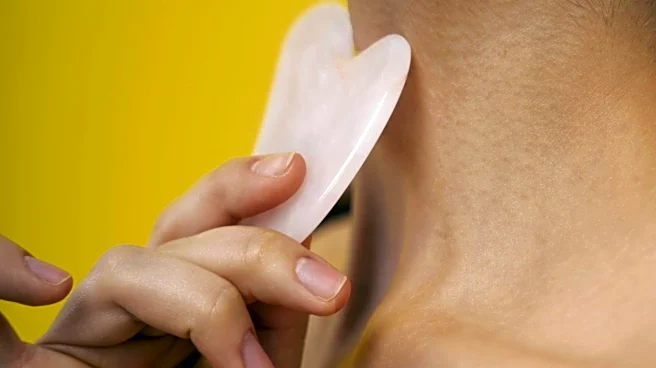
as fewer oil glands and strong neck muscles contribute to these aging signs. Lifestyle habits, including inadequate skincare application and frequent phone use, exacerbate these issues. Dermatologists recommend daily SPF application and extending facial skincare routines to the neck. They also suggest using retinoids cautiously due to the neck's sensitivity. High-tech at-home devices like microcurrent tools and LED light therapy are recommended for stimulating collagen and tightening the skin. In-office treatments such as Sofwave, radiofrequency microneedling, and neurotoxin injections are also effective for addressing laxity and wrinkles.
Why It's Important?
The focus on non-surgical neck treatments is significant as it offers individuals less invasive options to maintain a youthful appearance. The neck is often overlooked in skincare routines, yet it is susceptible to aging signs that can affect overall appearance. By adopting these dermatologist-recommended practices, individuals can potentially delay or reduce the need for surgical interventions. This approach also highlights the importance of comprehensive skincare that includes often-neglected areas like the neck. The availability of at-home devices and professional treatments provides flexibility and accessibility for those seeking to address aging concerns without surgery.
What's Next?
As awareness of neck aging increases, it is likely that more individuals will incorporate neck-specific treatments into their skincare routines. Dermatologists may continue to develop and recommend new products and technologies that target this area. The beauty industry could see a rise in demand for neck-focused skincare products and devices. Additionally, as technology advances, more effective and user-friendly at-home treatments may become available, further empowering individuals to manage aging concerns independently.